
Mogadishu — Somalia’s Council of Ministers has approved sweeping amendments to the country’s electoral and political parties laws, introducing a closed-list system for parliamentary elections and requiring political organizations to secure at least 10 percent of the vote in federal-level elections to become fully recognized national parties.
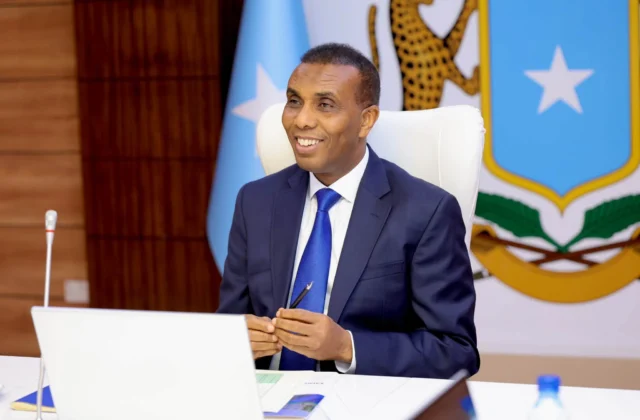
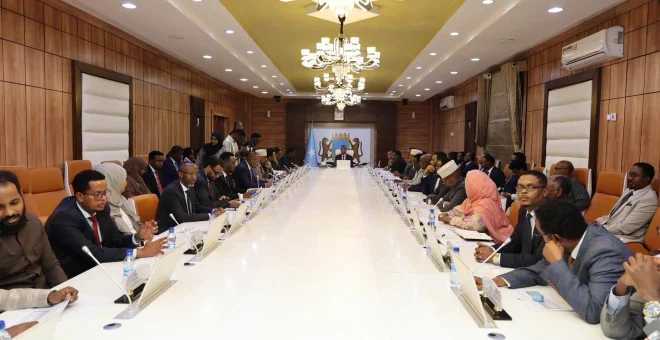
The measures were approved Tuesday during an extraordinary meeting of the Council of Ministers chaired by Prime Minister Hamza Abdi Barre, as the government accelerates plans to reform the electoral system ahead of the general elections scheduled for 2027.
An official government statement said the council approved amendments to 23 provisions of the National Electoral Law and eight provisions of the Law on Political Organizations and Parties, with the aim of aligning both laws with the revised Federal Constitution.
“These amendments are intended to facilitate the implementation of the Constitution, as these laws were enacted before the Constitution was adopted and now need to be brought into line with its provisions,” the government statement said.
Under the new law, Somali citizens will directly elect local councils, the parliaments of federal member states and members of both houses of the Federal Parliament of Somalia.
Those elected bodies will in turn choose various leaders of the administrations, including district chairpersons and the president of the republic.
The amendments also introduce an electoral system based on closed lists of parliamentary candidates, requiring political parties and organizations to submit pre-arranged lists of candidates.
Under the closed-list system, voters will not choose individual candidates but will instead vote for a political party or organization. Parliamentary seats will be allocated according to the votes won by each organization and the order of candidates on the previously submitted list.
The Council of Ministers also approved a new requirement added to the Law on Political Organizations and Parties, stipulating that any political organization must secure at least 10 percent of the total vote in a federal election to receive recognition as a national political party.
The government described the measure as a way to guide and regulate how registered political organizations can transition into national parties with full legal status.
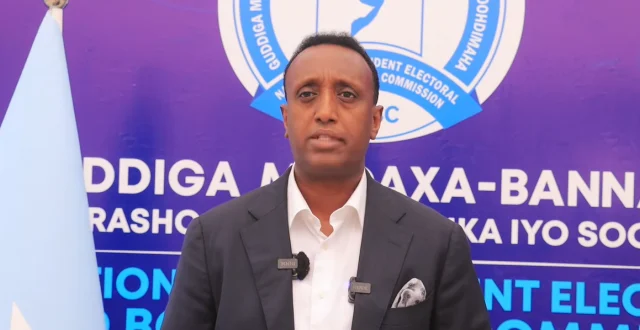
The approved provisions also authorize the National Independent Electoral and Boundaries Commission (NIEBC) to establish the technical systems and procedures necessary for voter registration and the conduct of elections.
“These measures will facilitate the full participation of citizens in elections while paving the way for a legal process to implement the provisions of the country’s Constitution,” the statement said.
The government’s decision comes as Somalia prepares for parliamentary elections scheduled for April 15, 2027, and presidential elections set for May 15, according to the timetable issued by the electoral commission.
The electoral reforms come amid an ongoing and deepening dispute between the federal government and the opposition over constitutional amendments, the electoral system and the powers of central government institutions.
Opposition alliances and the leaders of Puntland and Jubaland have openly opposed the constitutional amendment measures undertaken by the federal government, arguing that the decisions were made without broad political consultation and an inclusive agreement.
For its part, the federal government maintains that constitutional reform is the legal foundation for implementing the revised electoral plan and taking the country toward free elections in 2027.
The electoral commission is continuing registration activities despite the political challenges, and recently extended the deadline for political organizations to submit their documents to Nov. 30, from the original deadline of Nov. 22.
The Council of Ministers’ approval of the amendments represents an important step toward implementing the new electoral system being pursued by the government.
However, the changes have not yet formally become law, as they still must go through the required parliamentary process for a vote.