
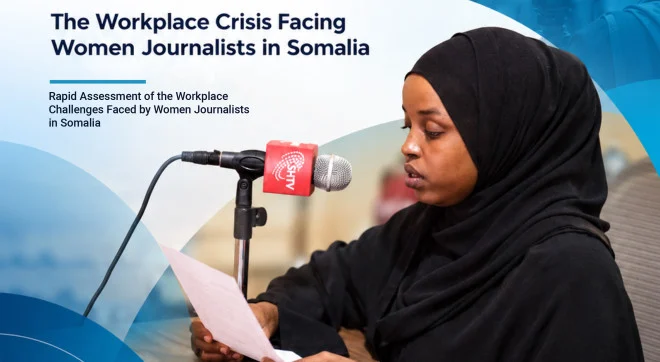
Mogadishu (AX) – Only 10 percent of women journalists surveyed in Somalia feel safe in their workplaces, according to a new report by the National Union of Somali Journalists (NUSOJ), which has exposed widespread harassment, job insecurity and discrimination against women in the country’s media industry.
The report, titled Unsafe, Underpaid and Unheard: The Workplace Crisis Facing Women Journalists in Somalia, was released on Monday, Nov. 2, to mark the International Day to End Impunity for Crimes against Journalists.
- Advertisement -
The data was collected through questionnaires completed by 127 female journalists, focus group discussions with 41 women journalists and consultations with 12 media owners and managers. The study examined working conditions in Mogadishu and Somalia’s six federal member states.
The findings revealed that 52% of the journalists surveyed feel seriously fearful and unsafe in their workplaces. Nearly half, or 48%, said they had experienced harassment in the course of their work, while 45.7% chose not to answer the question. The women said the abuses occurred in newsrooms, during field reporting and online.
The report also noted that persistent job losses and irregular salary payments are widespread problems. Only 49.6% of the women surveyed have written employment contracts, while just 26% work under full contracts. More than half of the journalists reported regular salary delays, sporadic payments or working without receiving any pay at all.
Opportunities for professional advancement remain severely limited. Only 11% believe they have opportunities equal to those of men to progress, while 46.5% said they had been denied promotions or important assignments because of gender discrimination. In addition, nearly two-thirds (63.8%) confirmed that they had never received any workplace training.
“Women journalists share the challenges faced by their male colleagues, yet they face even greater risks without any protection in their workplaces. Harassment, withholding wages, retaliation and discrimination are violations of rights and reflect employer negligence,” said NUSOJ Secretary-General Omar Faruk Osman.
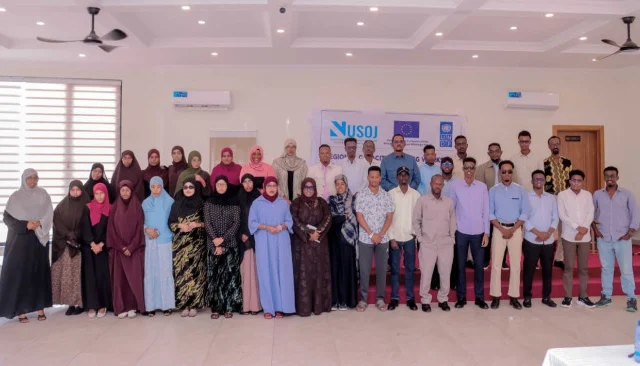
NUSOJ called on media organizations to provide employees with written contracts, pay salaries on time, establish independent mechanisms for resolving complaints and ensure that women have equal access to training and leadership opportunities. The report was prepared by NUSOJ with support from the United Nations Development Programme (UNDP) and funded by the European Union (EU).
According to the World Press Freedom Index, Somalia ranks 126th out of 180 countries. Journalists in the country operate in an extremely unsafe environment, according to Reporters Without Borders, which publishes the index. With more than 50 journalists killed in the country since 2010, Somalia remains one of the most dangerous countries in Africa for media professionals to work in.