1991: When a precious opportunity to save the nation turned into devastation and ruin
At the end of 1990 and the beginning of 1991, when the USC militia entered Mogadishu, it took control of an intact capital filled with functioning government institutions, impressive buildings, economic services and the key symbols demonstrating the existence of the Somali state.
- Advertisement -
At that time, the group stood at a crossroads with two difficult choices before it: to take power responsibly by establishing a system more dignified than the one it had overthrown, thereby saving the people and the country; or to turn the struggle for power into a civil war that would uproot the foundations of statehood.
Instead, the situation ended in a national catastrophe whose devastating effects are still being felt. Government institutions disappeared entirely, public assets were looted, the economic infrastructure collapsed, and the Somali people were subjected to brutal killings, forced displacement, looting and widespread abuses.
The rule of law vanished, and the identity and dignity of the Somali nation suffered severe damage. Yet the question that history will never stop asking is: Why was no effort made to save the nation over which they were competing to rule?
The leaders seeking power had a golden opportunity to lead the country and demonstrate that they were better than the system they opposed. Unfortunately, the war described as a liberation struggle turned into a civil conflict that inflicted immense harm on the very population it claimed to serve.
That step became one of the gravest leadership failures in the modern history of Somalia.
Hassan Sheikh Mohamud: A leader facing a difficult historic test
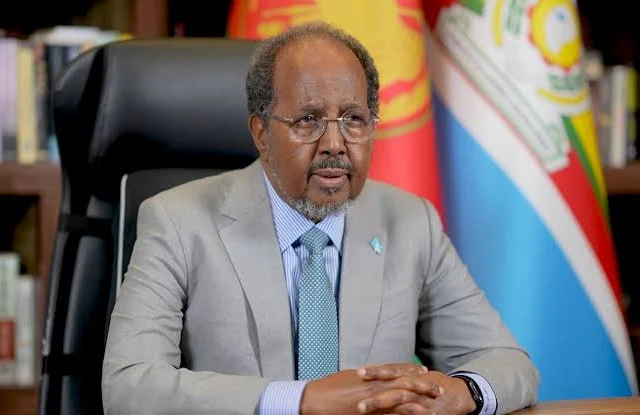
President Hassan Sheikh Mohamud belongs to the generation that witnessed the collapse of Somalia’s statehood and deeply understands the importance of protecting and preserving national sovereignty.
He was expected to learn from the lessons of that dark history, focusing on genuine reconciliation, the establishment of inclusive state institutions and the restoration of the Somali people’s trust.
However, given the political disagreements, constitutional disputes, growing divisions among political leaders and concerns about the country’s unity, a weighty question has emerged:
Will President Hassan Sheikh Mohamud be remembered as the leader who helped save the nation, or will history record him as the president during whose tenure Somalia’s statehood continued to weaken?
This question will not be answered through political statements and attractive promises, but will instead be measured by the genuine legacy he leaves to the people.
Statehood is not a seat, power or personal interests
It is essential for every Somali president to understand that the presidency is not private property, unlimited power or an opportunity to suppress people whose views differ from those of the government.
The presidency is a national responsibility far greater than the individual who holds office, the party to which he belongs or the political group surrounding him.
It is deeply concerning when the country’s leadership is accused of concentrating all power in a few hands, undermining the political agreements of the people or placing personal interests ahead of the public good.
Similarly, allegations relating to corruption, the abuse of public assets and the absence of genuine accountability must be addressed through justice, transparency and independent investigations.
A nation is not built through intimidation, protected by dividing its people or governed through arrogance and factional interests; rather, nationhood rests on justice, mutual trust, unity and leadership guided by patriotic responsibility.
Somalia’s national dignity and the honor of genuine leadership
Somalia today needs leadership that restores public trust, the dignity of governance and the country’s standing on the international stage.
The honor of the presidency does not depend on photographs with foreign leaders, frequent overseas trips or the welcoming protocol at international conferences.
True honor lies in a leader’s ability to unite his country, care for his people and protect their rights while defending the nation’s common interests and refusing to surrender its sovereign decision-making.
A president who fails to earn the trust of his people will find it extremely difficult to secure lasting national standing and respect in the international community.
A final warning: Somalia cannot endure another collapse
For more than three decades, Somalia has struggled with deep destruction, civil conflict, widespread displacement, poverty and weak government institutions.
Entire generations have grown up in a country where they have not experienced fully functioning statehood. Millions of Somalis still hope for lasting peace, justice, economic opportunities and a future they can trust.
It is painful that the leaders expected to heal the nation’s wounds sometimes become the very people fueling the conflicts and divisions of which the public has grown weary.
In 1991, all national institutions had collapsed; the danger today, however, is the destruction of the trust and hope invested in rebuilding the nation.
If the lessons of the past have been learned, it is clear that destroying statehood is easy, while rebuilding it takes several generations, countless lives and immeasurable resources.
Conclusion: History neither forgets nor forgives failed leadership
Somalia does not need a leader focused on remaining in office for a long time. It needs leadership that understands that saving the nation is greater than any political victory achieved by an individual or a particular faction.
Responsibility for this difficult period does not rest with the president alone. It is shared by the political leadership at the federal level and that of the member states, as well as by anyone who places personal interests ahead of the country’s common good.
Ultimately, unless genuine change rooted in dialogue, justice, national agreement and political responsibility is pursued urgently, the Somali people wherever they live will bear the consequences of poor leadership.
History will record equally those who destroyed Somalia, those who were given the opportunity to save it but neglected that duty, and everyone who placed personal interests ahead of the survival of their nation.
The question facing the nation today is not only who will lead the country tomorrow. The greater question is: What kind of Somalia will exist tomorrow, and who will bear responsibility for its future?
Praise be to God, Abdirisak Ataash