From Libya to Somalia: Türkiye’s Military Role Raises Questions Over Consent and Accountability
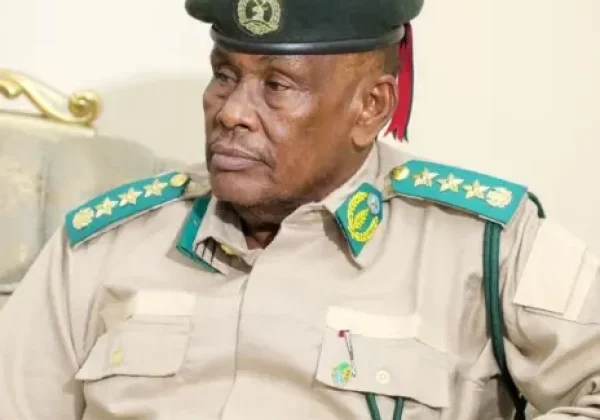
MOGADISHU, Somalia — Türkiye’s growing military footprint in Somalia is facing renewed scrutiny after accusations that Turkish aircraft took part in an attack on the Doolow residence of General Mahad Abdirahman Aden “Shub,” a former senior security commander who has opposed Villa Somalia’s political course.
- Advertisement -
Jubaland formally accused Türkiye and Somalia’s federal authorities of carrying out the September 3–4 strike. Ankara has not claimed responsibility, while no independently verified evidence has publicly established which aircraft were involved. General Shub survived the attack.
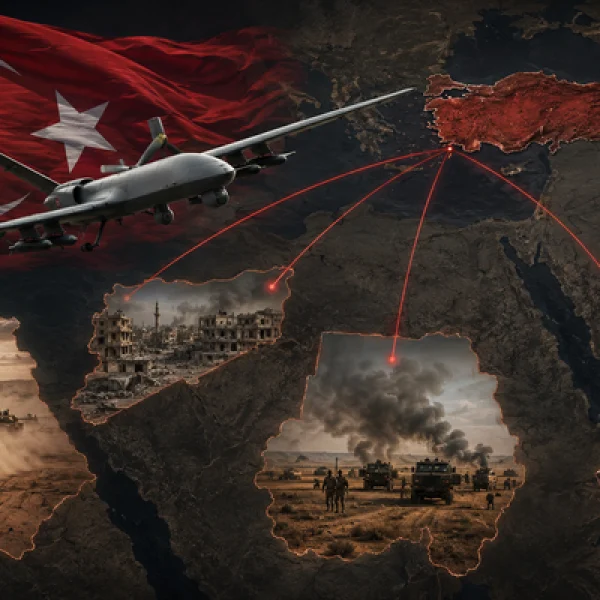
The allegations have intensified debate over Türkiye’s overseas interventions, though Ankara has pursued distinct approaches in Libya, Syria and Sudan.
In Libya, Türkiye intervened openly after reaching security agreements with the UN-recognized government in Tripoli. The Turkish parliament approved the deployment in January 2020, after which Ankara supplied troops, advisers, drones, air-defence systems and support from allied Syrian fighters. Turkish officials portrayed the mission as assistance requested by Libya’s legitimate government.
Türkiye’s role in Syria has been more direct and conducted largely without Damascus’ consent. Since 2016, Ankara has launched military operations under specific names, deployed ground forces and acknowledged airstrikes against ISIS and Kurdish-led groups it considers linked to the PKK. Türkiye cites national security and self-defence, but critics have questioned both the legal basis of the operations and their effects on civilians.
Sudan reflects a less visible form of involvement. Türkiye has not announced a combat deployment there, but documents reviewed by The Washington Post showed that Baykar, a Turkish company, provided the Sudanese military with drones and missiles valued at least $120 million. Turkish-made drones have carried out strikes, although available evidence does not show that Turkish personnel operated the systems or chose the targets.
Somalia could now combine elements of all three approaches: a publicly recognized security partnership alongside military activity whose authorization, scope and accountability remain uncertain.
The federal government says Turkish assistance is intended to support operations against Al-Shabaab. Yet the political landscape has shifted. President Hassan Sheikh Mohamud’s original four-year mandate reached its expected end on May 15, 2026. Villa Somalia maintains that constitutional amendments extended the presidential and parliamentary terms to five years. Opposition leaders and several federal member states dispute whether those changes apply to the current officeholders, leaving the legality of the extension unresolved.
That constitutional dispute has made foreign military cooperation particularly contentious. Türkiye is working mainly through Villa Somalia while Puntland State, Jubaland, parts of South West State and national opposition figures contest the federal administration’s authority and accuse it of abandoning Somalia’s federal consensus.
Should Turkish aircraft be deployed exclusively against Al-Shabaab, Ankara can rely on its formal security agreement with Mogadishu. But if the aircraft are used against federal-state forces or political rivals, Türkiye could move beyond counterterrorism support and become involved in Somalia’s internal political conflict.
The key issue, therefore, is not whether Türkiye has a presence in Somalia. That is established. The question is whether a disputed federal administration can authorize foreign military force against Somali actors without consultation, clear legal oversight or the consent of the federal member state in which an operation takes place.
Türkiye’s conduct in Libya, Syria and Sudan suggests that Ankara may state its broader strategic aims while offering little information about individual missions or operational decisions. In Somalia, continued silence could fuel further mistrust unless the Doolow attack is independently investigated and the chain of authorization made public.
AXADLETM