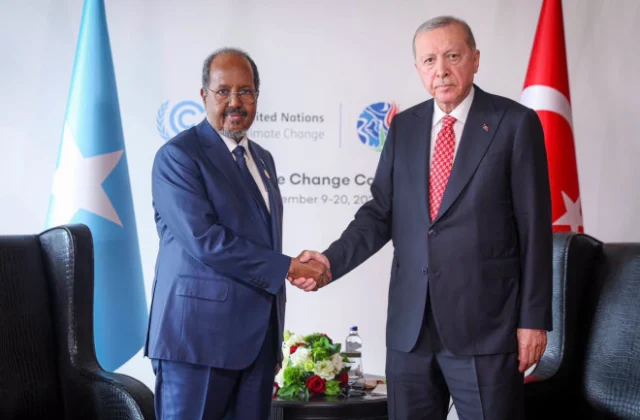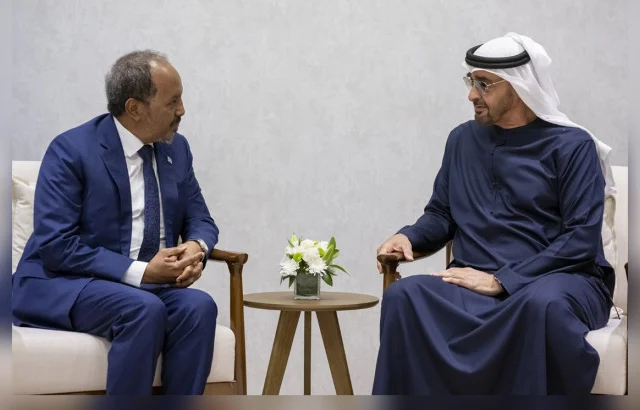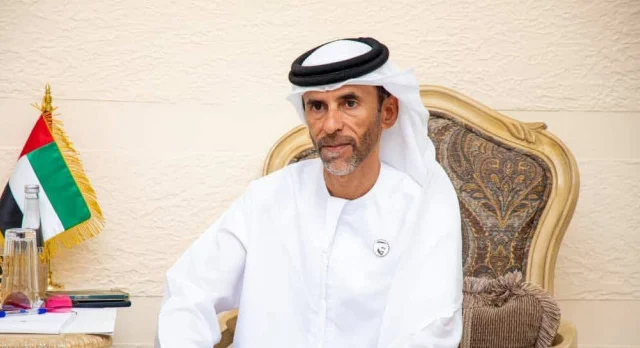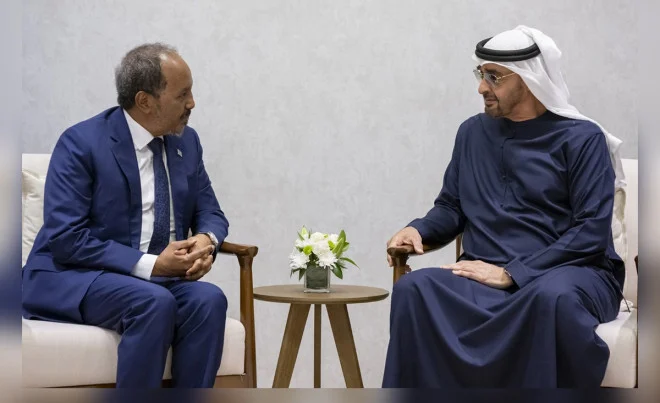
Mogadishu (AX) — The United Arab Emirates government has strongly condemned Somalia’s decision to expel its ambassador based in Mogadishu, accusing the federal government of taking hostile steps that pose a serious threat to relations between the two sides.
In a statement issued Thursday, Nov. 19, the UAE Ministry of Foreign Affairs criticized what it called growing hostility from Mogadishu, noting that the Somali government’s decisions were damaging the longstanding cooperation between the two countries.
“The United Arab Emirates strongly condemns the provocative and hostile conduct directed by the Somali government against the UAE,” the ministry said, describing Mogadishu’s position as irresponsible and a setback to bilateral relations.
The statement came just hours after Somalia’s Council of Ministers ordered the UAE ambassador to leave the country within 72 hours, while also recalling Somalia’s ambassador to Abu Dhabi for consultations.
The Somali government said the measures were intended to defend the country’s sovereignty and territorial integrity, following allegations that the UAE had directly interfered in Somalia’s domestic political and security affairs.
Responding to the diplomatic decisions, the UAE Ministry of Foreign Affairs stressed that relations between governments should be based on shared interests rather than being tied to domestic rivalries and political disputes.
The ministry criticized the Somali government for allowing its internal power struggles to undermine relations between the two countries, warning that the resulting consequences would harm the interests of both peoples.
The UAE also revealed that it had closed its embassy in Mogadishu and withdrawn all of its diplomatic personnel in January 2026, citing hostile actions by Somali officials.
According to the ministry, that decision followed a breakdown in understanding after Somalia completely annulled bilateral agreements between the two governments.
The admission calls into question the real purpose behind Somalia’s latest order to expel the ambassador, as Abu Dhabi made clear that it had already withdrawn its diplomatic staff from Mogadishu earlier this year.
The ministry did not explain whether any Emirati diplomats later returned to Somalia or whether the ambassador was in fact in Mogadishu when the expulsion order was issued.
The heated exchange followed allegations by Somali President Hassan Sheikh Mohamud that the UAE provides financial, political and security support to regional administrations and armed groups outside the authority of the federal government.
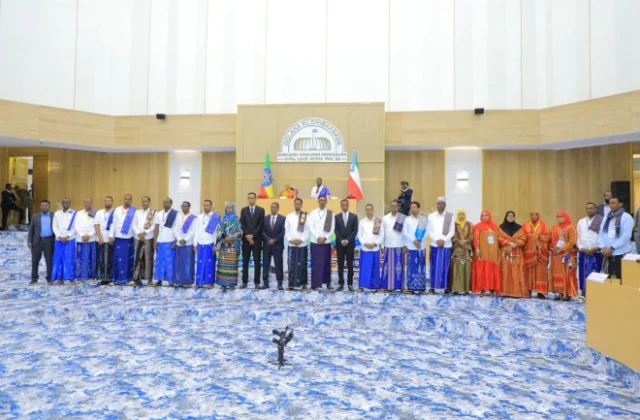
In a televised speech on Tuesday, Hassan Sheikh accused Abu Dhabi of undermining Somalia’s national unity through its special relationships with the North Western State of Somalia, Puntland and Jubaland.
He also sharply criticized the UAE’s involvement in the operations of the ports of Berbera, Bosaso and Kismayo, stressing that agreements concerning the country’s strategic infrastructure must be conducted exclusively through Somalia’s federal government.
However, the UAE rejected allegations that its policies were undermining Somalia’s stability.
On Wednesday, Anwar Gargash, diplomatic adviser to UAE President Sheikh Mohamed bin Zayed Al Nahyan, accused Hassan Sheikh of putting his personal political interests ahead of the broader interests of the Somali people.
Gargash defended the UAE’s deep-rooted history with Somalia, warning against turning domestic political rivalry into a regional dispute and conflict.
Despite the ongoing diplomatic dispute, the UAE Ministry of Foreign Affairs stressed that its disagreement with the Somali government would not affect the fraternal relationship between the Somali people and the UAE.
It again affirmed the great value it places on coexistence between the two peoples, particularly the large Somali community living in the UAE and those who travel to the Gulf country.
“The UAE remains committed to preserving and strengthening its deep-rooted relationship and shared interests,” the ministry said.
Somalia and the UAE have maintained diplomatic, commercial and security relations for decades, but agreements involving ports in the regions, security cooperation and ties with the country’s federal member states have sharply strained relations between the two sides in recent years.
The tension intensified in January when Somalia’s Council of Ministers completely revoked agreements with the UAE related to defense, security and economic cooperation.
Thursday’s statements further widened the rift between the two countries, with both governments accusing the other of causing the current tensions, although both sides said the dispute was limited to government policies and would not affect the peoples of the two nations.