A deal signed in Tripoli on August 30 by Libya’s rival eastern and western factions may open the door to national elections within two years, according to Hassane Koné, a senior researcher at the Institute for Security Studies. He said the agreement could also help revive political stability and territorial unity—goals that have remained out of reach since the 2020 ceasefire brought an end to large-scale fighting.
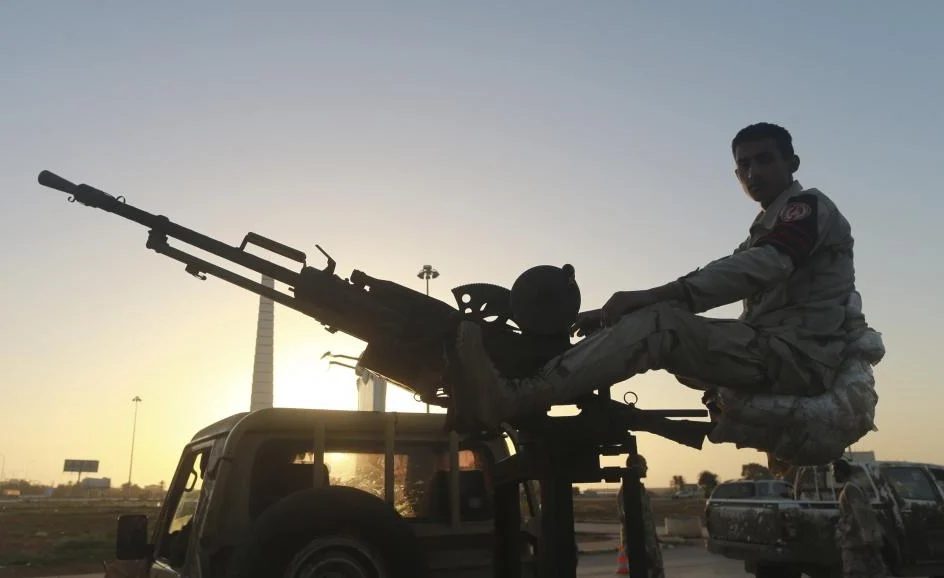
But the renewed engagement could create fresh challenges, Koné cautioned. Niger and Chad share nearly 1,400 km of border with Libya, and a reunified Libya could initially make the wider Sahel less secure if the proliferation of weapons is not tackled. “For Niger and Chad, which share nearly 1,400 km of border with Libya, and indeed for the Sahel as a whole, a reunifying Libya could paradoxically increase regional insecurity in the short term if the weapons issue remains unaddressed,” Koné wrote.