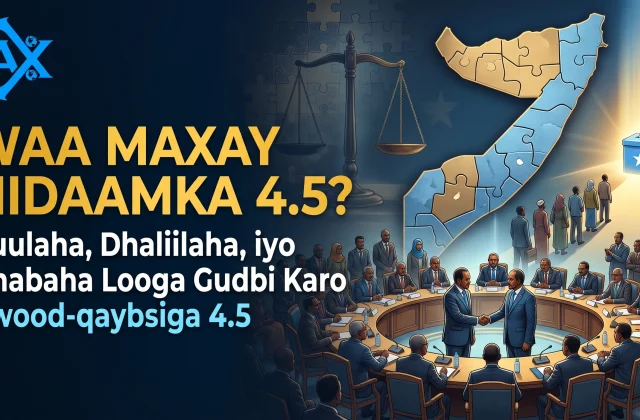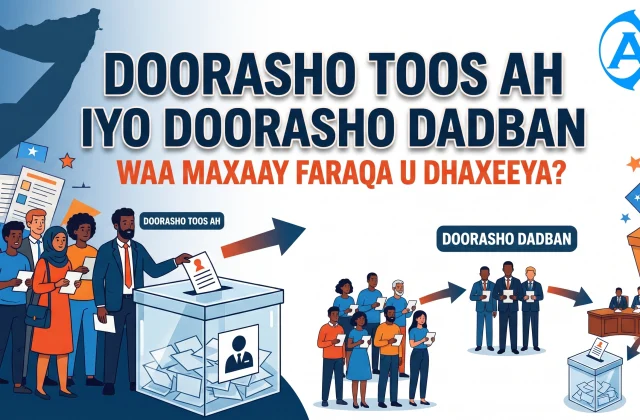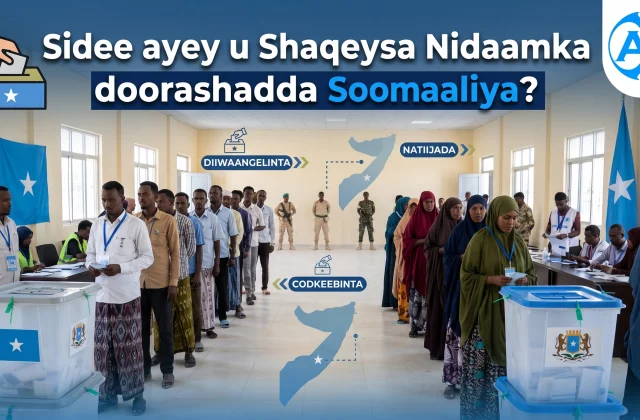

In recent years, Somalia has been pursuing a new course in governance and politics aimed at rebuilding state institutions and establishing an administrative system that unites the country. The federal system has become the official structure agreed upon to manage the country’s power and resources, following decades of conflict and destruction.
Understanding this system and how it works is important for every Somali citizen, as it directly affects people’s lives, the way services are delivered to the public, and the country’s overall security.
- Advertisement -
What Is Somalia’s Federal System?
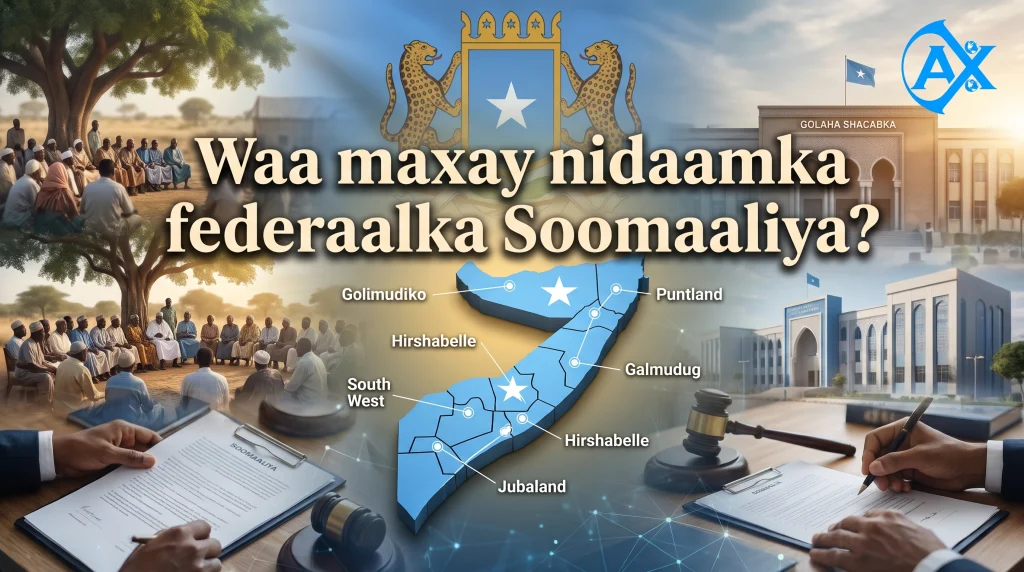
Somalia’s federal system is a political and governmental structure that divides the country’s authority between two levels of administration: the Federal Government, based in Mogadishu, and the Federal Member States.
This system does not eliminate national unity; rather, it allows different regions to have administrations closer to the people that work for local development, while the central government is responsible for matters of national importance such as foreign policy, national defense, and currency.
The Federal Member States operating under this system include:
-
- Puntland: With its capital in Garowe and major cities including Bosaso.
-
- Jubaland: With its interim capital in Kismayo.
-
- South West State: With its interim capital in Baidoa.
-
- Galmudug: Comprising the country’s central regions.
-
- Hirshabelle: With its capital in the city of Jowhar.
Meanwhile, the North Western State of Somalia, including historic cities such as Hargeisa and Zeila, is an integral part of Somali territory, and efforts are continually aimed at completing its integration into the country’s overall system of governance.
The Importance of the Federal System to the Country
Somalia’s adoption of the federal system was not accidental; rather, it was a solution intended to overcome the challenges that led to the collapse of the central government. Its main benefits include:
-
- Decentralization of Power: The system ended the concentration of all national decisions in one city or in the hands of one authority, a situation that had previously caused public grievances.
-
- Bringing Services Closer: People living in remote regions have the opportunity to communicate their views and needs to administrations closer to them, rather than undertaking long journeys to the capital.
-
- Conflict Resolution: Federalism encourages consensus-based agreements and enables different clans and regions to feel that they have a role in governing the country.
-
- Competition for Development: Each region has the opportunity to invest in its unique assets, such as agriculture, livestock, fisheries, and ports, thereby promoting economic growth.
Key Elements of the Federal System
For Somalia’s federal system to be effective, it depends on clearly defined legal and political pillars:
-
- The Provisional Constitution: This is the country’s supreme law, governing the structure of the state, the boundaries of authority, and citizens’ rights.
-
- Division of Powers: Defining the matters administered exclusively by the central government and those falling under the Federal Member States.
-
- Resource Sharing: A fair system for distributing national revenue, taxes, and international assistance so that each region receives an adequate share.
-
- Protecting Unity and Sovereignty: Although subnational administrations exist, Somalia remains one country with one flag, one border, and one international identity.
Frequently Asked Questions (FAQ)
1. Why did Somalia adopt the federal system?
Somalia adopted federalism after the collapse of the central government, which had concentrated power in one place. It was viewed as the only system capable of restoring public trust, decentralizing power, and preventing future authoritarianism.
2. Can the Federal Member States become independent countries?
No. Under the country’s Constitution, the Federal Member States are constituent members of the Federal Republic of Somalia. They do not have separate international recognition and cannot sign international agreements that undermine the country’s unity without consulting the central government.
3. How do the responsibilities of the Federal Government and the Federal Member States differ?
The Federal Government is responsible for foreign policy, defending the country’s borders, issuing the national currency, and enacting the country’s general laws. The Federal Member States administer local police forces, oversee education and health development at the regional level, and manage social services in their areas.
Translated by Ali Musa
alimusa@axadletimes.com
Axadle Media Group