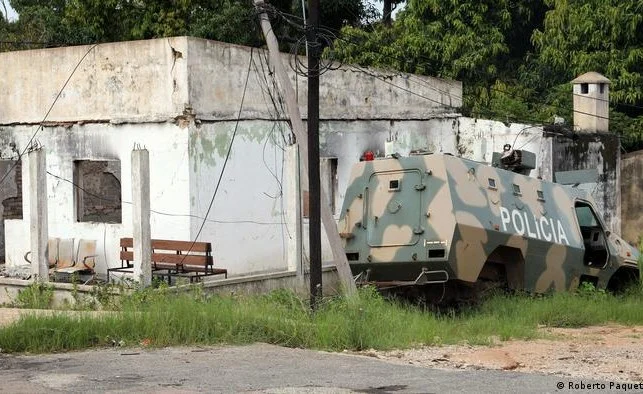
When terrorists struck northern Mozambique’s Cabo Delgado province nine years ago, the country’s Defence Armed Forces (FADM) were caught off guard, despite having spent three decades fighting internal conflicts, writes Borges Nhamirre, a researcher at the Institute for Security Studies (ISS).
Until that assault, Mozambique had largely avoided the terrorist threats confronting other African nations and countries elsewhere, Nhamirre said. The FADM had limited control across Cabo Delgado and lacked the preparation for a rural guerrilla campaign led by local jihadists and backed from abroad. The army was also hampered by weak combat capabilities and inadequate logistical support, he wrote.
- Advertisement -
Since then, the FADM has received extensive foreign training, alongside efforts to improve its equipment and logistical capacity. Yet those investments have not produced clear gains on the ground, where communities continue to face insufficient protection and human rights abuses by state forces, Nhamirre wrote. To defeat the insurgency, he added, the FADM must ultimately win the confidence and support of the communities caught in the conflict.