Somalia: Military court chief recalls father’s killing amid 2017 Mogadishu bombing trial
MOGADISHU, Somalia — Somalia’s top military court judge has described how Al-Shabaab killed his father in an apparent attempt to halt proceedings against a suspect accused of helping direct the truck used in the deadly 2017 Mogadishu bombing.
- Advertisement -
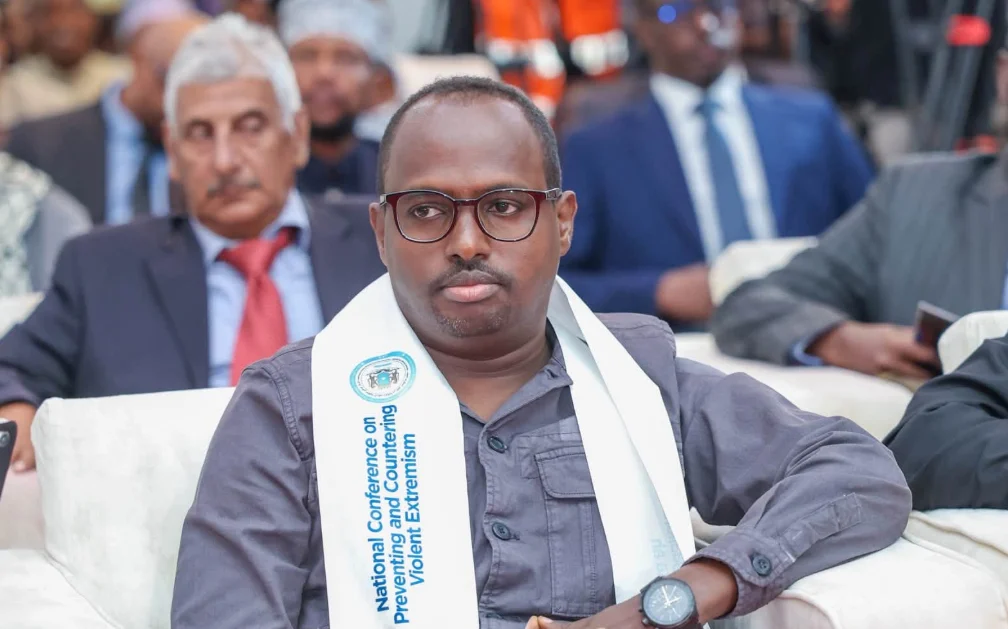
Hassan Ali Nur, popularly known as Shuute, spoke at a national conference on preventing and countering extremist ideology in the Somali capital on Wednesday, the ninth anniversary of the October 14, 2017, attack.
The truck exploded at the crowded Zoobe junction, killing hundreds and injuring many more in one of the country’s most devastating attacks.
Shuute said security agencies investigating the bombing arrested a man suspected of directing the vehicle’s driver. Investigators later linked the suspect to another vehicle bombing in Mogadishu’s Danwadaagta area, he added.
He said Al-Shabaab initially sought to disassociate itself from the Zoobe attack and deny responsibility for the destruction it caused.
“When the Zoobe bombing happened, the terrorists tried to distance themselves from it and deny what had occurred,” he said, adding that security agencies had arrested one of those involved in directing the vehicle.
Shuute said his father was then murdered in an apparent effort to stop the court from hearing the case against the suspect connected to the bombing.
Although the killing devastated his family, he said it did not prevent him or his colleagues from continuing their judicial work.
The suspect appeared before the court toward the end of December that year, Shuute said. After the court set a date for the next hearing, he received a telephone call on the eve of the proceedings.
A young man from his neighbourhood warned him that his parents were in danger, Shuute recalled. The caller later contacted him again and told him that his father had been killed.
Shuute said his father had returned from an area under Al-Shabaab control three days before the murder. He said he believed the attack was designed to disrupt the case.
The timing of the killing, he said, reinforced his belief that the militants wanted to prevent the proceedings from continuing.
Despite the loss, Shuute said his family buried his father and he returned to court the next morning to resume the hearing.
“After we buried his body, we went straight to the court the same morning to proceed with the case,” he said.
His testimony underscored the danger faced by Somalia’s judicial officials and their relatives, as Al-Shabaab has repeatedly targeted government workers, security personnel and people involved in the justice system.
The Al-Qaeda-linked group has fought the Somali government for more than a decade, carrying out bombings, assassinations and assaults against military and civilian targets.
The Zoobe bombing remains one of the most traumatic episodes in Somalia’s recent history, triggering widespread anger and renewed demands for stronger action against the militant group.
Somali authorities have continued military operations against Al-Shabaab while prosecuting suspects accused of taking part in attacks and other activities linked to the group.
Officials at the conference examined measures to counter extremist ideology alongside security efforts, reflecting the government’s focus on challenging Al-Shabaab’s influence as well as its armed capacity.
Shuute’s account provided a personal illustration of the insurgency’s human toll and the threats confronting those pursuing cases against suspected militants.
AXADLETM