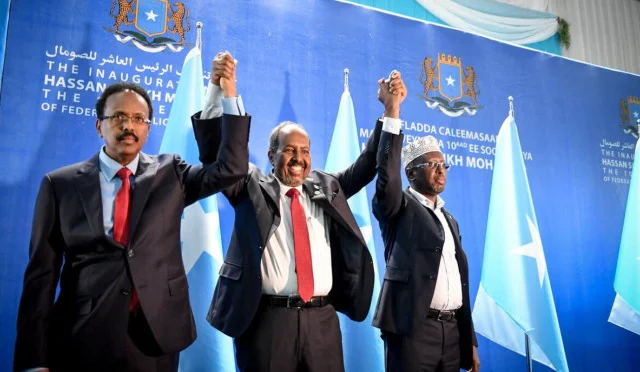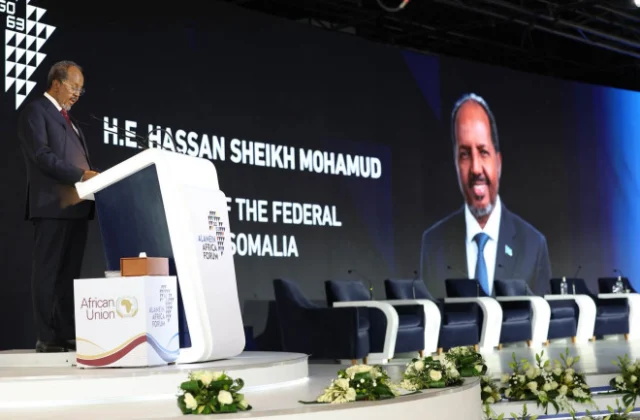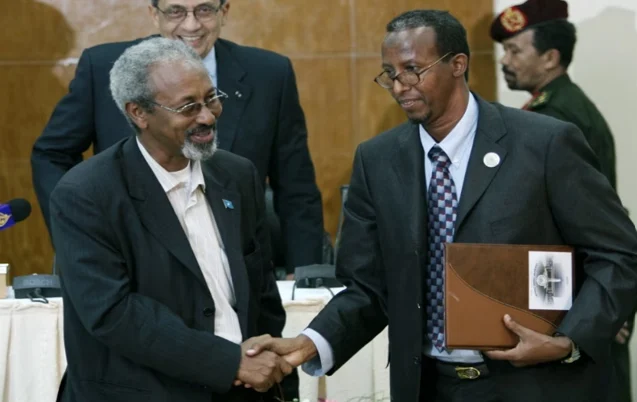

Somalia’s federal project was intended to prevent political power from gathering in the hands of a single clan or political network. Yet concerns are growing that key institutions and territories—including Villa Somalia, Banadir and Hirshabelle—are increasingly associated with politicians from the Abgaal sub-clan.
The issue is not whether Abgaal members should hold public office. Every Somali citizen has the right to serve in government, regardless of clan identity. The concern is that several strategically important institutions and areas appear to be under the influence of one sub-clan at a time when political legitimacy still depends heavily on negotiated power-sharing.
Somalia’s political framework has historically relied on arrangements designed to accommodate the country’s major clan communities. The 4.5 formula, for instance, was created to distribute political representation among the major clan families and minority communities. The Constitution also provides for a federal system in which federal member states participate in national institutions, including through the Upper House of Parliament.
The broader question is whether Somalia’s institutions are inclusive enough—and whether citizens and regions believe that national resources, appointments, security structures and political opportunities are being allocated fairly.
Hirshabelle
Hirshabelle is at the center of these concerns. Established in 2016 from Hiiraan and Middle Shabelle, the state has repeatedly faced political disputes rooted in competing claims over how authority should be shared between the two regions.
When Ali Abdullahi Hussein Guudlaawe, an Abgaal politician, was elected president in 2020, Hawadle political figures raised concerns about the balance of power within Hirshabelle. Those disagreements have remained part of the state’s current electoral cycle.
The continuing friction between Hiiraan and Middle Shabelle illustrates the dangers of political settlements viewed by one community as unequal. Conflicting interpretations of Hirshabelle’s power-sharing arrangements have fueled instability and reduced confidence in the state’s institutions.
Banadir and Villa Somalia
Banadir adds another significant element to the debate. Mogadishu serves as the seat of Somalia’s Federal Government, while the Banadir Regional Administration operates directly under the federal system. Since the capital hosts the country’s main political and administrative institutions, control and influence in Banadir have consequences far beyond the region itself.
Villa Somalia, the headquarters of the Federal Government, is similarly central to national appointments, policymaking and political negotiations. When influence over Villa Somalia, Banadir and Hirshabelle is seen as concentrated within one clan ( Abgaal), other communities may doubt whether the federal system is functioning on an inclusive basis.
Such perceptions can erode public confidence even when appointments comply with the law. Inclusive governance requires more than constitutional authority; it also depends on transparency, consultation and the confidence of communities affected by political decisions.
Institutional Safeguards
A durable federal system cannot rest on the indefinite control of particular political centers by one clan or sub-clan. At the same time, no community should be shut out of office because another has historically occupied certain positions. Leadership should change through transparent elections, constitutional procedures and negotiated settlements—not through the idea that public institutions permanently belong to a particular clan.
Several measures could help restore confidence:
● Transparent appointments: Public offices should be awarded through clear, merit-based procedures grounded in law. ● Balanced representation: Federal and regional institutions should reflect the communities they serve. ● Effective federalism: Federal member states should have meaningful influence in national decision-making. ● Constitutional oversight: Independent legal and parliamentary bodies should handle disputes involving elections, appointments and regional authority. ● Inclusive security institutions: Security forces should serve the public and avoid appearing to belong to one clan or political faction. ● Regular consultation: National and regional leaders should consult communities before decisions affecting power-sharing are made.
Taken together, these safeguards would help move political competition away from clan confrontation and toward established institutions.
Recommendations
Somalia needs a political culture in which public office is held on behalf of citizens and constitutional institutions, not clans. Fair representation does not mean excluding the Habargidir , Hawaadle, Mursade, Gaaljecel, Jareer Weyn, Reer Xamar, Arab Somali, Gugundhabe, Darood, Dir, Digil-Mirifle or any other community. It means ensuring that no single community is seen as having permanent ownership of the country’s most consequential political institutions.
To pursue that objective, Somalia should:
1. Revisit Hirshabelle’s power-sharing arrangements through an inclusive dialogue involving Hiiraan, Middle Shabelle and other relevant stakeholders. 2. Reinforce Banadir’s constitutional status and representative governance. 3. Make appointments to federal and regional offices more transparent. 4. Give federal member states a meaningful role in national political decisions. 5. Create credible processes for settling electoral and constitutional disputes. 6. Advance national citizenship and institutional accountability alongside community representation.
The enduring test for Somalia’s federal system will be whether every community sees a place for itself in government, whether regional grievances can be settled peacefully, and whether political authority can change hands through legitimate constitutional and electoral channels. Those principles are central to building a stable and genuinely inclusive Somali state.
Abdiaziz Hassan Giyaajo Amalo