
North Korea Calls Nuclear Arsenal a Shield for Sovereignty
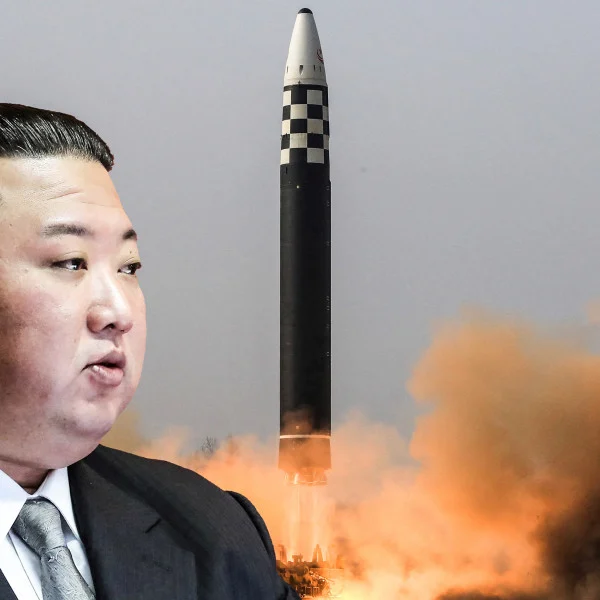
PYONGYANG — North Korea has defended its nuclear weapons as a safeguard for national sovereignty, while accusing the United States of continuing a hostile policy toward Pyongyang.
- Advertisement -
State media reported that North Korea would keep expanding its nuclear capabilities, portraying the arsenal as indispensable to the country’s defence and the protection of its sovereignty.
The declaration comes as tensions between Pyongyang and Washington remain elevated. The two governments continue to disagree over North Korea’s nuclear programme, ballistic missile development and the sanctions imposed in response.
North Korea has repeatedly said that US forces stationed in South Korea, along with joint exercises conducted by Washington and Seoul, threaten its security.
Pyongyang has also consistently rejected calls to abandon its nuclear programme, presenting its nuclear forces as a core element of the country’s national defence strategy.
The United States, by contrast, has repeatedly demanded that North Korea surrender its nuclear weapons and ballistic missile programmes. Washington has backed international sanctions intended to pressure Pyongyang over its weapons development.
North Korea has accused successive US administrations of following a hostile strategy aimed at weakening its government and compromising its security.
Pyongyang said it would continue building its military and nuclear capabilities for as long as Washington maintained its current policy.
The latest remarks underscore the enduring stalemate surrounding North Korea’s nuclear programme, one of East Asia’s most persistent and challenging security disputes.
Earlier diplomatic initiatives between North Korea and the United States failed to deliver a denuclearisation agreement. Negotiations collapsed amid disagreements over sanctions relief and the scale and timetable of any dismantling of Pyongyang’s nuclear and missile capabilities.
Since then, North Korea has continued advancing its military programmes, including its nuclear weapons and ballistic missiles, despite international sanctions.
The United States retains a military presence in South Korea under its longstanding security alliance with Seoul. The two allies routinely hold military exercises, which North Korea interprets as rehearsals for an invasion.
South Korea and the United States maintain that their military cooperation is defensive and needed to deter possible aggression by Pyongyang.
North Korea’s latest statement indicates that its leadership still considers nuclear weapons vital to national security. It also suggests Pyongyang is unlikely to accept demands for unilateral denuclearisation without major changes in its relationship with Washington.
The comments come as regional security concerns remain widespread, with North Korea’s nuclear and missile programmes continuing to attract international scrutiny.
For Washington and its regional allies, the continued expansion of Pyongyang’s nuclear capabilities remains a serious security threat.
North Korea, however, says its nuclear arsenal is needed to deter outside intervention and ensure the survival of the state.
Those opposing positions leave limited immediate space for compromise, as denuclearisation, sanctions and military exercises remain central disputes between Pyongyang and Washington.
AXADLETM