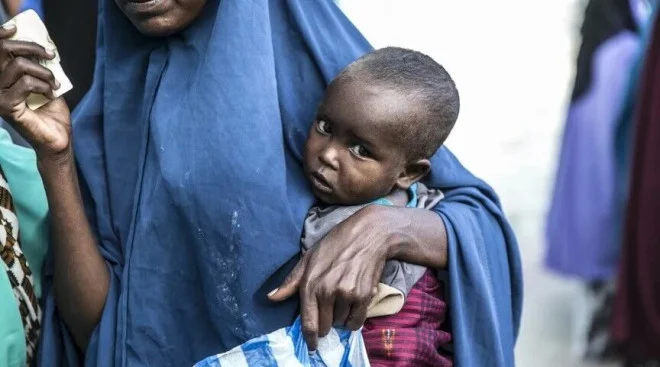
Children in Somalia are facing a rapidly deepening humanitarian crisis as aid cuts close healthcare facilities, disrupt nutrition programs and make clean water, education and protection harder to access, UNICEF said Friday.
“Unprecedented reductions in humanitarian assistance have already forced 205 health and nutrition facilities to shut,” James Elder, a UNICEF spokesperson, told reporters at the Palais des Nations in Geneva.
- Advertisement -
He said children were feeling the consequences immediately. During the first six months of this year, admissions of children with severe acute malnutrition and related complications to stabilization centers rose 32% compared with the same period in 2025.
“When services disappear, mothers and babies must travel farther. Those longer journeys delay treatment, and delayed treatment brings more serious illness and raises the risk of preventable deaths.”
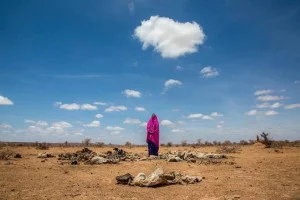
Elder said Somalia was already contending with a worsening climate crisis, severe drought in parts of the north, conflict and displacement. The war in Iran has also driven up the cost of fuel and fertilizer, adding to the strain on families and humanitarian operations.
“It is a brutal contradiction: funding to protect vulnerable children is being withdrawn just as the forces driving them into crisis are becoming more severe — even as the need for generous donor support continues to grow,” Elder said.
The UNICEF spokesperson said the funding shortfall had already reduced coverage of health and nutrition services by 30%. Nearly one million children under five, adolescent girls and women in Somalia could lose access to vital nutrition support.
“This year, an estimated 1.9 million children are expected to suffer from malnutrition, including nearly half a million facing severe acute malnutrition, the most deadly form,” he said.
Elder said the ongoing drought was being worsened by the aid reductions. More than 1.6 million people need access to safe water, while more than 800,000 are at risk of losing essential hygiene supplies.