
The message from the early-voting figures is unmistakable: Americans are turning out in force to shape the country’s next political chapter.
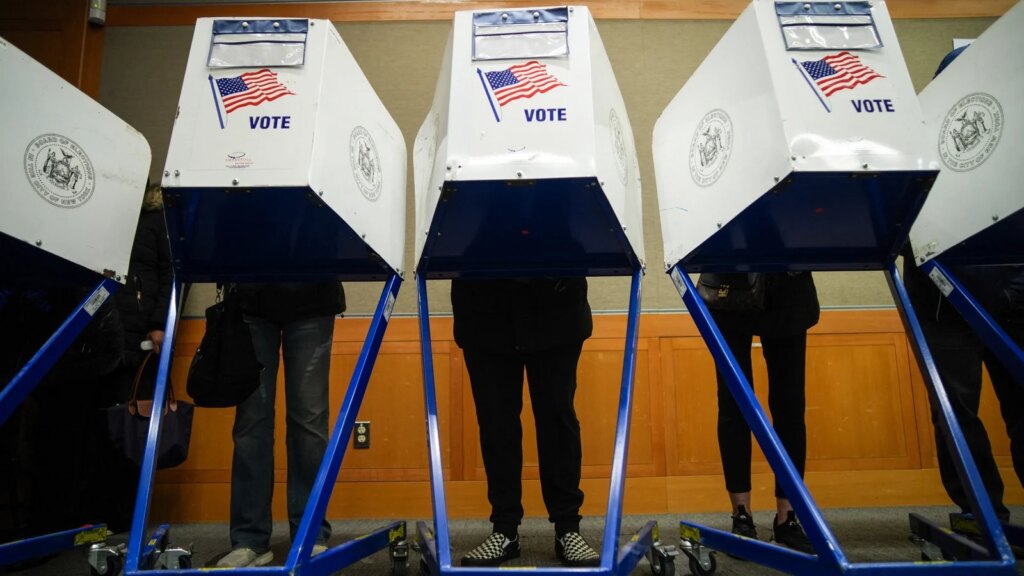
By last night, more than 48 million voters had already submitted ballots either at early-voting locations or by mail.
- Advertisement -
That total is well ahead of the number recorded at the same stage of the previous midterm election. The biggest increases have appeared in states where competitive Senate contests could decide which party controls the chamber.
Texas offers a vivid example. The Republican-leaning Lone Star state has become a national and international political focal point, with closely fought races for the US Senate, House and governor’s mansion.
That’s compared with 4.2 million people at the same point four years ago.
Maine, Michigan, North Carolina and Kansas have also posted increases of more than 30%, according to an Associated Press analysis. In South Carolina, early voting has surged by an extraordinary 83%.
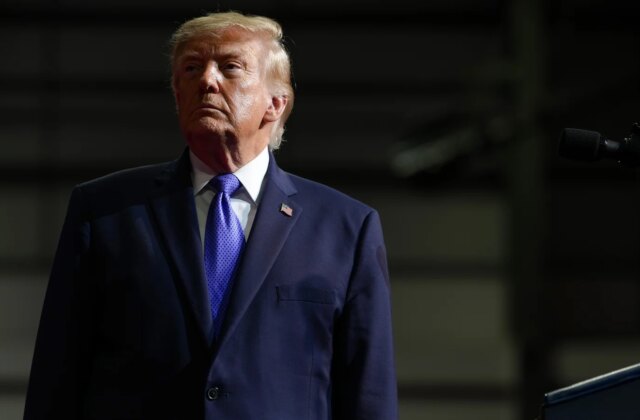
With so many contests too close to call, President Donald Trump understands how decisive turnout could be in these midterm elections. The outcome may substantially shape his power and determine how far he can advance his agenda during the next two years.
He has spent the past month campaigning at a relentless pace, appearing with figures including rapper Nicki Minaj and boxers Mike Tyson and Jake Paul in an effort to energise Republican voters. In early October, the White House announced plans for the president to visit at least 17 states before Tuesday’s vote.
Nicki Minaj joined Donald Trump at a campaign rally
By Tuesday afternoon, Trump had made 20 stops in states he won comfortably and six in battleground states since 9 September, according to ABC News tracking.
“Just get out and vote,” he told supporters at one rally.
Whether that push will change the political picture remains uncertain, particularly as Republican candidates confront voter anxiety over affordability and backlash against the administration’s immigration crackdown.
The non-partisan Cook Political Report yesterday moved another dozen House races in the direction of the Democrats.
It now projects more than 218 seats as “lean Democrat” or stronger, placing the likely Democratic total between 227 and 240 seats — a result that could amount to a blue tsunami.
The Senate battle is considerably tighter. Seven pivotal races remain within the margin of error, leaving both parties with a route to a majority in 2027.
Democrats must hold the seats they already control and pick up four more. Five gains would give them a safer margin, because Pennsylvania Senator John Fetterman’s vote is no longer considered reliably blue.
Jessica Taylor, an analyst at the Cook Political Report, said: “Given the dismal national political environment for Republicans – and the fact that Democrats have multiple scenarios to gain the four seats they need to flip the chamber (of the seven seats sitting in Toss Up, six are held by Republicans) – we see Democrats as the slight favourites.”
The New York Times has reported that “a grim mood has set in around the White House, which has been rocked by turnover, tension among internal factions and anxiety over what happens should Republicans lose legislative control in Washington”.
If Democrats win control of Congress — or even just the House — the result is unlikely to be defined solely by political retaliation.
The party has pledged to examine allegations of corruption and wrongdoing inside the Trump administration, but such investigations are unlikely to dominate its agenda.
The Democrats are hoping Abdul El-Sayed, pictured with Barack Obama, can win the Senate election in Michigan
Instead, Democrats are expected to concentrate heavily on affordability, even if many of their proposals ultimately face defeat through a presidential veto.
Party leaders are discussing a shock-and-awe legislative drive early in the new year, soon after taking control of the chamber. Their promises include restoring health care subsidies and Medicaid funding, as well as creating federal rules for artificial intelligence and data centres.
Even if Senate Republicans and the president block those measures, Democrats could still benefit politically.
If the proposals become law, the party can claim a direct legislative victory.
If Trump vetoes them, Democrats can argue that they made a genuine effort — a message they could carry into the 2028 presidential election.
But if the close contests break against them, Democrats may be left confronting a painful sense of squandered potential.
They could come within reach of power only to fall short at the decisive moment, despite a political climate that appeared to favour them.
For Republicans, Elon Musk may be among those watching anxiously. The world’s richest man has committed close to half a billion dollars to supporting the GOP in this election.
Should a blue wave — or even a blue tsunami — emerge, the already sombre atmosphere at the White House is likely to become darker still, pushing the Republican Party towards a defining crossroads.
As Republicans look ahead to the 2028 election and begin weighing potential presidential candidates, will they reinforce Donald Trump’s style of politics, or decide that the time has come for a new course?
The answer will begin to emerge after next Tuesday.