
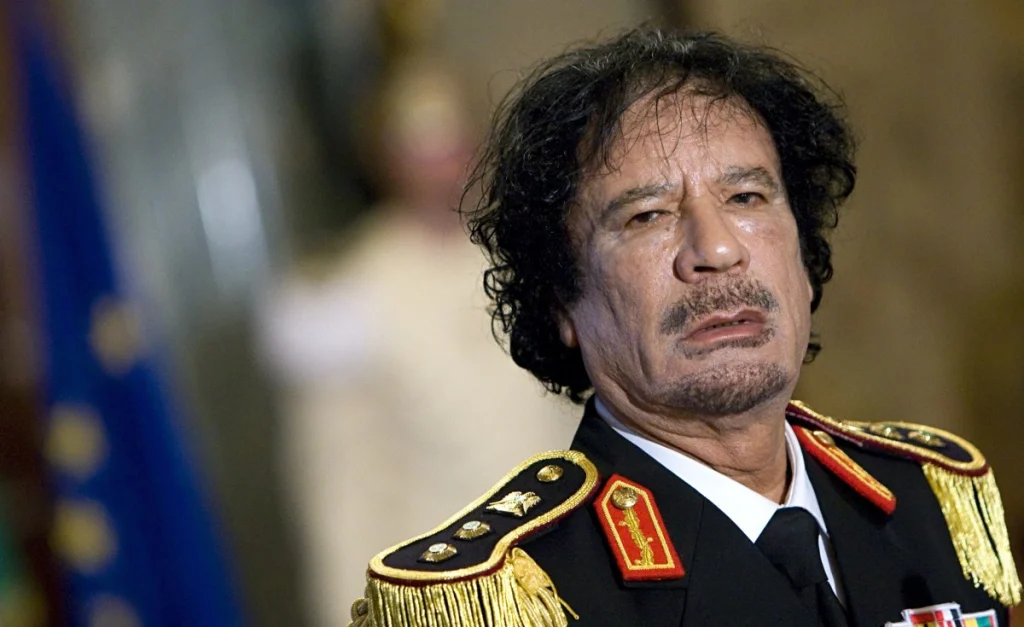
Muammar Gaddafi’s death in 2011 did not end the arguments over his rule. Fifteen years on, the former Libyan leader’s political legacy still shapes discussions about Libya’s instability and the security challenges facing the Sahel. Libya specialist Virginie Collombier says Gaddafism blended the Green Book’s proposed alternative to capitalism and communism with centralised power, Arab and African nationalism, anti-imperialism and the redistribution of oil wealth.
That legacy was also forged through harsh repression, limits on political opposition and policies that alienated parts of the population. His removal after an uprising and Western-backed military intervention left Libya fractured among competing political and military factions, while insecurity extended well beyond its borders.
- Advertisement -
Across Africa, some leaders and political elites still look back favourably on Gaddafi’s investment and backing for development, while faulting foreign powers for ousting him without a viable plan for Libya’s future. The assassination of his son Saif al-Islam in February 2026 has further weakened the movement, depriving supporters of a prominent figure and a clearly defined political project. Collombier says Gaddafi’s enduring legacy reflects both the highly personalised nature of his rule and the complexity of Libya’s history.