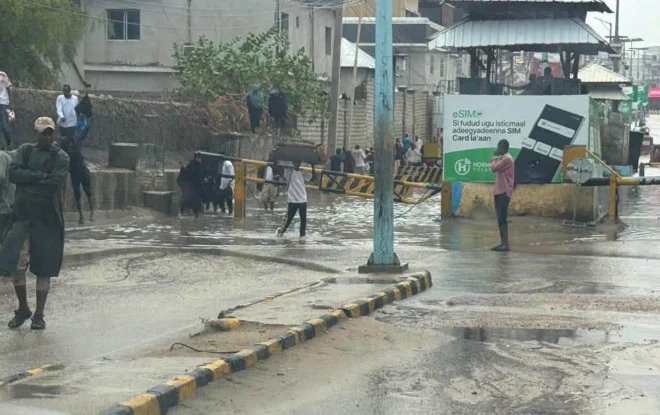
The Friday sermon delivered on November 20 at a large mosque inside Bakaaraha Market in Mogadishu became a platform for discussing the widespread problems caused by the deterioration of roads that serve as vital arteries for the capital. The sermon, which deeply moved the worshippers in attendance, conveyed insight, public awareness, patriotic sentiment and a sophisticated understanding of good governance.
When a society that has long suffered injustice and governmental indifference hears a voice courageously analyzing the failings of an expired system whose leaders remain clinging to power, one is immediately reminded of the wise verse by poet Abdulqadir Yamyam: “Alas, the bad camel does not rebel.” The cleric’s words carried a direct appeal urging citizens to reject practices rooted in poor governance and corruption.
The cleric opened his remarks with a hadith narrated by the Prophet Muhammad (peace be upon him), focusing on noble ethics and the simple qualities that cultivate a person of great value who is respected within society.
Particularly noteworthy was the preacher’s linking of personal morality with effective national leadership. Those seated in the mosque reflected on how good character extends to the public interest, since abandoning the noble values that the Prophet instructed the ummah to uphold would lead to stagnation and immense hardships for society.
He illustrated the current situation with a journey he had made the previous day, traveling by road from the Lambar 50 area west of Mogadishu toward the capital. The cleric testified to seeing numerous vehicles overturn after being unable to navigate the potholes and widespread road damage caused by neglect.
These recurring accidents have caused extensive loss of life and property, turning the sites into places of anguish, complaints and grief. Some vehicles spill fuel that poses a danger to the environment, while others carry livestock that, after overturning, create foul odors and health hazards. The people suffering at the scene, with no alternative roads available, have completely lost hope of receiving assistance from government agencies.
The preacher expressed deep anger and surprise at the speed with which the Mogadishu administration fills positions and appoints officials to vacant offices, while showing neither a plan nor concern for the daily disasters occurring on neglected roads.
The sermon also included an analysis of the management of public finances and national assets—topics rarely heard from the pulpit in recent times—and closely linked them to the public interest. The congregation listened in detail to facts about the taxes and substantial revenues collected from people living in the capital.
These powerful messages heard through mosque loudspeakers testify that the political awareness and public consciousness of the Somali people have reached a high level. They represent a step demonstrating society’s readiness to hold accountable leaders who have extended their terms in office and failed to address basic needs and manage the public interest.
Across the country, public sentiment is increasingly calling for the country’s governance and future to be taken away from individuals enriched by corruption and the abuse of state power.
A movement grounded in greater understanding and awareness has emerged in central Mogadishu and is progressing peacefully, appearing directly in Friday sermons. Mosques, which were already places of worship, have now evolved into forums for discussing the problems affecting people’s lives. The barriers that previously prevented society from raising its voice are weakening, showing that citizens want Somalia to become a country that puts its own interests first.
This new awareness is empowering the public to confront openly a weak administration that has not even dared to defend the country against Donald Trump, the leader whom American voters defeated in the most recent election and stripped of important powers.
In the past, criticism and political appeals were issued from heavily guarded hotel rooms, but the situation has now changed as the public has directly taken over that role. Sermons of this kind are evidence that the mosque pulpit has become the closest platform for pointing to the failure of the country’s leaders to perform.
__________________
Mohamed is an expert in political strategy and a researcher on state-building. He is a Senior Fellow at various research centers and policy institutes.