EUCAP Somalia Faces Intensifying Questions Over Police Training Transparency
MOGADISHU, Somalia — Questions over the transparency and impact of police training are putting the European Union’s civilian security mission in Somalia under mounting scrutiny, with critics demanding closer oversight and evidence that it is meeting its mandate.
- Advertisement -
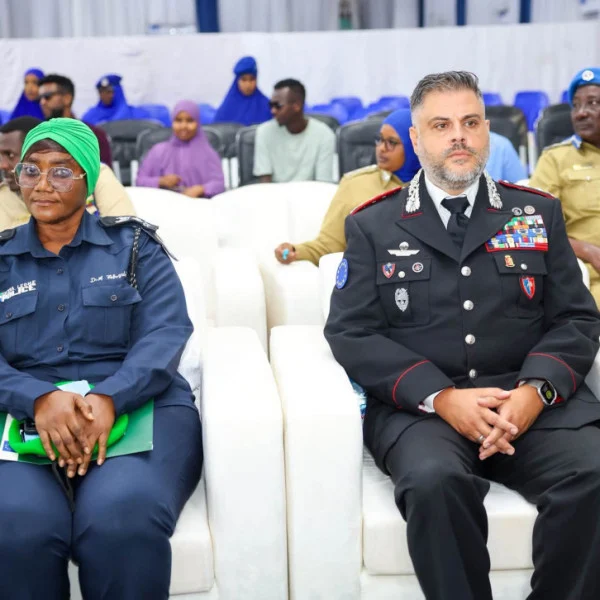
EUCAP Somalia assists the Somali Police Force through training, advisory support and institutional development. The mission says its objective is to help establish policing institutions that are professional, accountable and capable of operating sustainably.
Critics, however, say the public has not been given enough information about how some training programmes are structured, who is selected to participate, what each initiative is intended to achieve or how its results are measured.
They are calling for activities lacking sufficient disclosure or independent oversight to be suspended until a wider review can determine whether they are effective.
The criticism comes as EUCAP Somalia presents accountability, national ownership and institutional trust as central principles of its work.
In a statement published Tuesday, the mission said it was working to shift “from training individuals to strengthening institutions” and away from externally driven capacity-building toward “Somali-owned capability.”
EUCAP Somalia also said effective police cooperation depends on building trust, linking institutions and establishing lasting security arrangements.
The mission has supported Somali authorities in legal and institutional reform, police capacity-building, operational development and maritime security.
Critics nonetheless argue that those ambitions must be supported by fuller public disclosure about how programmes are developed, delivered and assessed.
They say international assistance should strengthen Somali control of the security sector while operating under clear accountability requirements, rather than through initiatives whose remit and results remain difficult for the public to assess.
The debate reflects wider concerns about international security assistance in Somalia, where multiple foreign missions support the country’s police, military and justice institutions.
For EUCAP Somalia, the issue extends beyond providing instruction: the mission must also show that its programmes are delivering durable improvements within Somalia’s security institutions.
Its latest public messaging places particular weight on accountability, command and control and national ownership. Critics say those same standards should apply to the mission’s own operations.
The scrutiny has intensified calls for a more detailed and investigative examination of EUCAP Somalia’s transparency and its record in delivering on its mandate.
AXADLETM