
Elections are the cornerstone of modern governance and the primary means by which citizens choose the leaders who govern their country. However, there is no single approach to holding elections worldwide; different systems are used to select representatives of the people and national leaders. The two most common and important systems are direct and indirect elections.
Understanding the difference between these two systems is essential for anyone who wants to follow the political process, voters’ rights, and how power is attained. This article explains in a clear and detailed way the essence of both types, their advantages, and the circumstances in which they are appropriate.
- Advertisement -
What Is a Direct Election?
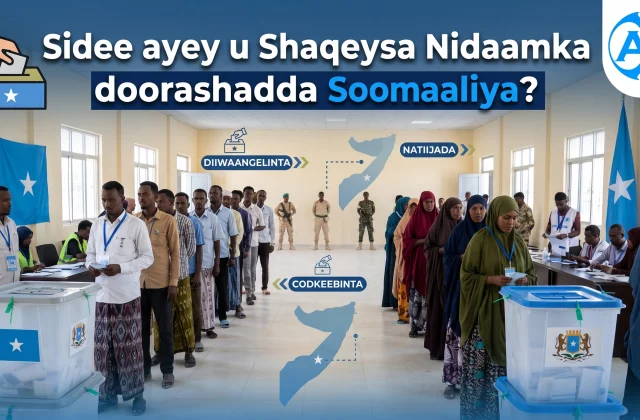
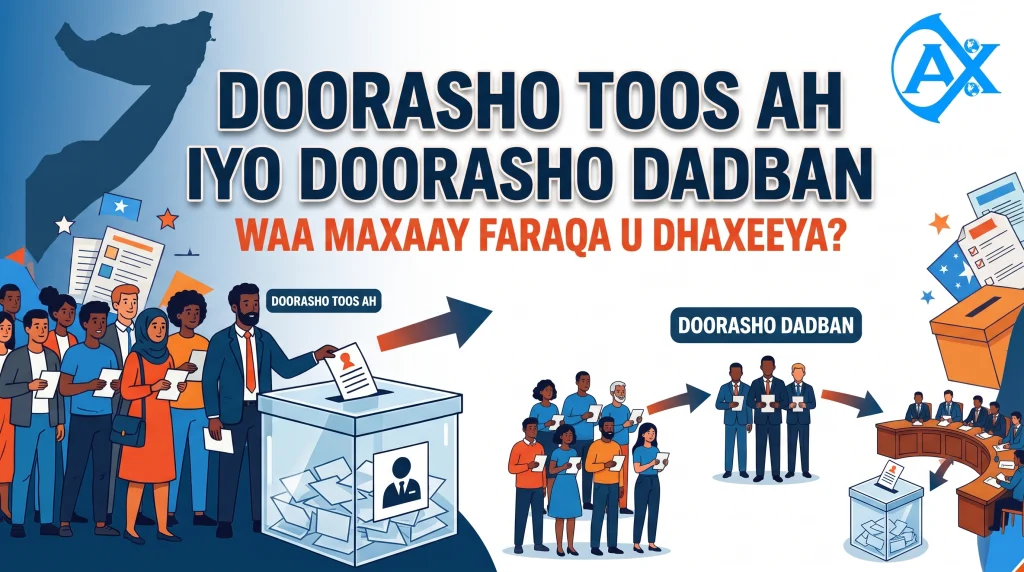
A direct election is a democratic system in which eligible voters cast their ballots directly for the candidate they want to hold office. Under this system, voters directly choose the president, legislator, or local official without an intermediary.
This system is generally based on the popular principle of “one person, one vote,” meaning that every citizen’s vote carries equal weight and that the final decision rests with the majority of the public.
What Is an Indirect Election?
An indirect election is a system in which voters elect a group of representatives or delegates, who then vote to choose the official who will hold office. Ordinary citizens do not directly elect the top leader; instead, they elect the people who make that decision.
This system is often used in some countries to elect the president or members of the upper house, with the elected parliament selecting the head of state. It is also used when holding direct elections is difficult because of security, financial, or social breakdown-related challenges.
The Difference: Key Points
To understand the differences between these two methods, it is important to consider the following points, which highlight the distinction between direct and indirect elections:
-
- Public Participation: In a direct election, every citizen participates directly in the decision, while in an indirect election participation is limited to delegates or appointed legislators.
-
- Accountability: An official elected directly is directly accountable to all the citizens who voted, while one elected indirectly is accountable to the smaller group that selected them or to specific representatives.
-
- Cost and Logistics: Direct elections require substantial funding, nationwide voter registration, and comprehensive security across the country. Indirect elections require far less funding by comparison and can be held at a limited number of locations where security is easier to provide.
-
- Relationship Between the Leader and the Public: The direct system creates a strong relationship between the leader and voters, while under the indirect system that relationship may be limited to the representatives.
The Importance of Both Election Methods
Both systems have their own advantages and importance, depending on the circumstances and conditions facing a country:
Importance of Direct Elections:
-
- They increase public confidence in the government, as everyone feels that their vote made a difference.
-
- They strengthen the legitimacy of the leadership, as it has the support of the majority of the population.
-
- They encourage political awareness and civic ownership among citizens.
Importance of Indirect Elections:
-
- They are suitable for countries emerging from conflict or facing security conditions that make it impossible to establish polling stations everywhere.
-
- They help build social agreements and consensus during periods of clan or regional divisions.
-
- They take less time than direct elections, helping prevent a constitutional vacuum.
Somalia’s Broader Experience
Historically, Somalia has gone through different stages in its electoral process. Following the collapse of the central government, the country relied heavily on indirect elections to establish state institutions and unite the country’s regions.
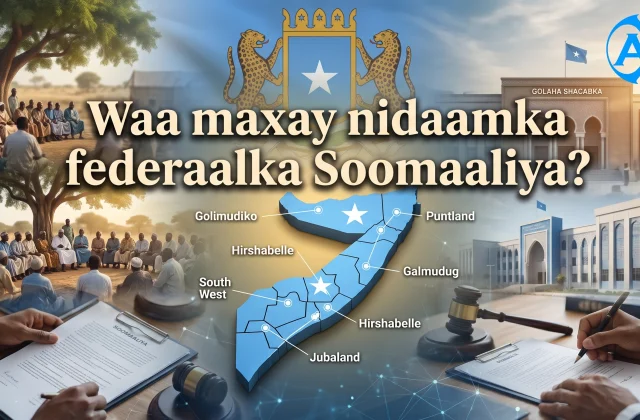
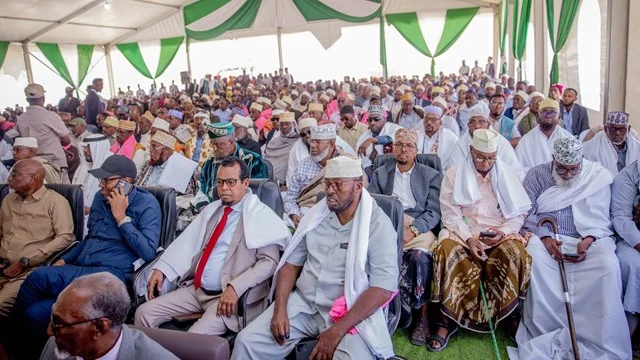
The indirect methods used include selecting legislators through delegates representing clans, who then elect the president in the country’s capital, Mogadishu. The country’s federal member states, including Puntland, Jubaland, Galmudug, Hirshabelle, and South West State, play an important role in this consensus-based process. There are also historic cities such as Hargeisa, Kismayo, Baidoa, Jowhar, Bosaso, Garowe, and Zeila, as well as areas in the North Western State of Somalia, all of which form part of the country’s history and system of administration.
The overall objective of Somali governance remains to gradually move away from the indirect system and transition to a direct, one-person-one-vote system, so that power can be returned to the people.
Frequently Asked Questions (FAQ)
1. Are there developed countries that use indirect elections?
Yes, many developed countries elect their top leaders indirectly. For example, in many countries that operate under parliamentary systems, citizens elect legislators, after which parliament elects the prime minister or president.
2. What prevents every country from holding direct elections?
The main challenges are insecurity, economies that cannot bear the cost of direct elections, the lack of public registration systems, and conflict situations that prevent free movement and nationwide voting.
3. Can both systems exist in the same country?
Yes, many countries combine the two systems. Legislators in the lower house may be elected directly, while members of the upper house or the president are elected indirectly with the involvement of those legislators.