
Ethiopia’s PM Abiy Ahmed could tighten grip as ‘executive president’
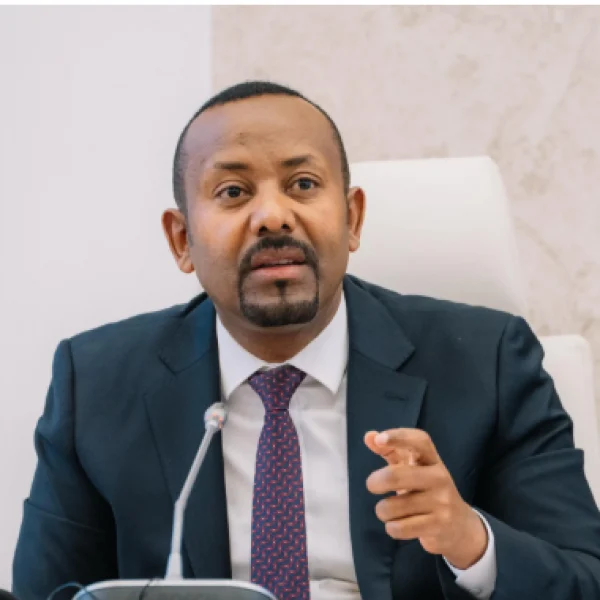
Addis Ababa – Ethiopia has moved a step closer to a sweeping constitutional overhaul after a weeks-long political dialogue endorsed creating a presidential system that could further entrench Prime Minister Abiy Ahmed’s authority.
- Advertisement -
Abiy, 50, has led the Horn of Africa nation of 130 million people since taking office in 2018.
His ruling party secured another overwhelming win in June elections, held against a backdrop of pressure on opposition figures and media outlets.
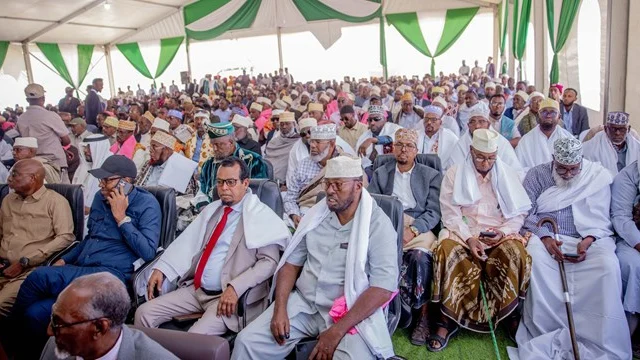
The vote was followed by a long-promised “national dialogue”, bringing together around 4,000 delegates to examine Ethiopia’s most difficult political questions, from entrenched ethnic divisions to persistent armed rebellions.
After more than a month of discussions, which concluded on August 22, delegates voted by a wide margin to support merging the prime minister’s post with the largely ceremonial presidency to establish a new “executive presidency”.
The proposal could reach parliament as early as October, when lawmakers return from recess.
Abiy did not attend the dialogue, but many Ethiopians expect he would assume the role if the change is approved, as the new president would be chosen by a parliament dominated by his allies.
Supporters argue the position would carry broader national legitimacy, speaking for all of Ethiopia’s ethnic communities rather than reflecting the current arrangement, under which Abiy holds office as an elected member of parliament from Oromia.
It would help build “a more unified country to overcome the challenges the country currently faces”, said Tiglu Melese, secretary-general of parliament’s upper house.
The dialogue further proposed cutting public funding for ethnic-based parties and shifting support toward “national” political organisations.
Opponents warn the package could give Abiy a path to concentrate power, drawing comparisons with Turkey’s Recep Tayyip Erdogan, who moved from prime minister to a newly established executive presidency in 2014.
“It would only allow the current prime minister to assume the executive presidency while effectively concentrating power in a single individual,” said political analyst Befekadu Hailu.
The search for peace remains urgent: Ethiopia faces sharp ethnic fault lines, with armed conflicts continuing in its two most populous states, Oromia and Amhara, and persistent concern that the 2020-2022 civil war in the northern Tigray region — which killed an estimated 600,000 people — could erupt again at any time.
Critics argue the dialogue — boycotted by major opposition parties and excluding armed groups — fell short of confronting those crises.
“It cannot ensure the two greatest needs of the country: durable peace and stability, and democratic governance,” said Merera Gudina, chairman of the Caucus of Opposition Parties, which stayed away from the dialogue.
The recommendations “should be complemented by peace negotiations between the government and the armed groups and opposition political parties to silence the guns”, added Naga Tesfaye, a peace-building expert who served as a facilitator of the dialogue.
Several issues triggered heated exchanges.
Delegates staged multiple walkouts over the status of Addis Ababa, the self-governing capital that the surrounding Oromia region claims as its own.
Still, some who took part described the dialogue as an unusual opening for public argument in a country long shaped by authoritarian politics.
“Bringing together groups with contending understandings of the Ethiopian state, for the first time ever, itself has been a successful exercise,” said Alamrew Yirdaw, a participant from the Amhara region.
Hirut Gebreselassie, deputy chief of the dialogue commission, told AFP: “I hope the contending issues concerning the Ethiopian state are gradually resolved, mutual suspicion among people is reduced, and peace is incrementally maintained as a result of the dialogue process.”