
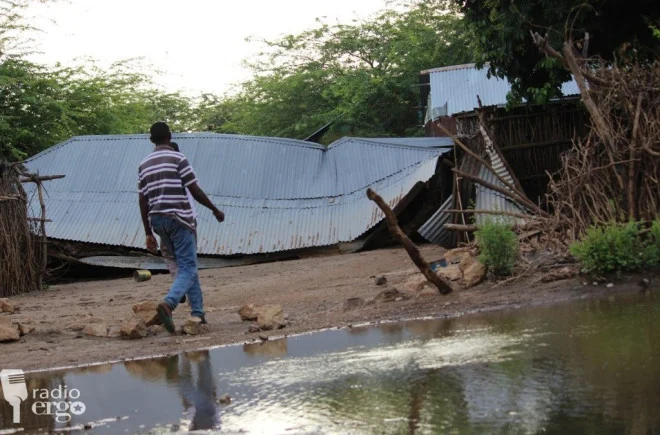
Rainstorms hit pastoral families in Somalia/ File Photo
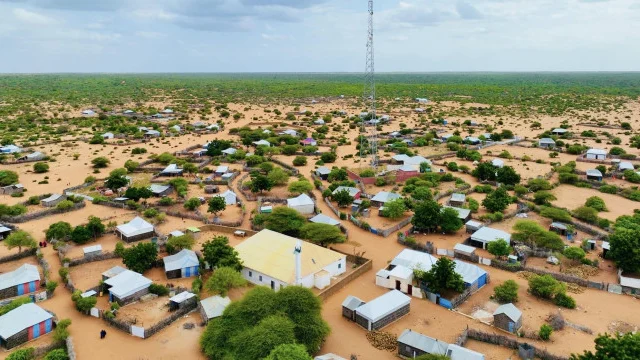
For families in El-Gal, a single storm has turned the struggle to recover from years of drought into a fight for daily survival. The sudden weather event that struck the rural village in Qandala, Somalia’s Bari region, last month has left hundreds of households unable to afford even one meal a day.
- Advertisement -
On 7 September, torrential rain, flash floods and powerful winds killed people and livestock, flattened hundreds of homes and damaged the livelihoods of families already living in poverty.
Abdimudalib Ahmed Mohamed, 18, is now caring for his eight younger siblings after their mother died when the family home collapsed during the storm. With no income, the family depends on the limited help neighbours can provide.
“Our family depended on what our mother brought home and we would not eat unless she provided for us,” he said. “Losing her left us without support. Poverty is the biggest obstacle to our recovery. We now survive on what people around us can give us, but they can’t provide much.”
The family is sheltering in a makeshift structure because they cannot afford to rebuild their two-room house. Before the disaster, Abdimudalib and his mother earned between $7 and $10 a day from a small business selling charcoal and raw meat. His 85-year-old father is unable to work.
“We have no strength or means to support ourselves except for what God may provide. The children are also suffering from stomach problems, which are affecting many children and older people in the town. There are no health services here, and we can’t afford to travel elsewhere for treatment,” he told Radio Ergo.
Abdimudalib abandoned middle school in 2023 when his family could no longer cover the cost of his education. His younger siblings are now facing a similar setback after Omar bin Abdulaziz Primary and Middle School in El-Gal was destroyed by the storm.
The school, the only one in the area, had 300 pupils. The local administration said reconstruction had yet to start. Even if the building is restored, Abdimudalib’s family would be unable to pay the $100 monthly fees for the four children who were enrolled there.
Pastoralists and households that rely on resin harvesting were also hit hard. Mahmoud Mohamed Abdikarim, who lives in the countryside near El-Gal, said the storm killed 20 goats, destroyed his home and damaged the frankincense trees that provide his family with a vital source of income.
“This disaster has affected us very badly. The water swept away everything,” he said. The destruction included many of the trees that had generated nearly $1,000 a year in frankincense sales.
Mahmoud borrowed money from shopkeepers to buy plastic sheeting for protection from the rain and has been searching for materials to use as bedding. “Everything is expensive in this village, with prices almost twice those in Bosaso. It is a remote village, and a vehicle travelling from Bosaso takes two nights to reach here,” he said.
The father of seven also lost a house he owned and rented out for $25 a month. With that income gone, feeding his family has become increasingly difficult:
“Only God can get us out of this situation. We depended on livestock and the resin trade, but our livestock have been affected by the storm and the drought. We need any help available, both in the rural areas and in the town.”
Mahmoud said the rain continued for six hours and arrived without warning during the dry season. He said residents had not been alerted to El Niño, which is forecast to bring heavy rain and strong winds to Somalia from October through the end of the year.
El-Gal deputy district commissioner Shire Abdullahi Said said three people and about 300 livestock died, while 150 homes collapsed. A local administration assessment found that 350 families in El-Gal and nearby rural areas had lost livestock, farms and small businesses that supported them.
“This area had already been affected by drought for a long time and was suffering from a lack of rain,” Shire said, noting that the prolonged dry conditions had also reduced local resin production.
“The drought affected the frankincense and resin-producing trees that people used to harvest, so what we relied on has become scarce. People are now facing similar hardships and there is little difference between their circumstances,” he said.
“In some places, people are still drawing water from the ground because the rain we received did not reach them. These are problems that we do not have the capacity to address.”
Shire said the storm struck as pastoralists were still struggling to recover from a prolonged drought that had weakened their livestock and left them especially vulnerable.