
The escalation of constitutional crises and political disputes that have plagued the country highlights the indispensable roles played by political leaders and the national military leadership during difficult times.
This profound perspective casts a spotlight on two pillars central to Somalia’s survival: politicians who make decisions and military officers entrusted with defending the country. Although both shoulder national responsibilities, their respective duties and burdens differ according to their constitutional obligations and professional standing.
1. The Somali Politician: Public service is a duty to society, not a pathway to personal interests
When the country’s political leader undertakes his day-to-day responsibilities, he is expected to use his knowledge and abilities to advance the public interest and save the country and its people. In any event, the true meaning of politics is not limited to occupying high office or participating in a functioning system of governance; rather, it is founded on a living conscience, far-reaching vision and accountability to the society he represents.
Society and the nation cannot do without effective political leadership, particularly when a government with full legitimacy has been established and state institutions are operating in accordance with an inclusive political agreement.
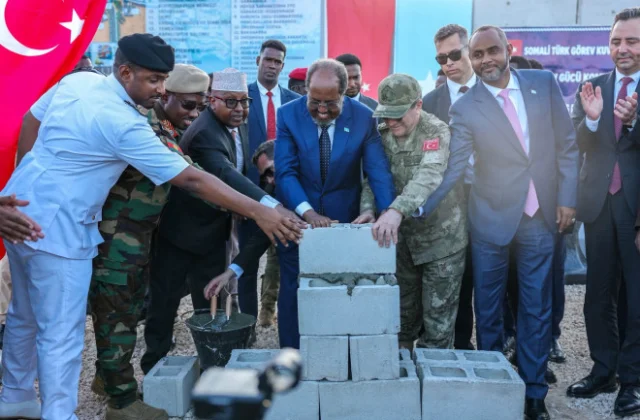
However, Somalia is today navigating a sensitive environment surrounded by serious disagreements over the basic law and the agreement on which consensual statehood was founded. Every politician currently standing alongside President Hassan Sheikh Mohamud must carefully assess the limits of the law and the consequences that may follow. Such a person faces one decisive question: Are you serving the nation and the public interest, or are you protecting your seat and personal benefit?
A truly patriotic leader is not known as someone who clings to office when circumstances become difficult; rather, he is the person who knows when it is appropriate to leave his position in order to safeguard the country’s existence and the interests of its people. Resignation, in many cases, is not an expression of despair or political failure; instead, it demonstrates a living conscience, firm resolve and genuine patriotism.
Therefore, every official currently in power must understand that the nation’s overall future carries greater weight than the office he holds. If it becomes clear that clinging to office is fueling further disagreement, social division and the destruction of the agreements on which the system of government was built, the most principled patriotic decision is to vacate the position.
2. The Somali Military Officer: The supremacy of the law outweighs personal will
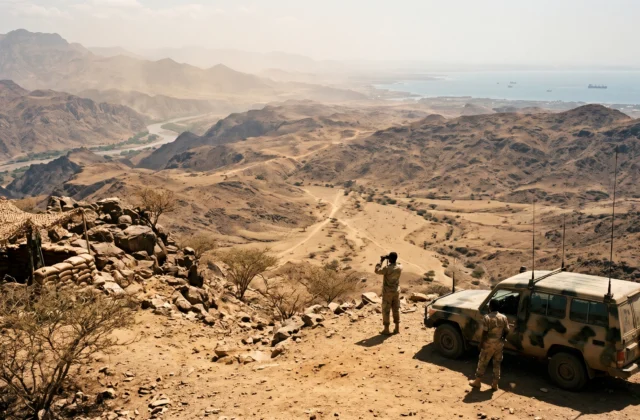
On the other hand, the Somali armed forces officer occupies a role entirely different from that of the politician. Military officers do not represent a party, a specific group or an individual, nor are they servants devoted to a particular clan or politician. They stand for the defence of sovereignty, territorial integrity and the protection of the general security of the Somali people.
When constitutional confusion and political rivalry erupt in the country, the military leadership bears a major responsibility: it must not blindly carry out orders without first verifying that they fully comply with the constitution and the laws of the country.
Although military discipline and professionalism are based on obedience and strict order, that status does not relieve an officer of his moral awareness or his legal responsibility. An unlawful order can never be legitimised simply because it came from an official sitting in an office.
The primary duty of a military officer is to ensure the country’s security and the safety of the Somali people. The force of the military must never be diverted into political rivalry, nor may it be used to support a particular clan or political faction. The national army stands above and is greater than political figures, clans and all temporary administrations.
Military officers must always remember that their oath and responsibilities are rooted in national sovereignty and the law, not in the individual occupying the seat of power at a given time. Their duty is to safeguard national freedom, the unity of the people and the constitutional institutions of the nation.
Conclusion: The country’s general interest is above office and clan identity
The two sides examined here—the politician and the military officer—have clearly defined professional roles, but they share one inviolable objective: rescuing and safeguarding the Somali nation.
A politician who values patriotism must keep in mind that responsibility is a heavy trust and that, at times, relinquishing office carries greater honour and weight than clinging to that position.
Likewise, an armed forces officer must remember that his weapon is not intended to defend an individual, a clan interest or a political group. It is a shield for defending the country’s sovereignty and the safety of Somali society; he must never allow himself to become an instrument for implementing political agendas or orders that violate the law.
Ultimately, Somalia does not need a politician who trades the country’s future for his seat, nor does it need an officer who subordinates the national army to the will of a political leader. It yearns for a politician willing to sacrifice his seat for the public interest and military officers willing to sacrifice their lives for the law and national sovereignty.
Somali national sovereignty will always stand above individuals, seats of power and the narrow interests of the clan.
[email protected]