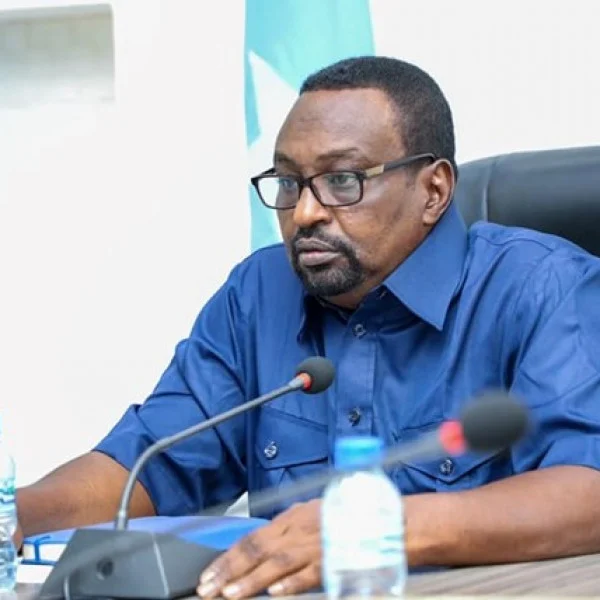
Somalia: Hirshabelle Vote Dispute Escalates as Vice President Opposes Hiiraan Poll
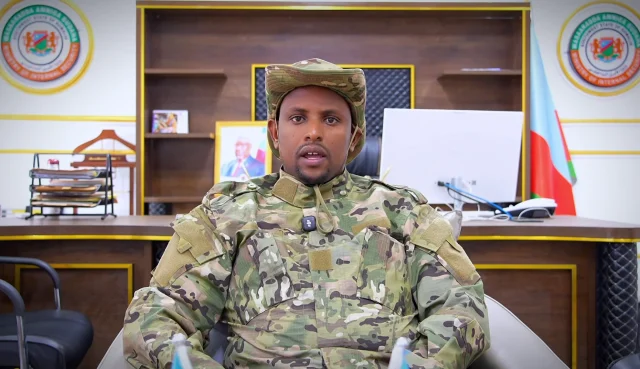
BELEDWEYNE, Somalia — Hirshabelle Vice President Yusuf Hagar Dabageed has rejected any election in Hiiraan until political leaders and local communities reach a broad agreement, warning that those who proceed without a settlement would be responsible for the consequences.
- Advertisement -
Dabageed said Hirshabelle’s electoral process must be preceded by extensive consultations with political stakeholders and residents.
He said the requirement applied across Hiiraan, insisting that no election should take place even in one village without a prior political agreement.
“The electoral process in Hirshabelle cannot continue in the way it is currently being conducted,” Dabageed said, cautioning anyone seeking to organise a vote before a political settlement is reached.
His statement comes amid mounting tensions over Hirshabelle’s electoral arrangements, including the question of who will lead the administration after the forthcoming elections.
Dabageed accused Somali President Hassan Sheikh Mohamud of abandoning an earlier understanding with the Hawadle clan over the leadership of Hirshabelle.
He said the arrangement involved giving the Hawadle consideration for the state’s leadership when the next political transition took place.
Although the vice president offered no further details about the alleged agreement, he said it had become a central issue in discussions about Hirshabelle’s political future.
He also urged members of the Hawadle community to consult widely on their political direction, arguing that the process should include those living in Somalia as well as members of the diaspora.
The dispute comes against the backdrop of broader tensions over Somalia’s electoral system, as federal and regional leaders remain divided over the process, political representation and the timing of elections.
Hiiraan has repeatedly emerged as a centre of political disagreement within Hirshabelle, with local leaders and communities calling for a greater role in the administration and in decisions surrounding elections.
Unless political actors reach an understanding with stakeholders in Hiiraan, Dabageed’s warning could make preparations for elections in the state more difficult.
The vice president did not propose a new timetable for the vote. Instead, he maintained that political consultations and consensus must come first.
His position underscores the wider challenge facing Hirshabelle, where federal officials and regional actors are seeking an electoral framework acceptable to rival political groups and the state’s constituent communities.
The federal government has continued preparations for elections in several parts of Somalia, but disagreements among political actors have repeatedly hindered the process.
The Hiiraan dispute is especially sensitive in Hirshabelle because of longstanding friction over power-sharing, political representation and the distribution of influence among the state’s communities.
Dabageed again called on the Hawadle to address the matter collectively, with consultations involving community members throughout Somalia and abroad.
The vice president’s comments indicate that the Hirshabelle electoral dispute is likely to remain a major political challenge until the federal government, state authorities and local stakeholders negotiate an agreement.
AXADLETM