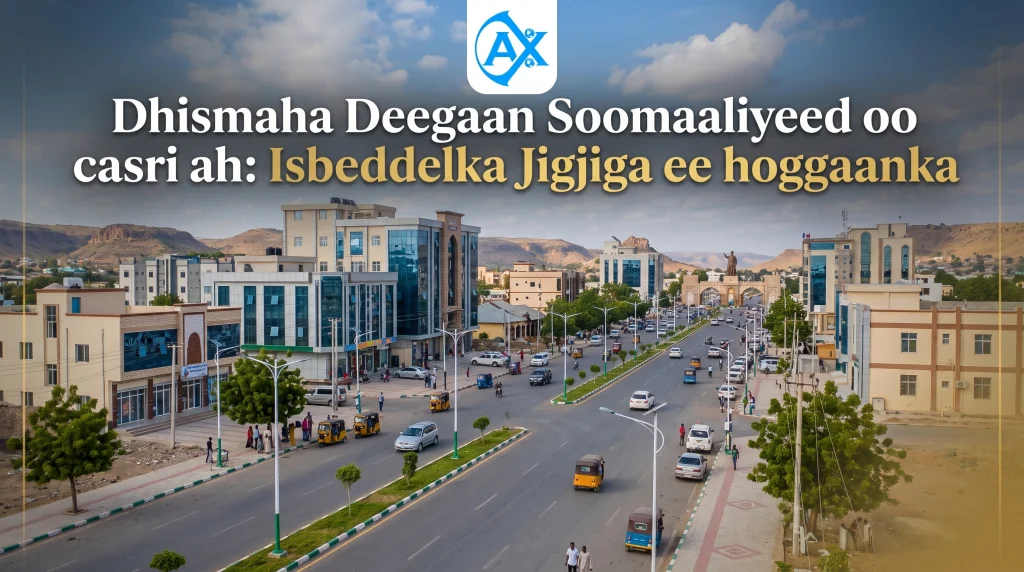
Jigjiga, the capital of the North Western State of Somalia in Ethiopia, is undergoing extensive reform and rapid development. Modern roads, attractive public squares, and major investments in water services and public infrastructure have completely transformed the city’s appearance, reflecting a clear regional goal: improving public services, creating broad economic opportunities, and securing a brighter future for its people.
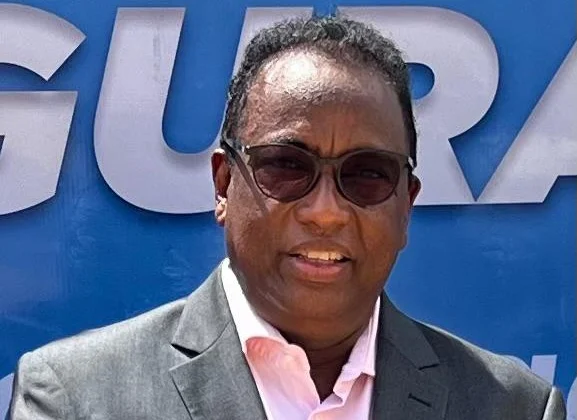
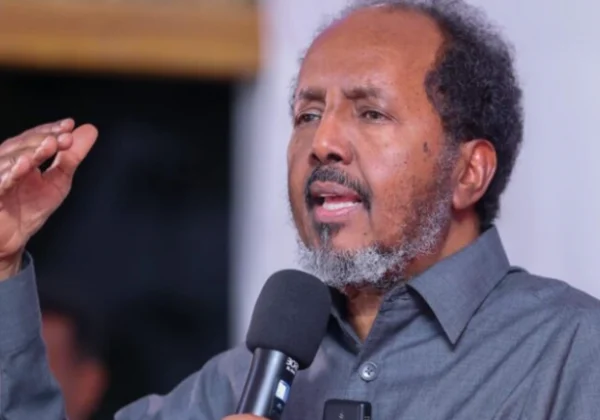
At the center of this historic transformation is the President of the North Western State of Somalia, H.E. Mustafe Muhumed Omar, widely known as Mustafe Cagjar, who has led the region since 2018. His long-term governance vision has made economic infrastructure the cornerstone of the development agenda, with visible results now emerging throughout the city and its surrounding areas.
- Advertisement -
What gives this development particular significance is its focus on people’s daily lives. The projects being implemented by the administration are not limited to construction; they are intended to ensure that citizens have access to basic services, can travel safely, create livelihoods, and participate fully in community life.
Jigjiga: The City’s New Look
Jigjiga’s main roads are the clearest symbols of its modern redevelopment. In February 2025, the Ethiopian News Agency reported on a plan to build roads stretching 30 kilometers, with the first 10-kilometer phase expected to create substantial employment opportunities and improve connectivity within the city.
These infrastructure projects have significantly eased traffic movement, encouraged local businesses, and improved access to schools, health centers, and government services. Renovated recreational areas and public squares have given the city a new and attractive appearance, enjoyed equally by residents and visitors.
At the same time, strengthening access to clean water has been given particular priority. The opening of the second phase of the Jigjiga City Water Supply Project in July 2024 marked a major step toward meeting the needs of this rapidly growing city. Continued investment in this service is ensuring that every household has access to reliable water, complementing the vision of a city with modern roads, accessible services, and a high standard of living.
Infrastructure Equity: A Personal Observation
During a visit to Jigjiga in mid-January 2026, I was deeply impressed by the way the city’s two main roads had been designed to serve all members of the community. In particular, I observed features and pathways intended to facilitate movement for people with visual impairments who use white canes—an essential measure that remains rare in many cities across the region.
As an advocate for the rights of people with disabilities, this initiative inspired me deeply. It is evidence of inclusive leadership that recognizes every citizen’s right to move freely and safely. Pedestrian routes designed for people with disabilities enable them to reach their workplaces, schools, public service centers, and community spaces with dignity and independence.
This achievement provides a strong foundation for further progress. By establishing formal standards for road layouts, pedestrian routes, and government buildings, while working closely with organizations representing people with disabilities, the administration could make Jigjiga a model for inclusive urban design in Ethiopia and across the Horn of Africa. Measures such as unobstructed walkways, tactile ground-surface indicators, safe access routes, and properly planned ramps incorporated into budgets from the outset would extend this good example to every future project.
Godey: Linking Infrastructure and Community Livelihoods
The administration’s vision extends beyond the capital city. Located near the Shabelle River, Godey has significant agricultural potential and serves as a vital foundation for the livelihoods of people living in the surrounding areas.
In May 2026, the regional government inaugurated a 3.3-kilometer paved road in Godey at an estimated cost of 371.1 million Ethiopian birr, easing the movement of people and vehicles and improving access to public service centers. In addition, a major water supply project completed in 2022 expanded the city’s water distribution network, benefiting more than 100,000 people.
Investment in agriculture is also opening new opportunities. The West Godey Irrigation Scheme, launched in January 2025, is designed to irrigate up to 10,000 hectares of farmland. In April 2026, the World Food Programme and its partners launched an initiative in Godey to use solar power for agricultural irrigation, with the aim of increasing production and strengthening community resilience.
Together, these projects demonstrate a clear understanding that infrastructure development must connect urban growth with rural economic resources. Quality roads are helping farmers reach markets, reliable water is improving household welfare, and irrigation systems are enabling farmers to increase their incomes and strengthen food security. If accompanied by good governance, these projects will bring significant benefits to future generations.
The Future: A Vision Based on Inclusive Development
The initiatives implemented in Jigjiga and Godey have created a strong foundation. Building on the current momentum, the administration has important opportunities to move forward:
• Integrating disability needs: Expanding the accessible facilities introduced in Jigjiga to all new roads, pathways, and public facilities across the region.
• Community participation: Strengthening cooperation among the government, the public, and organizations representing people with disabilities when planning future projects.
• Sustainable services: Protecting progress in water and infrastructure through consistent systems of maintenance.
• Regional expansion: Extending the benefits seen in Jigjiga and Godey to smaller towns and rural areas.
• Transparency: Sharing project progress and results with the public to strengthen citizens’ trust and the administration’s commitment to openness.
Under the leadership of H.E. Mustafe Muhumed Omar, the North Western State of Somalia has demonstrated what determined governance can achieve and is now ready to take this progress to its next stage.
Conclusion
The transformation underway in Jigjiga and the extensive investments in roads, water, and agricultural irrigation in Godey are evidence of an administration committed to improving the lives of people in the North Western State of Somalia in Ethiopia. These initiatives are raising service standards, supporting businesses, and expanding the economy. My visit in January 2026 left me with a lasting impression: this is genuine development that recognizes the abilities of all people. The specially designed access routes for people with special needs on Jigjiga’s roads are a clear example of inclusive leadership grounded in action.
True development is measured by its impact on people’s daily lives: families gaining access to clean water, growing businesses, farmers reaching markets with greater ease, and people with disabilities traveling freely and safely. By that measure, the North Western State of Somalia is moving in the right direction. With the long-term vision of H.E. Mustafe Muhumed Omar, Jigjiga, Godey, and the region as a whole can aspire to a future of prosperity and equal opportunity for all its people.
By Mohamed Amin Mohamud
Mohamed Amin Mohamud is a human rights advocate and commentator on governance and public services.