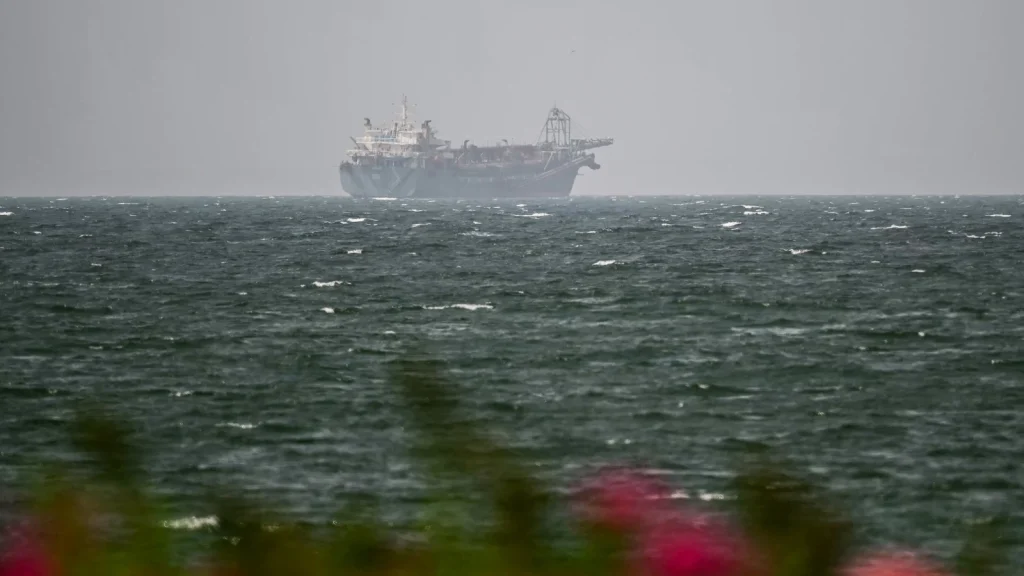
Iran and Oman have agreed on a shipping route through the Strait of Hormuz and are working to finalise a system for jointly managing the strategic waterway, Tehran said, as new security incidents underscored the dangers still facing vessels in the region.
The arrangement could mark an initial move towards reopening the vital energy corridor. But Iranian officials briefing state media said any relaxation of restrictions would depend on the United States lifting its naval blockade of Iranian ports.
- Advertisement -
Iran has maintained de facto control over the strait and warned ships against using routes it considers unauthorised since the US and Israel began their war against the country on 28 February.
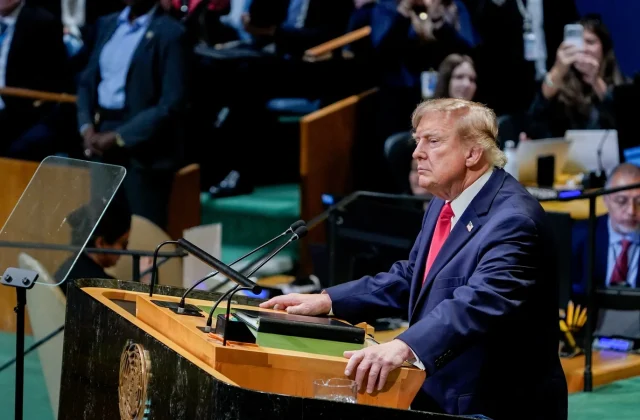
US President Donald Trump has repeatedly said Tehran wants to reach an agreement to reopen Hormuz. Iran has rejected that claim, insisting it will work instead with Oman, its neighbour on the opposite side of the strait.
US Vice President JD Vance blamed Iran for the impasse
Mr Baqaei told reporters that discussions with Oman were progressing, but cautioned that even an agreement would not guarantee safe passage for every vessel using the strait.
“The factors making the Strait of Hormuz insecure still exist on the part of the United States, particularly the naval blockade and other aggressive and threatening actions against Iran and its interests,” he said.
The continuing danger was highlighted by an oil tanker captain who reported hearing two explosions while sailing through the strait, 17km south-east of Kumzar in Oman, according to Britain’s maritime security agency UKMTO yesterday. The vessel and its crew were unharmed.
Separately, Yemen’s Houthis said they had attacked two Saudi oil tankers, bringing to eight and nine the number of vessels targeted since the group began its blockade of the kingdom last month.
Military spokesman Yahya Saree said missiles struck the tanker Wafa off Yanbu in the northern Red Sea and the tanker Daisy in the Gulf of Aden.
Saudi authorities did not immediately respond.
‘Fractured system’
Before the conflict, the Strait of Hormuz handled roughly one-fifth of global oil and LNG exports. Oil prices have surged repeatedly since the dispute over the waterway began, increasing economic and political pressure on Washington.
US Vice President JD Vance admitted that diplomacy with Iran was moving more slowly than hoped, attributing the delays to divisions within the country’s leadership.
“It’s going to be messy and it’s going to take some time to get there,” Mr Vance told Fox News in an interview broadcast yesterday.
“The reality… is that number one, the Iranians are extraordinarily difficult people. Number two, they have a fractured system,” he said.
Entrances to both the Persian Gulf and Red Sea, key energy routes, have been disrupted by the war
Since imposing what amounts to a blockade of the strait, Iran has directed ships towards a passage running close to its coast.
Many vessels have instead opted for the southern route, keeping near Oman on the other side of the waterway, though some have occasionally come under fire.
Iran is seeking control of the strait and the authority to impose tolls—powers it did not hold before the war and which Washington would strongly resist.
Mr Trump followed a familiar pattern last week by threatening to strike Iran “very hard”, including possible attacks on civilian infrastructure, before backing away and suggesting that an agreement could be close.
Iran’s foreign ministry, however, denied that talks with Washington were under way.
Read more:Latest Middle East Stories