Mogadishu (AX) — Renewed fighting in Baidoa is deepening Somalia’s humanitarian emergency, prompting the United Nations to demand an immediate halt to the escalation and renewed protection for civilians.
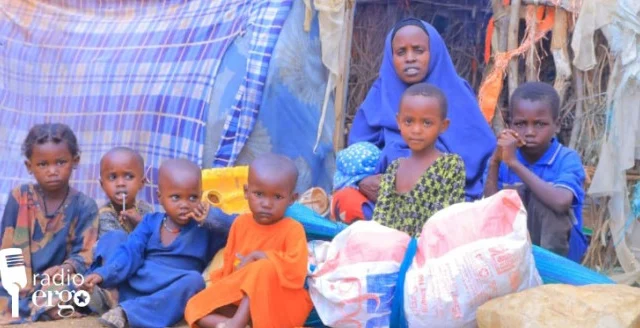
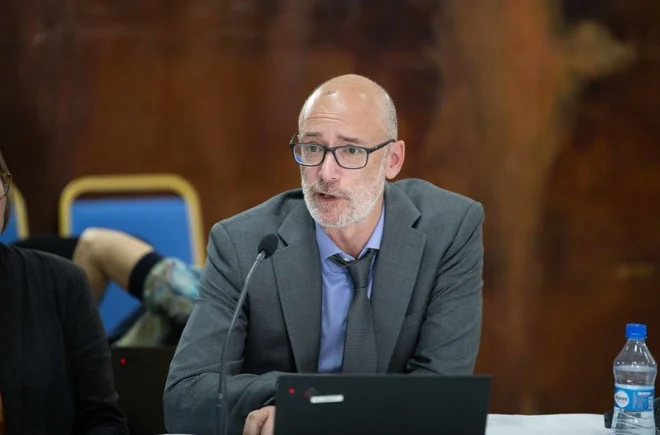
George Conway, the U.N. resident and humanitarian coordinator for Somalia, said Thursday that clashes in the South West State capital were placing an especially heavy burden on displaced families, women, children, older people and people with disabilities.
- Advertisement -
“I am gravely concerned by the escalating violence in Baidoa, South West State, which is taking a heavy toll at a time of exceptionally high humanitarian needs,” Conway said in a statement.
He called on all sides to show restraint, safeguard civilians and civilian facilities, and ensure humanitarian groups can reach people in need safely and without obstruction.
“The protection of civilians must remain paramount. I call on all parties to immediately de-escalate tensions, exercise maximum restraint and take all necessary measures to prevent further violence and protect civilians from harm” Conway said.
The appeal follows repeated bouts of fighting in Baidoa since August.
Médecins Sans Frontières (MSF) said clashes on Sept. 28 killed at least three people and sent 69 wounded people, including five children, to Bay Regional Hospital. The organization said a health facility was severely damaged, an ambulance was looted and a healthcare worker was killed.
UNICEF subsequently said children had been killed and injured and that a health facility had sustained damage, but it did not release casualty figures.
Conway said the continuing insecurity was driving additional families from their homes while interrupting access to health care, food aid and other vital services.
“Hospitals, health facilities, schools and other civilian infrastructure must be respected and protected at all times,” he said, adding that attacks on medical facilities are prohibited under international humanitarian law.
The clashes come as Baidoa confronts some of Somalia’s most dangerous food-security conditions.
The latest Integrated Food Security Phase Classification assessment estimates that about 26,000 internally displaced people in Baidoa could experience catastrophic hunger between October and December. In a worst-case scenario involving severe flooding, further displacement and reduced humanitarian assistance, those communities could face the risk of famine.
Nationwide, about 5.4 million people are projected to experience crisis-level hunger or worse during the final three months of 2026, including nearly 1.5 million people facing emergency levels. About 1.92 million children under 5 are expected to need treatment for acute malnutrition between July 2026 and June 2027.
Baidoa has for years served as one of Somalia’s largest hubs for internally displaced people, including families who escaped conflict and recurring droughts in other parts of southern Somalia.
Conditions may deteriorate further during the October-to-December Deyr rainy season.
The Food and Agriculture Organization (FAO) has cautioned that strengthening El Niño conditions could produce above-normal rainfall across large parts of central and southern Somalia. In some areas, the probability of wetter-than-normal conditions is as high as 90%. Severe flooding could cause further displacement and make access to food, health care and humanitarian assistance more difficult.
Conway said humanitarian agencies remained determined to support vulnerable communities but warned that ongoing combat could obstruct their work.
“I call on all parties to ensure the safety and security of humanitarian personnel and humanitarian assets, and to facilitate safe, rapid and unimpeded humanitarian access throughout Baidoa,” he said.
The latest violence forms part of a months-long political and military dispute in South West State involving federal and regional forces, as well as fighters loyal to former regional President Abdiaziz Hassan Mohamed Laftagareen.
Federal and current South West authorities have accused forces aligned with Laftagareen of working with al-Shabab. His group rejects the accusation and says it is fighting to restore what it regards as the region’s legitimate administration.
The rival claims have not been independently verified.