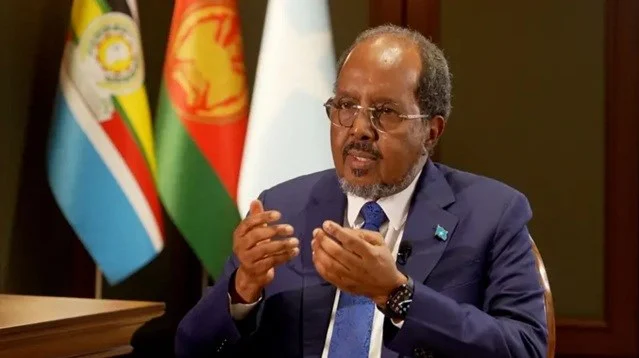
The return of Hirshabelle’s leader to the political stage has sparked intense debate over power-sharing, favoritism based on family ties, and the nature of leadership within Somalia’s federal system. The circumstances surrounding his comeback, particularly allegations that he received support from Somalia’s president, to whom he is closely related, have prompted widespread discussion about how personal interests and family connections influence leadership and governance in the country.
His campaign slogan, “I have it, and I will keep it,” carries a powerful political message, conveying firm confidence in maintaining and holding on to power. To his supporters, the phrase reflects political continuity, strong determination and complete confidence in their candidate. Critics, however, view it as a warning that public office is being treated as a personal interest rather than a national responsibility, or as a position over which groups with shared vested interests are competing to retain control.
- Advertisement -
Family Ties and Their Impact on Politics
Somalia’s political process has long been built on negotiations and consensus among federal leaders, regional administrations, clan elders and politically influential networks across the country. Within this political environment, blood and family ties attract particular public attention when individuals from the same family occupy the highest decision-making positions in government.
If the claim that the federal president facilitated his cousin’s political comeback proves to be true, it would raise legitimate questions about the boundary between personal relationships and the fulfillment of public duties. The appointment to positions and the transfer of leadership should be based on constitutional procedures, the legitimacy of state institutions and the public interest, rather than being shaped by family interests and nepotism.
Nevertheless, allegations of favoritism and abuse of power should be assessed on the basis of credible and verifiable evidence, including written political agreements, official statements and the legal process followed in assuming leadership.
Leadership Beyond the Campaign Slogan
The slogan “I have it, and I will keep it” also opens the door to genuine accountability regarding governance. In modern democratic practice, the most important issue is not merely whether a leader can remain in office; rather, the true measure is whether the leader delivers tangible results that improve the lives of the community.
The people of Hirshabelle are entitled to reliable security, quality social services, economic infrastructure development, business and employment opportunities, and transparent governance for which leaders can be held accountable. Political leaders should be judged by how they address these fundamental needs, rather than by their ability to build alliances or mobilize political support.
A campaign built around retaining and holding on to power must ultimately be justified through governance that serves the public. If that does not happen, the retention of power becomes a personal objective rather than a means of improving the lives and future of citizens.
Conclusion
The political comeback of Hirshabelle’s leader provides an opportunity for a deeper examination of the relationship between nepotism, the influence of the federal government and regional leadership in Somalia. The slogan “I have it, and I will keep it” has revealed a strong desire to retain power, but it also raises a fundamental question: Is governing power grounded in public confidence and the legitimacy of constitutional institutions, or does it rest on the use of personal networks and alliances driven by vested interests?
The answer to that question must be based on credible evidence, a transparent political process and an assessment of actual performance during the time in office. Ultimately, the people living in Hirshabelle deserve leadership that gives priority to the public interest, transparency and respect for the law, while avoiding the use of power for personal gain.