Somalia maintains neutrality as Ethiopia-Eritrea tensions intensify
MOGADISHU, Somalia — Somalia says it is staying out of the escalating dispute between Ethiopia and Eritrea, insisting that its diplomatic ties with both countries remain unchanged as fears grow that renewed fighting could destabilize the wider Horn of Africa.
- Advertisement -
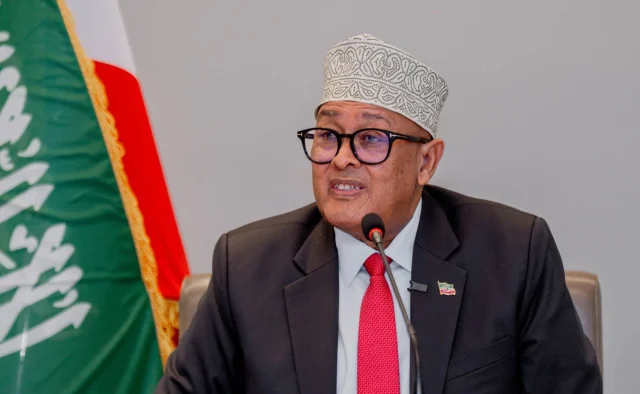
Hassan Mohamed Ali Nadaara, Somalia’s deputy foreign minister, told the BBC that Mogadishu’s policy was rooted in peace, neutrality and the preservation of relationships with countries across the region, many of which have shared political, economic and security interests with Somalia.
Somalia does not want to be drawn into regional disputes, Nadaara said, but is monitoring developments closely and working to prevent existing conflicts from spreading beyond their borders.
“Somalia is neutral on this matter,” Nadaara said, stressing that Mogadishu’s relations with the countries concerned had not changed.
His comments followed Somali President Hassan Sheikh Mohamud‘s participation in a four-way summit in Egypt on Oct. 4 with the leaders of Egypt, Eritrea and Sudan, as relations between those countries and Ethiopia have grown increasingly strained.
The summit took place in the Egyptian coastal city of Alamein, where the leaders issued a joint statement reaffirming the sovereignty and territorial integrity of countries in the region. They also said that responsibility for managing the Red Sea should rest with the states that border it.
The discussions included long-running disputes over the Nile River. The leaders backed positions opposing unilateral measures that could threaten the interests of Egypt and Sudan, which have been locked in a protracted disagreement with Ethiopia over the Grand Ethiopian Renaissance Dam on the Blue Nile.
Somalia’s participation prompted questions about whether Mogadishu had abandoned its neutral position, particularly because several issues on the summit’s agenda involve disputes between Ethiopia and the other attendees.
Nadaara dismissed suggestions that Somalia had taken Egypt’s and Eritrea’s side. He said the Somali government was entitled to maintain diplomatic ties and conclude agreements with different countries without endorsing their positions in disputes with one another.
He said relations between Somalia and Ethiopia remained stable. Ethiopian troops are still serving in Somalia as part of the African Union’s security mission and continue to cooperate with Somalia’s federal authorities, he added.
The deputy minister spoke after Somali media reported that Ethiopia might pull its troops out of Somalia following renewed fighting in the country’s northern regions. Nadaara said Mogadishu had received no official communication confirming that Ethiopia planned to withdraw its forces.
He nevertheless acknowledged that any further escalation in Ethiopia could affect Somalia’s economy, security and cross-border movement. The two countries share a border and maintain close economic and security links.
Tensions between Ethiopia and Eritrea have risen in recent days. Addis Ababa has accused Asmara of deploying troops to Ethiopia’s Tigray region and backing armed groups opposed to the federal government, while insisting that Ethiopia has the right to defend its territory against threats.
Eritrea has rejected the accusations, arguing that Ethiopia is searching for a justification to launch military action. Both governments have presented their concerns to the United Nations Security Council.
The dispute has revived fears that violence in northern Ethiopia could develop into a direct conflict between the neighboring states. Such a confrontation could also threaten the 2022 Pretoria peace agreement that ended a two-year war in Tigray.
The United Nations and the African Union have called for restraint and urged the parties to settle their differences through dialogue.
A wider war would carry major consequences for the Horn of Africa, a strategically important region where competing security concerns, commercial interests and rivalry over access to the Red Sea have placed additional pressure on relations among neighboring countries.
AXADLETM