
NAIROBI, 22 September 2026 – A rapidly worsening food emergency could leave about 8 million children in East and Southern Africa facing acute hunger by early 2027, a 30% increase, as one of the strongest El Niño weather events in recent years intensifies pressure on already fragile communities, Save the Children warned in a new analysis.
About 8 million children across East and Southern Africa could be pushed into acute hunger by early 2027, a 30% rise, with one of the most powerful El Niño events seen in recent years helping drive a deepening regional food crisis, according to Save the Children.
- Advertisement -
An analysis of the latest figures from the global hunger tracking system, the Integrated Food Security Phase Classification (IPC), shows that the number of people facing crisis levels of hunger or worse (IPC Phase 3+) in six countries is projected to climb from 12.6 million to 16.4 million by March 2027, driven in part by the expected effects of the looming “Super” El Niño.
Six million children in those six countries are already living with severe food shortages [1], Save the Children said, warning that the number could rise to eight million within months unless urgent measures are taken.
The agency said its review was limited to countries with recent IPC reports where El Niño is expected to cause severe disruption: Madagascar, Malawi, Mozambique, Zambia, Uganda and Kenya. Updated hunger figures are expected soon for Somalia, which has already been identified as being at risk of El Niño-related flooding.
Uganda is expected to record the largest number of people facing acute food insecurity in the coming months, with 4.4 million people projected to experience crisis levels of hunger or worse by early 2027 — a 22% increase on previous estimates. Conditions are especially severe in the Karamoja region of northeastern Uganda, where the number of people facing crisis or emergency food insecurity has risen by more than 40%.
Zambia is projected to see the steepest decline, with the number of people facing crisis-level hunger expected to jump by 80% to more than 1.2 million. Madagascar, Mozambique and Malawi are forecast to record increases of 75%, 55% and 35%, respectively.
Kenya’s overall food security outlook is expected to improve by the start of 2027 after worsening this year, but refugees in the country are likely to face deteriorating conditions because of El Niño-related flooding.
In Mozambique, the warning comes as many communities in central provinces are still rebuilding after severe floods earlier this year, while conflict-driven displacement in Cabo Delgado continues to strain access to food, water and health services.
In Madagascar, about 502,000 children under the age of 5 — or one in 10 — are expected to suffer acute malnutrition between May 2026 and April 2027. That figure includes about 78,000 children likely to experience severe acute malnutrition, the deadliest form of malnutrition and one that requires urgent medical treatment [2].
The worsening hunger crisis across much of the region is being fuelled by one of the strongest El Niño weather events in recent years, alongside record-breaking global temperatures — a dangerous combination expected to bring drought, crop failures and livestock losses to parts of Southern Africa.
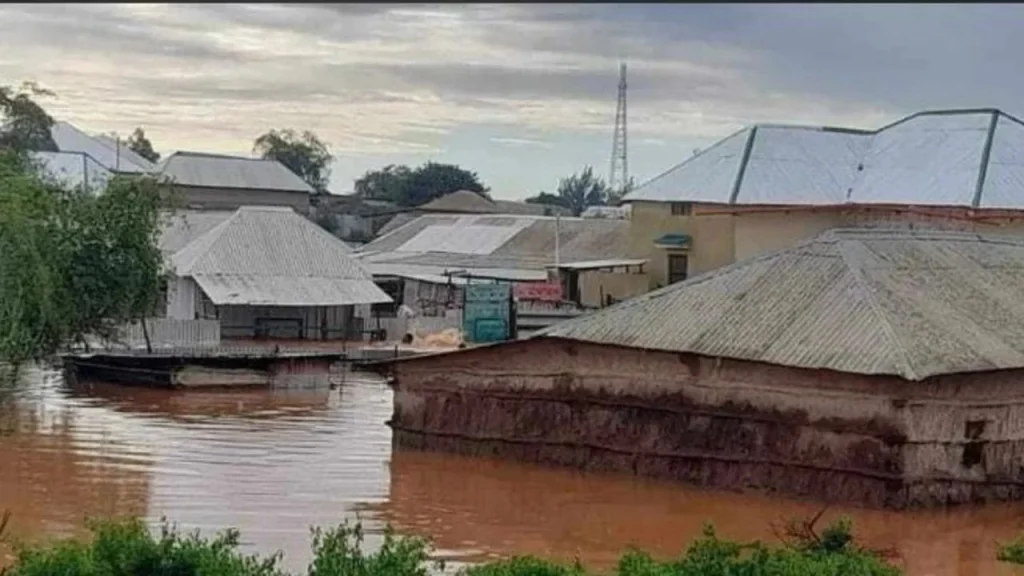
At the same time, El Niño is expected to trigger destructive floods in parts of East Africa, driving families who are already vulnerable further into crisis.
Save the Children said El Niño is arriving amid conflict, hunger, displacement, economic instability and cuts to humanitarian funding. Without early action, the agency warned, climate shocks are likely to worsen existing hardship and increase humanitarian needs, particularly for children and their families.
Yvonne Arunga, Regional Director for Save the Children in East and Southern Africa, said:
“Hunger is not just about empty stomachs. Children who do not have enough nutritious food are more likely to become malnourished, fall ill, miss school and face increased risks of exploitation and abuse. The longer families go without support, the harder it becomes for children to recover.
“When families’ livelihoods are destroyed by floods or drought, children may face greater risks of child labour, trafficking, neglect, violence, forced early marriage, and other forms of exploitation.
“We know El Niño is coming. We know which children are most at risk. And we know that anticipatory action works. Governments must turn early warnings into early action to protect essential services like schools, hospitals, water and social protection systems, before the crisis hits. The international community and donors must invest now, before droughts, floods and food crises escalate. Every dollar spent helping communities prepare and act early can save lives, protect livelihoods, and reduce the need for much larger humanitarian responses later.”
Save the Children said it has made significant investments in anticipatory action, taking practical steps before forecast shocks occur to limit the damage to children and communities. Across the region, the organisation is supporting families to prepare for floods, storms and droughts through child-focused early warning information, evacuation planning, stronger community preparedness and anticipatory cash assistance that helps households get ready for disasters.
The agency is also strengthening health facilities, schools and water systems so they are better able to withstand floods, droughts and other climate-related shocks.
Ends.
READ THE ORIGINAL STORY HERE