
Somalia’s system of governance and elections is unique, shaped by the country’s political and social circumstances over recent years. Understanding how elections are conducted in the country is important for anyone seeking to follow how leaders are selected and how power within the federal government is distributed.
In this article, we will explain clearly and in depth how Somalia’s electoral system works, the different stages it goes through, and the reasons why this approach has been adopted.
- Advertisement -
What Is Somalia’s Electoral System?
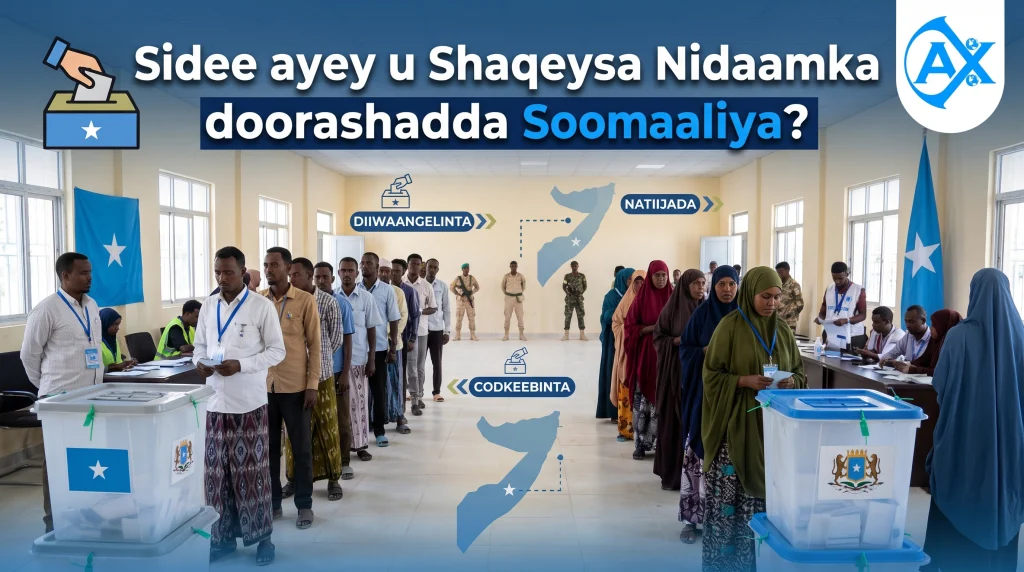
Somalia’s current electoral system is generally an indirect election system. This means that ordinary citizens do not directly elect the president or members of parliament at the ballot box. Instead, representatives and delegates representing the community elect parliament, after which parliament elects the president of the country.
This system relies on political agreements and a clan-based power-sharing arrangement among Somali communities, designed to ensure that all sections of society have fair representation in decision-making institutions in Muqdisho.
A Brief History and Background of the System
Following the collapse of the central government, Somalia entered a difficult period that led to the loss of constitutional institutions. To restore governance and the constitutional system, several reconciliation conferences resulted in the establishment of a consensus-based system.
Because the country lacked a reliable official census and the full security conditions needed to quickly hold a one-person, one-vote election, Somali leaders adopted a temporary indirect system that distributes power through consultation and negotiation.
Key Elements of the Electoral System
Somalia’s federal electoral process goes through several successive stages, including:
- Election of the Upper House: The parliaments of the country’s federal member states, such as Puntland, Jubaland, Galmudug, Hirshabelle, and South West State, elect members of the Upper House who represent their respective areas. Members representing the regions of the North Western State of Somalia are also elected through a special, agreed-upon arrangement.
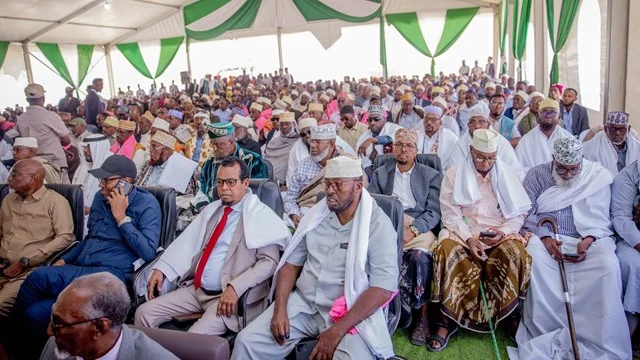
- Election of the House of the People: Members of the House of the People are elected by special delegates drawn from Somalia’s clans. These delegates are selected by traditional elders and civil society organizations, while seats are contested in various cities across the country, including Kismaayo, Baydhabo, Jowhar, Garoowe, and other centers.
- Election of the Parliamentary Leadership: Once the members of both houses have been finalized, they elect the speakers and deputy speakers of the two chambers of the Federal Parliament.
- Election of the President: Finally, the two houses sitting jointly elect the President of the Federal Republic of Somalia. The winning candidate must secure a clear majority of the votes.
The Importance of This System to the Country
Although the indirect electoral system has its critics, it has played an important role in the country’s stability for the following reasons:
- Preserving Coexistence: The system ensures that different clans and regions receive designated seats, reducing fears that one side could monopolize power.
- Peaceful Transfer of Power: This system has enabled power to be transferred peacefully between successive Somali presidents on several occasions, setting a positive example for the region.
- Linking Federal Member States and the Central Government: The system is based on close cooperation between the administrations of Puntland, Jubaland, Galmudug, Hirshabelle, South West State, and the central government based in Muqdisho.
Frequently Asked Questions (FAQ)
1. Who is eligible to vote in Somalia’s indirect elections?
Indirect elections are conducted by selected delegates comprising representatives of clans, young people, women, and civil society, as these are not direct elections in which the entire public votes.
2. What role do traditional elders play in elections?
Traditional elders play an important role in verifying and selecting the delegates who vote for parliamentary seats, ensuring that the delegates genuinely represent the clans to which the seats belong.
3. Is there a plan for Somalia to transition to direct elections (one person, one vote)?
Yes. All government institutions and the country’s laws aspire to see Somalia achieve direct, one-person, one-vote elections, allowing every Somali citizen the right to personally cast their ballot.