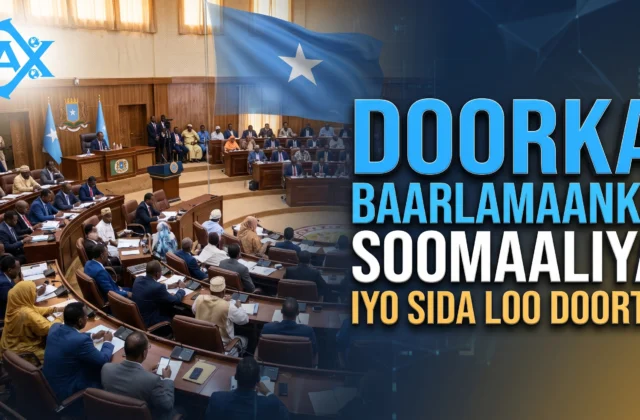
Modern statehood and the democratic process rely fully on public trust and the transparent management of national affairs. To establish a fair system that promotes stability and the peaceful transfer of power, the existence of an independent institution that remains neutral in political competition is always central. The National Electoral Commission is the official institution mandated to safeguard citizens’ constitutional right to choose their representatives and to stand for election.
What Is the National Electoral Commission?
The National Electoral Commission is an independent constitutional institution tasked with organizing, managing, supervising, and implementing all activities related to elections at the national and regional levels. The commission is established under a law that defines its powers, responsibilities, and overall structure.
The commission’s primary purpose is to eliminate bias, fraud, and political interference by competing parties. Commission members are generally expected to be individuals known for their knowledge, integrity, impartiality, and national loyalty, so that the entire public can trust the results emerging from the ballot box.
The Importance of the Commission to the Nation
The existence of a strong and transparent electoral commission offers numerous benefits that affect the country’s political life, security, and social development:
-
- Preserving Peace and Stability: Fairly managed elections reduce political unrest and disputes arising from contested results, as contestants trust the process.
-
- Building Public Trust: When citizens see that their votes matter and are counted accurately, they participate fully in matters of governance.
-
- Ensuring Genuine Representation: The commission ensures that all areas of the country, including Mogadishu, Kismayo, Baidoa, Jowhar, Garowe, Bosaso, Hargeisa, Zeila, and the administrations of Puntland, Jubaland, Galmudug, Hirshabelle, South West State, and the North Western State of Somalia, have an equal opportunity to cast their votes.
-
- Advancing the Rule of Law and the Constitution: It helps ensure that the country is governed by sound laws and that individuals cannot unlawfully extend their hold on power.
Key Responsibilities of the Commission
The responsibilities of the National Electoral Commission are not limited to election day; they consist of extensive plans that require considerable time. The key responsibilities include:
-
- Voter Registration: Preparing official records of citizens eligible to vote so that every qualified person can obtain a voter card and fraudulent voting can be prevented.
-
- Registration of Political Parties and Candidates: Establishing requirements and verifying that political parties and contestants have fulfilled the country’s electoral laws.
-
- Public Awareness: Educating the public on how to vote, the importance of their votes, and how the elections will be conducted so that everyone understands their rights.
-
- Managing Logistics and Polling Stations: Delivering ballot papers, ballot boxes, and other election materials to all villages, districts, and cities across the country while ensuring their security.
-
- Counting and Announcing the Results: Ensuring that votes are counted in the presence of domestic and international observers and party representatives, and then officially announcing the final results.
Common Challenges Related to Elections
Although the commission has constitutional authority, it commonly faces inherent challenges that require continuous solutions. These include the need for sufficient funding to carry out extensive operations, managing security during sensitive periods, and developing the technical infrastructure needed to ensure a high level of transparency. It is also essential for the commission to preserve its independence at all times so that it does not become entangled in competing political interests.
Frequently Asked Questions (FAQ)
1. Can the commission make a politically biased decision?
No. The National Electoral Commission is required by law to remain impartial. Commission members are not permitted to belong to a political party or support a particular candidate while they are in office.
2. How is it ensured that elections are free and fair?
This is ensured through a transparent system monitored by independent observers, representatives of competing parties, and the media, with votes counted in the presence of those at the polling stations.
3. What role does the public play in the success of the Electoral Commission?
The public plays a major role by participating peacefully in registration and voting, respecting the law, and avoiding anything that could undermine stability and the smooth conduct of the election.