South Africa’s president has urged regional governments to work together on migration after a wave of anti-foreigner protests drove tens of thousands of people out of the country.
More than 176,000 foreign nationals have left in recent weeks, according to an AFP tally compiled from figures provided by the African governments involved. The departures followed weeks of demonstrations by populist groups calling on undocumented migrants to leave by 30 June.
- Advertisement -
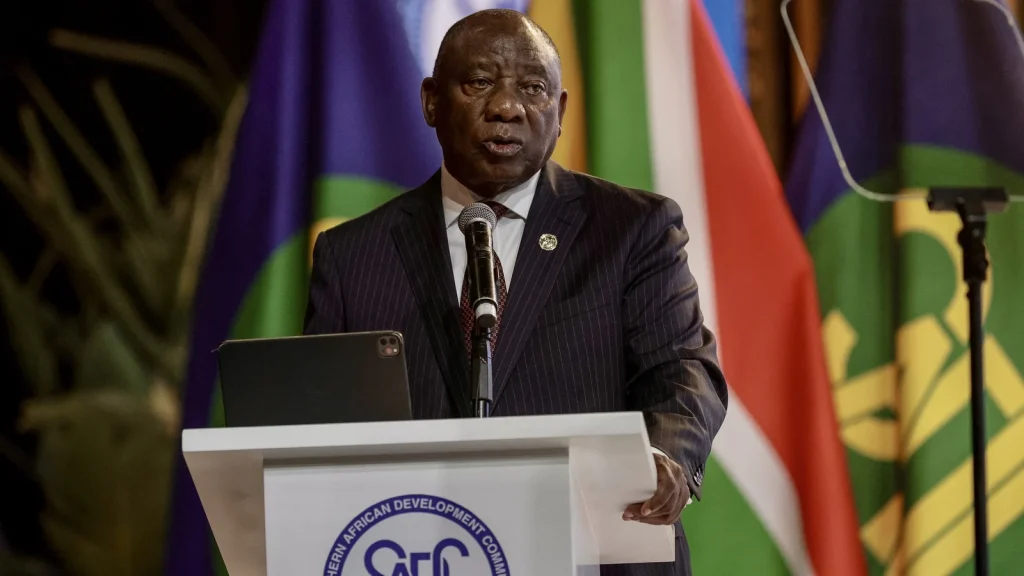
Cyril Ramaphosa told leaders attending a summit of the 16-member Southern African Development Community (SADC) that South Africa had briefed them on the “challenge of migration”. He made the remarks in a closing address in the coastal city of Durban.
Leaders from across Africa met at the summit
“We thanked countries in our region for their understanding of the challenges that we faced and, in some respects, continue to face,” the South African president said.
“We expressed a wish that we should all work together to address the challenge of migration,” he added.
South Africa, the continent’s wealthiest country, has attracted migrants for decades. But it is also grappling with unemployment above 30% and stark economic inequality, conditions that have intensified public frustration.
Anti-migrant protests
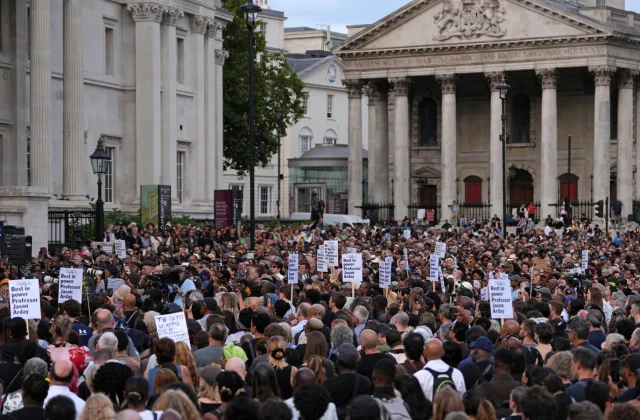
Earlier yesterday, roughly 300 anti-migrant protesters marched towards the summit venue, calling on the leaders inside to “fetch their people”.
A helicopter and drones monitored the demonstration while police officers on horseback and motorbikes guided the relatively small crowd towards the venue’s perimeter.
“We are here to tell you to come and fetch your people who are here in South Africa illegally,” said march leader Jacinta Ngobese-Zuma, one of the prominent figures behind the recent protests.
Ms Ngobese-Zuma singled out Malawi, Mozambique and Zimbabwe, saying citizens of those countries accounted for most of the foreign nationals who had left South Africa.
Some departed voluntarily, while others were deported or assisted through government-backed repatriation programmes.
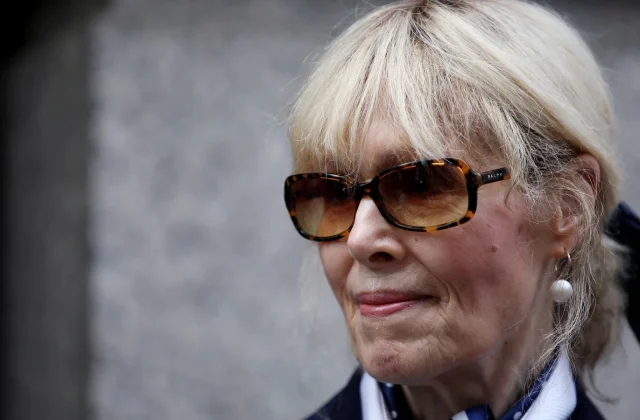
March and March Movement leader Jacinta Ngobese-Zuma protests outside the summit
Speaking at a public lecture on Friday, Mr Ramaphosa said South Africa was “deeply concerned and ashamed that nationals from other countries have in recent months been subjected to discrimination and ill-treatment”.
South African police say at least four migrants were killed in the violence, although some foreign governments have reported a higher death toll.
Other African countries, particularly Ghana and Nigeria, have criticised the South African government’s response to the protests and the violence. Neither country belongs to the SADC grouping.
South Africa, which assumed SADC’s rotating chairmanship at the summit, has proposed an Africa-wide conference focused on migration.