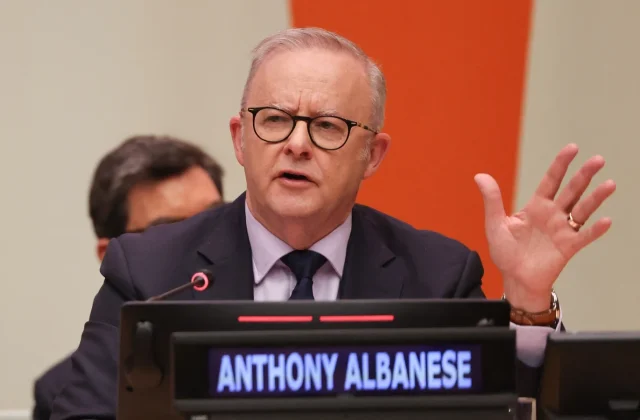
NATO is prepared to respond to Russian cyberattacks and other forms of hybrid warfare, Secretary General Mark Rutte said, while calling for stronger support for Ukraine as Moscow expands its pressure campaign.
“Russia is doing more and more when it comes to the cyber etc. domain, but… NATO is ready for this,” Rutte said.
- Advertisement -
The alliance has a range of measures available to respond to hybrid threats, he said, urging member states to provide “more support for Ukraine” if they “really want to give a signal to the Russians on every hybrid incident, hybrid attack.”
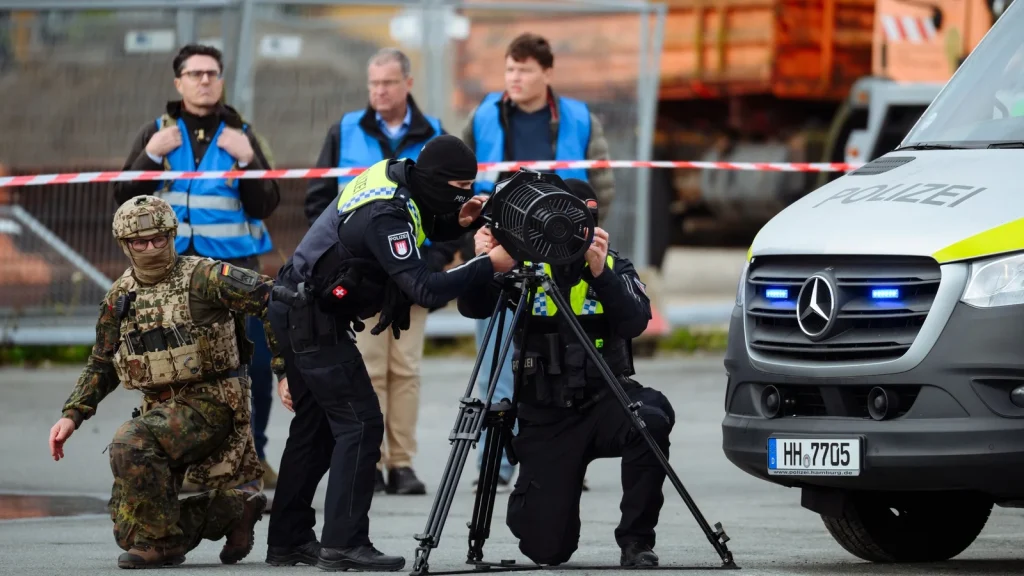
Across Europe, governments remain on alert for possible Russian interference. With the Kremlin’s invasion of Ukraine now stretching into its fifth year, fears are growing that Moscow could target the countries backing Kyiv.
Mark Rutte insisted NATO was ‘ready’ for hybrid attacks
Polish Prime Minister Donald Tusk issued a similar warning last week, pointing to “hybrid” threats from Russia that could include drone and missile attacks against Ukraine’s allies.
Poland, a NATO and EU member on the alliance’s eastern flank, has accused Russia of “sabotage” several times since Moscow launched its full-scale invasion of Ukraine in 2022.
“There is a low but growing risk that Russia will launch a limited military attack against one or several NATO countries bordering Russia,” Thomas Ahrenkiel, head of the DDIS, told a press conference while presenting an updated assessment of the Russian threat.
He said the agency continued to view it as “highly unlikely that Russia would see any interest in invading a NATO country, but we cannot rule it out”.
The assessment said Russia was likely to conduct more so-called “hybrid attacks” against Western targets.
According to the agency, earlier operations had “mainly been aimed at creating fear and weakening public support for aid to Ukraine”.
More recent activity, however, has begun targeting the flow of assistance itself, including alleged sabotage involving defence companies and rail shipments carrying military equipment, the agency said.
The DDIS said it expected Russia to intensify the campaign, potentially through “destructive cyber attacks that cripple critical societal functions”.
Read more:Is Russia’s alleged hybrid war on EU a genuine threat?Macron orders protection against Russian hybrid attacks
The agency also assessed that there was a low risk of a limited military strike, even while the war in Ukraine continued, as Moscow sought to divert European resources away from Kyiv.
“A limited military attack would be a desperate move on Russia’s part and, like the intensified hybrid attacks, could potentially take place in the coming months,” the agency said.
At the same time, the DDIS noted that “a build-up of forces would require several months of preparation and will be difficult to conceal.”
Ahrenkiel stressed that while “Russia’s increased willingness to take risks has consequences for the security situation in Denmark”, particularly through hybrid operations, that did not mean an attack on the Scandinavian country was expected.
“We do not expect a conventional Russian military attack against Denmark,” he said.