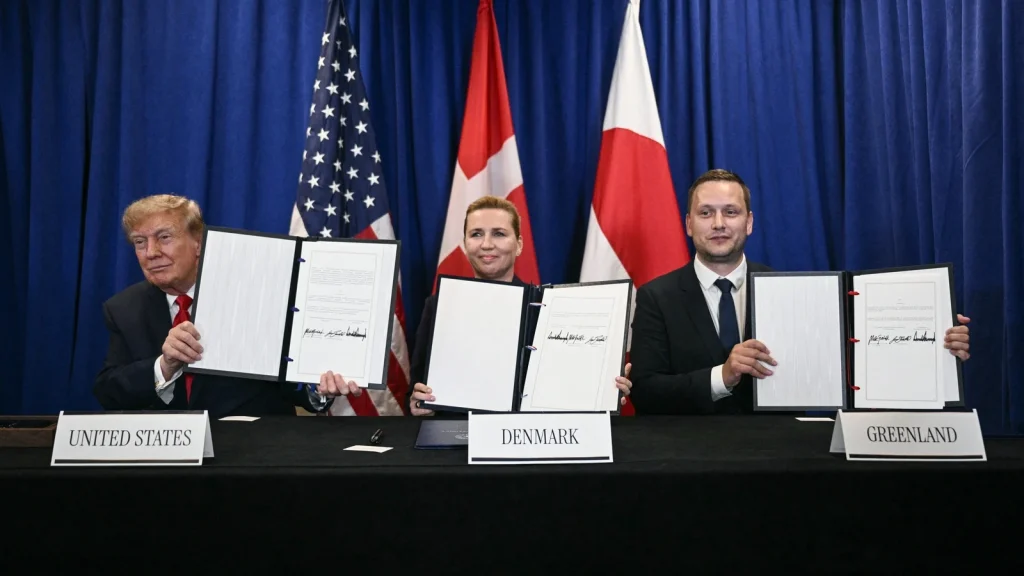
A new agreement signed by US President Donald Trump and the leaders of Greenland and Denmark will allow Washington to expand its military presence on the strategically vital Arctic island, potentially ending a months-long dispute over its security and mineral wealth.
The accord was signed during Mr Trump’s visit to the UN General Assembly in New York. It does not go as far as his earlier demand for the US to take Greenland as a territory, a proposal he said was necessary to counter the expanding influence of Russia and China in the Arctic.
- Advertisement -
Instead, the agreement provides for a broader US military footprint on Greenland, an approach that gained ground as the island’s leaders rejected the prospect of a full American takeover.
Under the text released after the ceremony, the US may deploy a “Golden Dome” defense system in Greenland to protect against ballistic missile threats.
The Arctic island lies along the shortest route between Europe and North America and is home to the northernmost US military base.
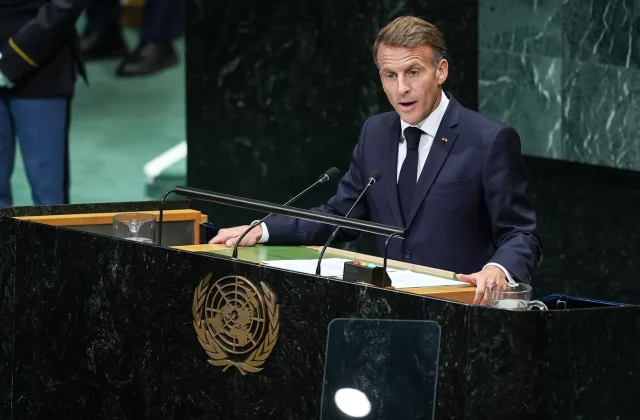
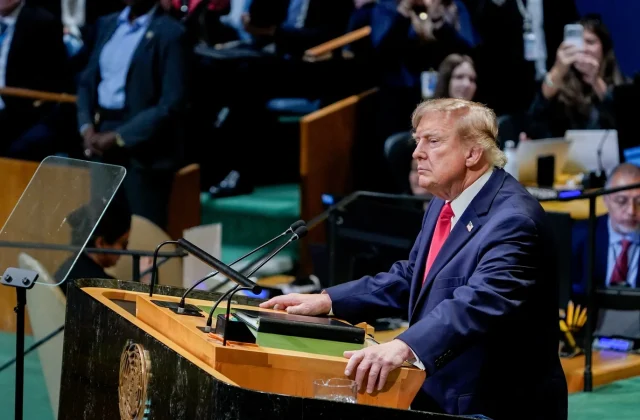
Addressing world leaders at the UN before the signing, Mr Trump said the agreement would give the US “permanent control over security and all other needs on that territory.”
“No US adversary will ever be permitted to establish a military presence in Greenland any more, or make sensitive investments there without our express written approval,” Mr Trump said.
Mr Trump signed the accord with Danish Prime Minister Mette Frederiksen and Greenland Prime Minister Jens-Frederik Nielsen in a trilateral ceremony held after his UN address.
Ms Frederiksen called it an agreement that could “last forever,” saying it reinforces NATO’s importance while respecting Greenland’s right to determine its own future.
A strong NATO
Mr Nielsen also highlighted NATO’s role in the Arctic. “We believe that it is vital to keep NATO strong, also in the Arctic, where the alliance has a key role to play,” he said.
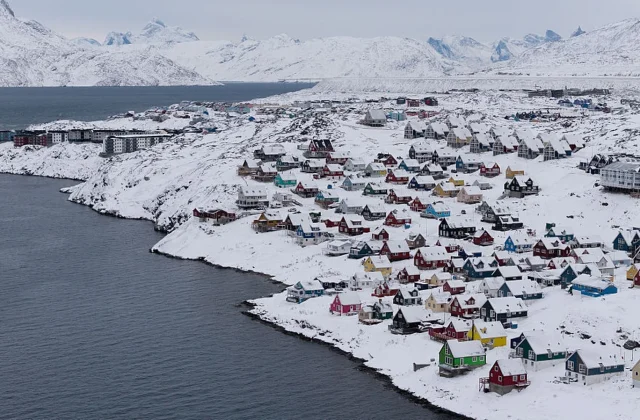
Once a Danish colony and now a semi-autonomous territory within the Kingdom of Denmark, Greenland lies between the Arctic and North America and possesses extensive energy resources.
We need your consent to load this rte-player contentWe use rte-player to manage extra content that can set cookies on your device and collect data about your activity. Please review their details and accept them to load the content.Manage Preferences
The US already operates Pituffik Space Base in Greenland’s remote northwest. The agreement makes two additional sites available: Narsarsuaq, a former Cold War airbase where only a few dozen people now live, and Mestersvig, which is currently used by the Sirius Dog Sled Patrol, a Danish special forces unit.
“We will immediately begin the process of developing a large military presence in the appropriate location. We will be building two very major military bases,” Mr Trump said in his UN speech.
Mr Trump’s refusal to rule out military or economic force to secure control of Greenland sparked a diplomatic crisis inside NATO in January and led Denmark and the island’s government into months of intensive talks.
“The reason why we can conclude this agreement, which is beneficial from Greenlandic, American, and European perspectives, as well as on behalf of the Kingdom of Denmark, is that it is a matter of security policy,” Ms Frederiksen said in New York yesterday.
The agreement states that it amends a 1951 defense treaty, which had provided the legal foundation for the US military presence on the island.
Read more:Follow live updatesGuterres calls for AI curbs. end to wars in UN address
It also allows Washington to pursue additional bases in the future, provided their locations and terms are settled through mutual agreement.
The accord has no end date. It grants US aircraft and ships broad access to Greenland and its territorial waters, while prohibiting non-NATO countries from establishing military facilities on the island.
It further limits foreign investment, effectively preventing governments and investors from outside NATO, NATO partner countries and the European Union from gaining control or significant influence in sectors considered especially sensitive, including critical infrastructure and resource extraction.
The deal still requires approval from the parliaments of Denmark and Greenland, but it marks a clear retreat from Mr Trump’s earlier push for outright US ownership of the island.
At the same time, it would represent the largest expansion of US military infrastructure in Greenland since the Cold War, when Washington operated 17 installations and had more than 10,000 personnel stationed there.