Representatives of Libya’s rival political camps agreed Sunday to hold long-delayed national elections within two years, in a renewed effort to break the deadlock over electoral legislation and overhaul the country’s election authority.
The agreement seeks to revive a political process that has been frozen since planned elections in December 2021 collapsed amid disputes over the eligibility of leading candidates. The vote was intended to help end more than a decade of conflict and political division.
- Advertisement -
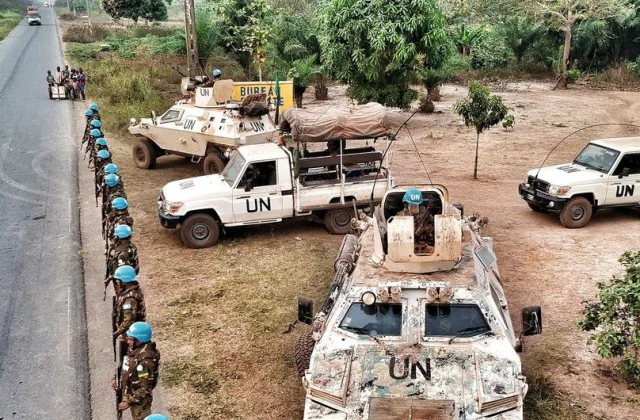
The signing took place at the United Nations Support Mission in Libya, known as UNSMIL, in the capital, Tripoli.
The deal followed negotiations by a smaller group called the 4+4, which brought together two representatives from each of Libya’s four key institutions: the Government of National Unity, the High Council of State, the House of Representatives and the Libyan National Army.
Walid Ellafi, the GNU’s state minister for political affairs and communications, said legislative and presidential elections should take place “within a period not exceeding 24 months.” He said the process should be conducted under a single executive authority and through unified national institutions.
Shibani AbuHamoud, who leads the delegation from the army’s general command, said the 4+4 group would cooperate with UNSMIL “to develop a framework within one month of the signing of the agreement to follow up on all matters related to its implementation.”
Under the agreement, if the House of Representatives and the High Council of State do not approve the accord within one month, the parties will seek to adopt it nationwide as a constitutional document. They would pursue that step through broad national mechanisms and seek international support from the U.N. Security Council.
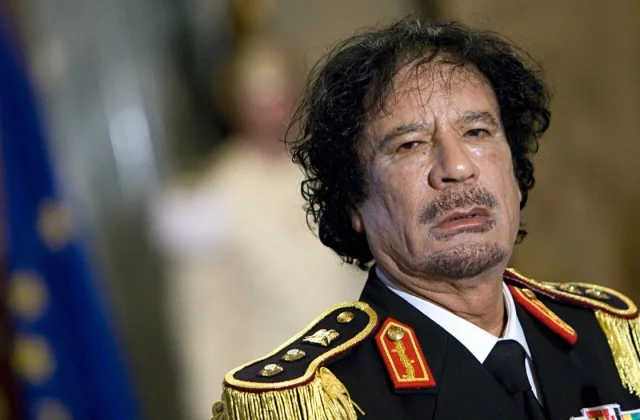
Libya has struggled with instability and insecurity since a NATO-backed uprising ended Moammar Gadhafi’s rule in 2011.
The country fractured in 2014 as rival eastern and western factions fought for power. Major hostilities have largely subsided since a cease-fire was reached in 2020, but political divisions remain entrenched.
Libya’s main political actors have repeatedly endorsed holding elections. Yet many Libyans have expressed doubts about a vote that could remove much of the country’s political leadership from positions of authority.