By: Yusuf Said Hersi Saturday June 20, 2026
Part 1: Introduction
- Advertisement -
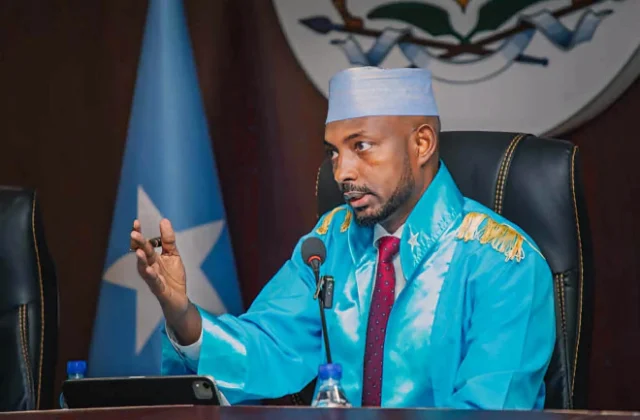
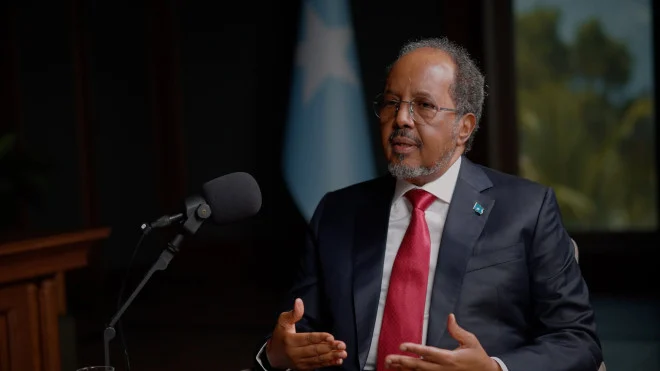
When President Hassan Sheikh Mohamud returned to the presidency in May 2022, Somalia was facing a period marked by simultaneous challenges affecting security, politics, the economy, and state-building. Since then, his leadership has been surrounded by both praise and criticism, which have significantly shaped the country’s political debate.
Supporters of the government argue that Hassan Sheikh’s administration has prioritized the fight against Al-Shabaab, improved foreign relations, and strengthened state institutions. However, opposition figures and some political analysts maintain that Somalia remains in a fragile political and security situation.
Part 2: Elections and Political Disputes
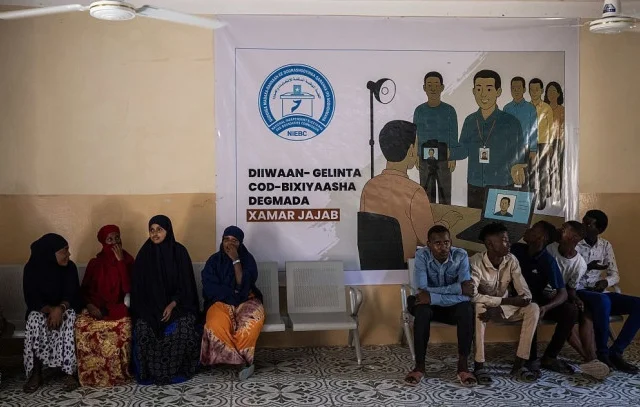
One of the most debated issues is the electoral system. Many opposition politicians have expressed concern about the direction of the upcoming elections and how to achieve an agreement that satisfies all stakeholders.
Critics of the President argue that the first priority should have been the creation of a broad national political consensus. In their view, without a comprehensive agreement, political tensions and mistrust between the federal government and the federal member states could intensify.
Government supporters, on the other hand, insist that reforming the electoral system is a necessary step toward building a sustainable democratic process.
Part 3: Security and the Situation in the Regions
When Hassan Sheikh took office, the federal government was facing long-standing security challenges. It launched military operations against Al-Shabaab, supported by the national armed forces, local communities, and international partners.
Nevertheless, government critics point out that many parts of the country continue to experience frequent attacks and security threats. They also argue that the government has not yet established full control over all the areas it had hoped to govern.
Government supporters reject this view, stating that the fight against the armed group is a long-term effort and should not be measured solely by the amount of territory controlled at any given time.
Part 4: Foreign Policy
The question, “Who does Hassan Sheikh rely on?” has become one of the recurring topics in Somali politics.
Turkey is among Somalia’s most important partners in the areas of security, military training, infrastructure, and investment. The Turkish government has played a prominent role in supporting Somalia in recent years.
China also cooperates with Somalia on economic development, trade, and infrastructure projects, although its influence in the security sector is not comparable to that of Turkey.
Somalia also maintains close relations with Western countries such as the United States and the European Union. These partners provide financial, security, and political support.
Many analysts believe that Hassan Sheikh does not rely on a single country. Rather, he seeks to maintain diverse relationships with Turkey, the United States, the European Union, Arab countries, and other nations that are important to Somalia.
Part 5: The Western Perspective
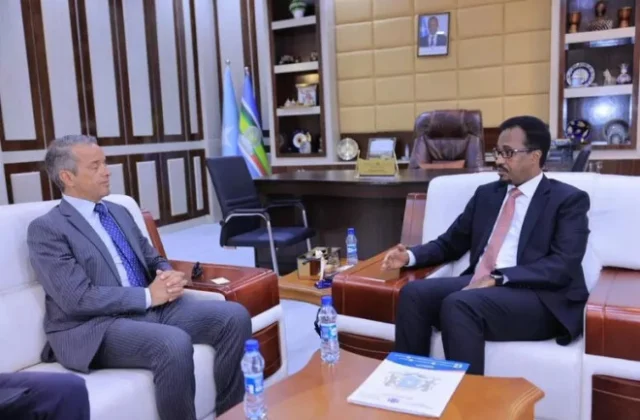
There are various reports and analyses regarding how Western countries view Somali politics. Some political analysts believe that Western governments occasionally express concerns about political disputes, the electoral process, and cooperation between the federal government and the federal member states.
At the same time, the official relationship between the Somali government and its Western partners has continued throughout Hassan Sheikh’s presidency, with financial and security support still ongoing.
Therefore, it is not easy to broadly claim that Western countries either oppose or support all government policies. The situation is more complex than that and depends on numerous political and security factors.
Conclusion
Hassan Sheikh Mohamud is leading Somalia during a challenging period characterized by the simultaneous pursuit of military operations against armed groups, political reforms, and efforts to build stronger state institutions. His supporters praise his security and diplomatic initiatives, while his critics question his political agreements, governance, and electoral policies.
The key question that remains is whether the current government will be able to achieve a broad political consensus, strengthen security, and prepare the country for a stable political transition as future elections approach.
Yusuf Said Hersi