Houthi strikes on Saudi Arabia fuel fears of renewed Yemen war
RIYADH, Saudi Arabia — A barrage of Houthi missiles and drones targeting Saudi Arabia’s southern provinces has intensified regional tensions, leaving at least 73 civilians wounded, including women and children.
- Advertisement -
The Saudi-led coalition said the attacks hit civilian and economic sites in the kingdom’s south. It said the Houthi movement used both missiles and drones in the operation.
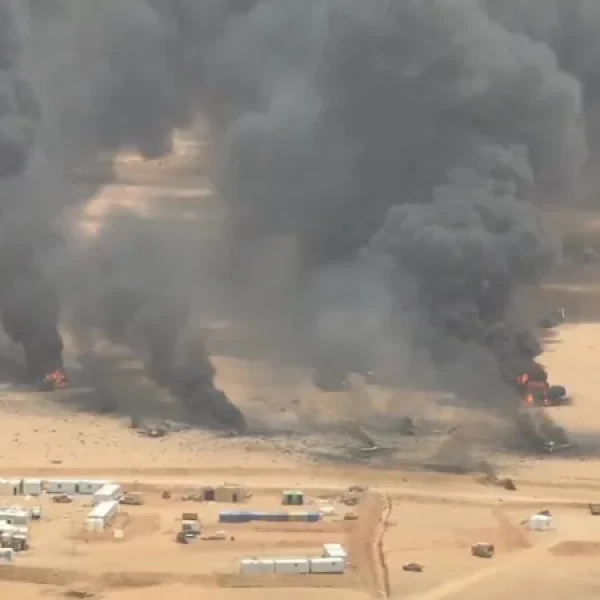
New thermal anomalies detected by NASA’s Fire Information for Resource Management System (FIRMS) near a Saudi Aramco refinery in the southern city of Jazan also raised concerns over possible damage to energy infrastructure.
The Houthis said the strikes were retaliation for 121 Saudi airstrikes on territory under their control in Yemen during the preceding three days.
The group said its targets included Aramco facilities in Jazan, Abha and Najran, along with Khamis Mushait air base.
The escalation follows a sharp increase in fighting across parts of Yemen, marking some of the most intense clashes since a fragile truce took effect in 2022.
Yemeni government forces supported by Saudi Arabia have stepped up airstrikes against Houthi positions in recent days, raising concerns that the renewed violence could widen into a broader confrontation.
The Houthis captured much of northern Yemen, including the capital Sanaa, in 2014 and have spent more than a decade fighting the internationally recognised government.
Saudi Arabia has backed Yemen’s government and remained a key force in efforts to counter the Houthi movement, including through the military intervention it launched in 2015.
A United Nations-mediated truce reached in 2022 sharply reduced fighting between the principal sides, despite formally expiring several months later. Even so, large-scale hostilities stayed relatively limited for several years.
The latest clashes have prompted fears that Yemen’s extended period of relative calm may be ending.
The renewed pattern of Saudi airstrikes on Houthi-held areas and Houthi attacks on Saudi territory and energy infrastructure could carry consequences well beyond the two countries.
The Houthi targets in southern Saudi Arabia lie near the Yemeni border and include important infrastructure. Any strikes on oil facilities could also affect regional energy markets.
Further escalation could create new dangers for commercial shipping in the Red Sea, a vital global maritime corridor already disrupted by attacks connected to the Yemen conflict.
The Houthis have previously fired missiles and launched drones at Saudi territory. Since late 2023, they have also attacked commercial vessels in and around the Red Sea, saying the operations support Palestinians during the war in Gaza.
The latest exchange of fire comes as uncertainty grows over whether Yemen’s fragile security situation can remain contained.
A prolonged campaign targeting Saudi energy facilities, or a further expansion of Houthi attacks, could intensify pressure on regional governments and international powers to keep the conflict from evolving into a wider regional crisis.
AXADLETM