
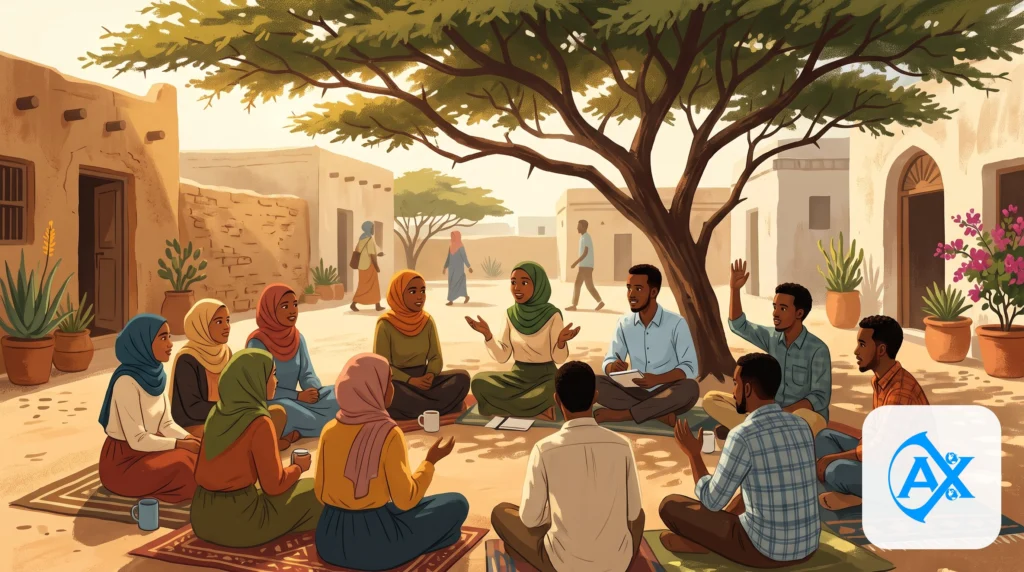
Somali society relies heavily on the strength, knowledge and energy of its youth. Since the Somali population is predominantly young, their role in decision-making and the administration of the country directly determines the direction in which the country moves. This article explains in detail the role young people play in politics, the importance of listening to their voices, and the steps that can lead to a just society.
What Is Youth Political Participation?
Youth political participation is not limited to running for senior office or voting during elections. It is a broad process that enables young people to take part in governing the country, shaping laws and advocating for the fundamental rights of society.
It includes:
-
- Participating in public discussions on social and governance issues.
-
- Advocating for justice, equality and employment opportunities for young people.
-
- Taking part in civil society organisations, student organisations and local councils.
-
- Monitoring and holding officials accountable at various levels of government.
General Context and Brief History
Historically, Somali youth have always been at the forefront of the struggle for independence and national reconstruction. The leaders who spearheaded the independence movement were largely young people determined to change the fate of their country.
Today, in various parts of the country, including Puntland, Jubaland, Galmudug, Hirshabelle, South West State and the North Western State of Somalia, young people are making efforts to express their voices. In major cities such as Mogadishu, Hargeysa, Garowe, Kismayo, Baidoa, Jowhar, Bosaso and Saylac, educated young people eager to contribute to the country’s peace and development are emerging, although significant challenges remain.
The Importance of Youth Political Participation
Giving young people full opportunities in politics is not a privilege but a genuine necessity for building strong state institutions. Its importance includes:
-
- The Majority of Society: Since the largest segment of the population is young, any policy that excludes them means leaving out most of the people in the country.
-
- New Ideas and Innovation: Young people bring modern perspectives, solutions based on emerging skills and a better understanding of today’s world.
-
- Stability and Peace: When young people have the opportunity to express their political views, they are less likely to engage in activities that undermine security and instead become guardians of peace.
-
- Preparing Future Leaders: Early participation teaches young people leadership, political tolerance and national responsibility.
Key Issues
To strengthen the political role of Somali youth, it is essential to pay particular attention to the following areas:
-
- Civic Knowledge and Awareness: Political and governance education should be incorporated into school and university curricula so that the younger generation understands the constitutional system and its rights.
-
- Breaking Cultural and Economic Barriers: Traditional power-sharing systems often give opportunities to elders, sidelining young people. In addition, the cost of running for political office is beyond the means of many young people.
-
- Representation of Young Women: Young women face two overlapping obstacles: their age and their gender. It is important to create dedicated spaces for them to participate in decision-making.
-
- Use of Social Media: Technology has created a new platform through which young people can communicate, express their views and unite their voices to influence government decisions.
Frequently Asked Questions
1. How can young people participate in politics without holding government office?
They can participate by joining civil society organisations, advocating for the public interest, writing about governance issues, taking part in community discussions or launching awareness campaigns to address challenges in their communities.
2. What is the biggest challenge facing young people who want to enter politics?
The main challenges include clan-based power-sharing systems that do not usually give priority to young people, the lack of financial resources among many ambitious young people, and limited leadership opportunities entrusted to those from younger age groups.
3. What benefits does society gain when young people participate in politics?
It leads to governance based on the wishes of the majority of society, improves administrative efficiency and encourages investment in education, healthcare and job creation, as these are among the issues that young people consider top priorities.