
Gode is on the verge of an industrial leap that could reshape the Somali Region—but only if the city upgrades its infrastructure, housing, land administration and public services before rapid growth outpaces planning.
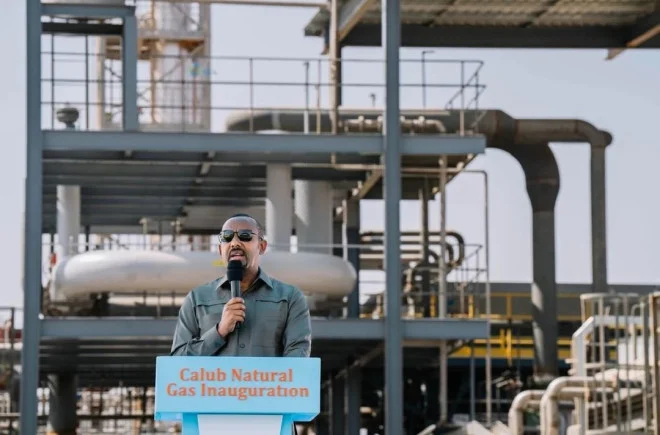
The Somali Region is moving into a pivotal stage of economic development, with Gode City positioned at the centre of some of its most consequential industrial investments. A major fertilizer complex and an oil refinery could elevate Gode from a key administrative and commercial centre to one of Ethiopia’s emerging industrial hubs.
- Advertisement -
Plans call for the fertilizer complex to produce three million metric tons of urea each year, while the refinery is expected to process about 3.5 million metric tons of crude oil annually. Investments of this scale could create jobs, expand supporting businesses, increase domestic production and draw further capital to the Somali Region.
However, the projects will also place intense demands on Gode’s current infrastructure. Construction workers, engineers, technicians, administrators, investors and service providers will need homes, transport, water, electricity, healthcare, education and commercial facilities.
The defining issue is not simply whether the projects reach completion. It is whether Gode can absorb the economic and population growth they are likely to bring.
Corridor development should begin immediately
The Somali Regional Government should immediately place Gode at the top of a comprehensive corridor-development programme. Waiting until the industrial facilities begin operating would allow urban pressures to build and make corrective action more costly and difficult.
A well-planned corridor should link Gode’s city centre with the airport, industrial sites, markets, government offices and major regional transport routes. The programme should provide durable roads, functional storm-water drainage, street lighting, pedestrian walkways, organized parking, public transport facilities and coordinated utility networks.
Corridor development must mean more than refurbishing a handful of central streets. New pavements and streetlights may improve the city’s appearance, but they will not solve unreliable water supplies, inadequate drainage, unplanned neighbourhoods or insecure land records.
The programme should sit within a wider urban-development strategy tied to Gode’s approved structure plan. Roads, drainage networks, commercial districts and public facilities should all support a consistent long-term direction for the city.
Implementation should proceed in stages. The opening phase should focus on routes with the greatest economic and public importance, especially links between industrial areas, the airport, the commercial centre and major residential districts. Completing a small number of strategic corridors to a high standard would be more effective than scattering resources across numerous disconnected projects.
Housing must be planned before demand increases
Housing will be among Gode’s most pressing challenges. Industrial developments begin attracting workers and supporting businesses well before production starts. Unless the housing stock expands in an orderly way, the city could see soaring rents, informal settlements, land speculation and overcrowding.
The city administration should designate suitable expansion areas and prepare detailed neighbourhood plans before construction spreads without control. Those plans must serve a range of income groups, from construction workers and permanent industrial employees to government staff, business owners and low-income households.
New neighbourhoods need roads, drainage, water, electricity, schools, health centres, markets, parks, places of worship, emergency services and waste-management systems. A plot should not be considered serviced merely because it has been allocated on paper.
The regional government should invite credible local, diaspora, Ethiopian and international developers to participate in housing construction. Potential investments include affordable rental units, middle-income homes, hotels, guest houses and temporary accommodation for construction workers.
Private-sector participation must be transparent and tied to performance. Investors should have clear procedures and reliable public services, while public land must be protected from speculation. Agreements should set development deadlines and provide for the recovery of land left undeveloped without justification.
Modern land administration is essential
Gode cannot build a modern city on vulnerable paper files, disputed parcel boundaries and municipal records that do not connect with one another. The city urgently needs a secure, digital land-information system.
Each legally recognized parcel should have a unique identification number linked to an accurate cadastral map. The system should record its boundaries, size, legally recognized holder, approved use, transactions and relevant restrictions.
Existing title deeds should be inventoried, verified, scanned and matched with the correct physical parcels. Digitization must not simply reproduce inaccurate or conflicting files in electronic form. Disputed claims, overlapping allocations and unclear boundaries require transparent verification and lawful adjudication.
Every alteration to a digital land record should create a permanent audit trail showing who made the change, when it occurred and the legal authority behind it. Original documents should also be retained in a professionally managed physical archive equipped with fire protection, controlled access, routine backups and cybersecurity safeguards.
Accurate land information would protect residents’ rights, curb illegal or multiple allocations and give investors greater confidence that their developments will not later face competing claims. It would also help the city preserve road reserves, industrial zones, river buffers and land reserved for schools, health facilities and other public uses.
Water, sanitation and environmental protection
Gode’s modernization will depend in large part on reliable water and sanitation. Industrial activity, construction and population growth will all push demand sharply higher.
The city needs a long-term water-supply plan grounded in realistic projections for residential, commercial and industrial consumption. Authorities should expand infrastructure before shortages become acute while reducing distribution losses and addressing unauthorized connections.
Gode must also establish dependable systems for wastewater, solid waste and hazardous industrial materials. Development that pollutes the Wabi Shabelle River or endangers nearby communities would be neither sustainable nor acceptable.
Gode’s location along the river makes climate-sensitive planning essential. Flood-prone zones, river buffers and natural drainage channels should be mapped and protected from unsuitable construction. New neighbourhoods and corridor projects must include adequate storm-water systems instead of obstructing existing waterways.
The fertilizer plant and refinery will require rigorous environmental oversight, emergency-response capabilities and close coordination between federal, regional and city authorities. Gode should strengthen its fire, health, environmental and disaster-management services before the facilities become operational.
Turning industrial projects into a local economy
The refinery and fertilizer plant should create economic opportunities well beyond their construction sites. They could increase demand for transport, logistics, warehouses, workshops, hotels, restaurants, retail, banking, professional services and agricultural supply chains.
The regional government and Gode City Administration should produce a professional investment prospectus that sets out these opportunities. It should offer reliable information on serviced land, infrastructure, licensing procedures, tax responsibilities and anticipated demand.
The prospectus should be presented to Somali diaspora investors, domestic companies and credible international firms. Investment forums should emphasize specific, bankable projects rather than broad speeches and general appeals.
Local businesses also need support if they are to enter new supply chains. Contractors, transport operators, farmers, livestock traders and service providers require access to finance, training, procurement information and quality standards.
Industrialization will have a limited local effect if contracts, expertise and services are largely sourced from outside the region. Technical and vocational institutions should begin preparing young people for work in construction, welding, electrical installation, machinery maintenance, laboratory services, logistics, environmental management, hospitality and information technology.
Limited budgets require clear priorities
The Somali Regional Government operates under significant financial and technical constraints. Trying to build major corridors at the same time in numerous towns could overstretch the budget, weaken supervision and produce incomplete projects or work below the required standard.
Other towns have legitimate development needs and must continue receiving essential services. Yet sound budgeting requires a clear distinction between routine service delivery and strategic capital investment.
Gode is currently home to an exceptional concentration of major federal industrial projects. Directing urban infrastructure investment toward the city would help safeguard those projects, attract complementary private capital and extend their benefits across the Somali Region.
The government should therefore focus its limited urban-development resources on a targeted, high-quality programme in Gode. Once results have been assessed, effective approaches could be adapted for other growing towns as funding permits.
The regional government should also pursue cost-sharing with federal institutions, industrial developers and private investors. The regional budget should not bear the full cost of transforming the city.
Preparing a city for the future
Gode has a rare chance to turn major national investments into lasting urban prosperity. But that outcome will depend on decisions made before the plants begin production.Without advance preparation, the city could face housing shortages, informal settlements, overwhelmed public services, land disputes and environmental damage. Fixing those problems later would cost far more than preventing them now.
The Somali Regional Government should move quickly and strategically. Its priorities should include Gode’s corridor network, serviced housing, modern land administration, stronger utilities and public services, protection of the Wabi Shabelle environment, workforce training and the active pursuit of complementary investment.
Delivering this transformation will require skilled professionals, cooperation among federal, regional and city authorities and leadership that can look beyond immediate political pressures. Transparency, public participation and consistent implementation will be equally important.
If Gode prepares now for the growth ahead, it can become more than the site of a refinery and fertilizer plant. It can emerge as a modern, investable and inclusive city—and a practical example of how major industrial investment can drive lasting regional development.