Sunday July 26, 2026
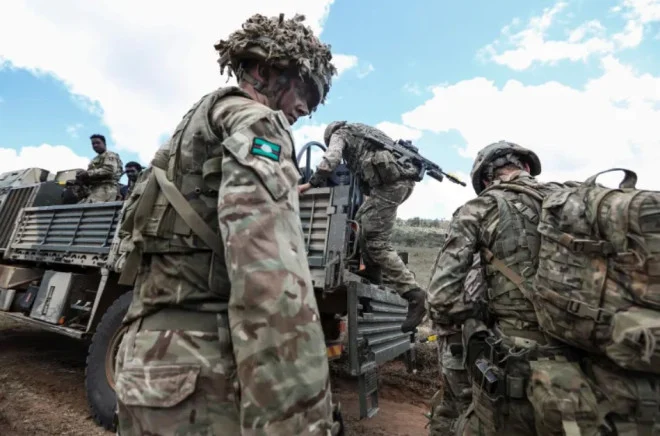
British Army Training Unit Kenya (BATUK) soldiers participate in an earlier exercise alongside the Kenya Defence Forces in Kenya [Daniel Irungu/EPA]
Nairobi, Kenya – Britain’s cancellation of a major military training exercise in Kenya has brought simmering tensions in the countries’ decades-old defence partnership into sharper focus.
The United Kingdom’s Ministry of Defence called off the exercise, scheduled for September 2026, after the necessary approvals were not secured amid disagreements between London and Nairobi over their defence arrangements.
The dispute turns on legal jurisdiction, accountability procedures and the rules that apply to British forces stationed or training in Kenya.
Central to the standoff is the UK-Kenya Defence Cooperation Agreement, the legal foundation for military collaboration between the two nations. It sets out provisions covering training, investigations and jurisdiction involving visiting forces.
The disagreement has renewed attention on the British Army Training Unit Kenya (BATUK), the longstanding programme through which British and Kenyan troops conduct joint exercises.
What is the UK military presence in Kenya?
British troops have trained in Kenya for decades, with BATUK providing the principal platform for exercises involving the British army and the Kenya Defence Forces.
Operating near Nanyuki in central Kenya, the unit gives British soldiers access to training grounds and enables troops from both countries to train together.
However, the British military presence has also fuelled debate about oversight, accountability and the legal position of foreign service personnel operating on Kenyan soil.
Kenya’s concerns
The current disagreement is rooted in the legal framework that governs British military personnel while they are in Kenya.
Kenyan legislators have questioned whether the existing rules ensure adequate accountability when British soldiers face accusations of committing offences in the country.
In parliamentary deliberations on the Defence Cooperation Agreement, lawmakers pointed to concerns involving BATUK and called for stronger, clearer accountability measures.
One parliamentary statement said:
“This House and the Departmental Committee on Defence, Intelligence and Foreign Relations had reservations on BATUK and particularly, where we as a society, are uncomfortable with human rights abuses.”
Such concerns have kept the agreement under scrutiny, despite both governments signalling that they want their security partnership to continue.
The impasse also highlights a broader challenge for military partnerships involving foreign troops: reconciling operational cooperation with the host nation’s legal authority and demand for accountability.
Britain’s position
The UK government has defended its military relationship with Kenya, saying the partnership rests on shared interests, cooperation and benefits for both countries.
The UK Ministry of Defence said: “The UK MOD highly values its relationship with Kenya, which is underpinned by mutual benefit, respect and cooperation.”
The ministry has also recognised difficulties surrounding Britain’s defence presence in the country, saying: “The UK MOD deeply regrets those issues and challenges which have arisen in relation to the UK’s defence presence in Kenya, both in the past and more recently.”
London maintains that sustained defence ties with Nairobi strengthen joint training and wider security cooperation.
Why does the dispute matter?
For Kenya, the dispute centres on securing unambiguous accountability provisions for foreign troops who operate within its borders.
For Britain, Kenya is both a significant East African defence partner and a strategically important destination for military training.
Although cancelling the exercise does not end UK-Kenya military cooperation, it suggests that future plans will encounter greater scrutiny over political and legal questions.
What happens next?
London and Nairobi must now bridge their differences over the defence agreement without damaging a partnership developed over many decades.
Unless the two governments find common ground, future British exercises in Kenya could remain uncertain, potentially prompting both sides to reassess the terms of their military relationship.
The cancelled exercise offers the strongest indication so far that Britain’s longstanding military presence in Kenya could hinge on a fresh agreement over legal authority and accountability.