
Andy Burnham has spent a lifetime in politics, long enough to know why Westminster clings to the warning that a week can stretch into an era.
For Britain’s new prime minister, this has been the week that changed everything.
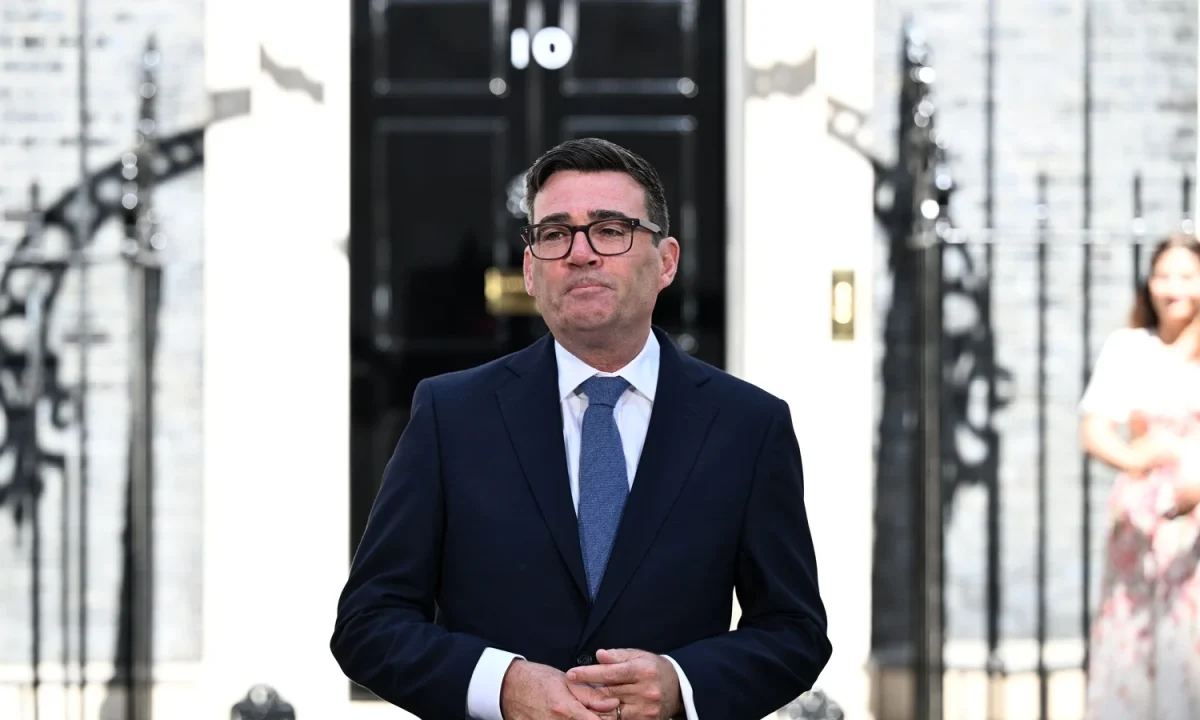
On Monday, as his car rolled through the gates of Downing Street and he made the familiar walk toward the black door of Number 10, Mr Burnham arrived at the job he had pursued for years. With it came a level of pressure, exposure and expectation unlike anything he has faced across decades in public life.
The first glimpse of that new reality came when he was pressed on the income tax threshold, an issue he said had dominated doorstep conversations during his campaign for the Makerfield parliamentary seat that ultimately cleared his path to Downing Street.
Watch: Burnham says Britain needs to ‘regain stability’
Questioned by reporters about the uncertainty surrounding the issue, the new prime minister said it was amusing that a politician could not give an honest answer without “people reading everything else into it”. He then sought to make clear that the income tax threshold would be examined in the budget “alongside everything else”.
“But you are prime minister”, the journalist replied, a gentle but pointed reminder that the ground beneath Mr Burnham’s feet has shifted completely.
Perhaps the most revealing part of that exchange was Mr Burnham’s description of himself as “a politician”.
The truth is sharper now: he is the politician, the person with the authority to make decisions that reach into households, workplaces and communities across the country.
That is why every sentence he utters will now be weighed not only at home but abroad, with a scrutiny his words did not previously command.
And there has been no shortage of words, or announcements, in his first days.
Mr Burnham has moved quickly, unveiling a run of policy measures including a cut in the tax on electricity bills from 5% to 0% from October this year, a £2 cap on most bus fares, and a 20% reduction in business rates for pubs and nightclubs in England.
On the surface, it looked like a package designed to ease pressure: cuts, caps and relief for households and businesses battered by a cost-of-living crisis. Downing Street could reasonably have hoped such measures would generate little but approving headlines.
Read more:Andy Burnham calls for ‘national sense of unity’ in first speech as Prime MinisterWho has Andy Burnham picked to be in his cabinet?
Yet the details beneath the announcements are more complicated, and the criticism has already begun.
For a start, and for several separate reasons, none of the measures will apply in Northern Ireland. That is an awkward omission for a prime minister who has placed regional devolution and service to every part of the United Kingdom at the heart of his pitch for power.
Even in the places where the policies will take effect, questions are being asked about how far they will really go.
The hospitality sector, already under severe strain, has warned that the 20% rates reduction may offer only modest relief.
The average pub or club expects to save just over £1,000 a year from the cut, a sum that barely begins to meet the scale of the costs many venues say they need brought under control to remain viable.
Britian’s King Charles appointed Andy Burnham as prime minister on Monday
The VAT cut on electricity will not alter wholesale electricity prices, meaning households are unlikely to feel a meaningful drop in bills as winter approaches and fuel costs remain under pressure from price rises linked to the continuing war in Iran.
The bus fare cap, meanwhile, offers nothing to those who depend on cars to get to work or school, as rising petrol prices continue to take chunks out of wages and family budgets.
Many of the announcements have still been welcomed, particularly by those who see them as a sincere early gesture from a prime minister trying to show he understands the strain people are under.
But the language used by some supporters — a good start, a token measure — also exposes the difficulty Mr Burnham now faces.
He has made large promises to voters who have watched a decade of political upheaval in Downing Street deliver little visible change in their own daily lives. For many of them, promises from the top have come to sound thin.
Policies that feel fragmented or too small to people in urgent need of help risk sounding just as empty.
Mr Burnham said this week that he wanted to give “breathing room” to those struggling to cover basic costs.
His supporters will argue that he has started that work, offering early measures as a down payment on the broader programme he intends to deliver.
But a down payment is only the beginning. The rest still has to be found.
That is the test waiting for him in the weeks ahead.