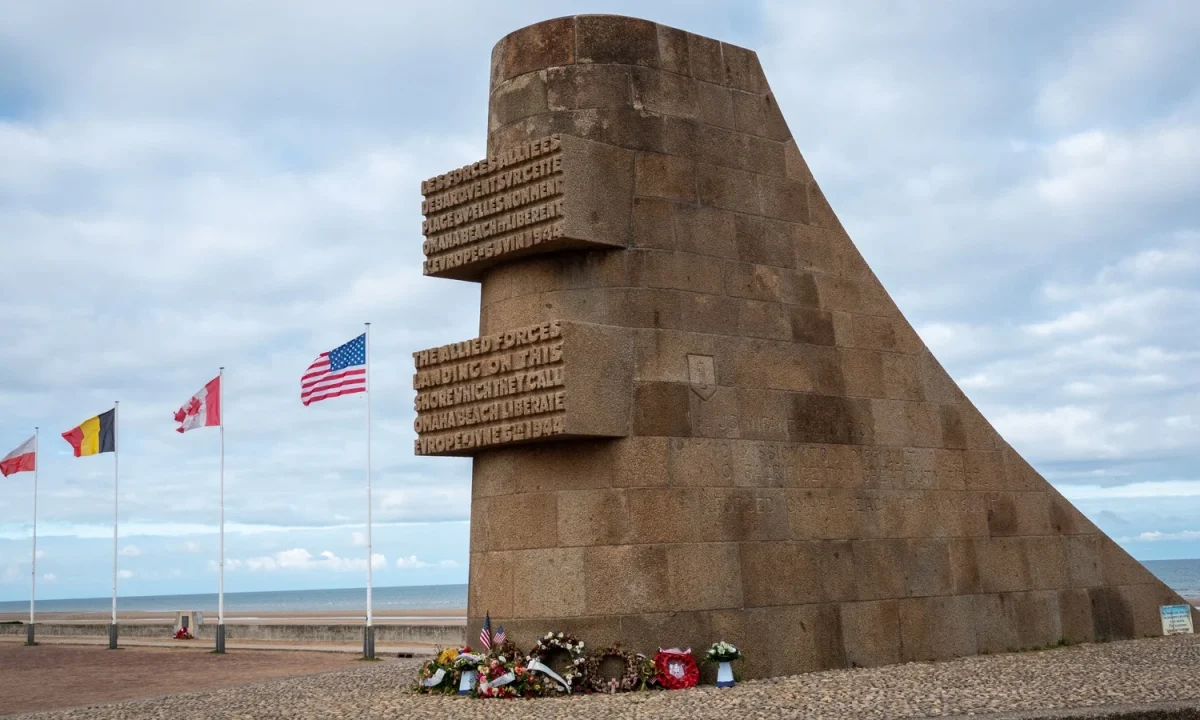
Normandy’s D-Day beaches, where the fate of Europe turned under fire on 6 June 1944, have been placed on UNESCO’s World Heritage List, bringing to a close a campaign that began nearly 20 years ago.
Running for more than 80km along France’s northwestern coastline, the beaches were the entry point for Allied forces who came ashore to wage one of World War II’s decisive battles, opening the way to Europe’s liberation from Nazism.
The inscription covers the five landing beaches still known by their wartime code names: Utah, Omaha, Gold, Juno, and Sword. Each year, fewer surviving veterans are able to return, while heads of state and world leaders continue to gather there on major anniversaries.
“This decision places a responsibility upon us,” said Herve Morin, president of the Normandy Region.
The D-Day landing sites now stand among more than 50 French locations already recognized by UNESCO, joining landmarks such as Normandy’s dramatic Mont Saint Michel island and the Palace of Versailles.
The designation of “outstanding universal value” gives the sites greater global visibility and places a duty on authorities to help safeguard them for future generations.
Greece, meanwhile, celebrated UNESCO’s decision to add Mount Olympus, the country’s highest mountain, a protected nature reserve and, in Greek mythology, the home of the ancient gods, to the World Heritage List.
The mountain is also among Europe’s richest areas for biodiversity and provides habitat for rare wildlife.
“From today, the mythical Mount Olympus becomes a mountain belonging to all of humanity,” Prime Minister Kyriakos Mitsotakis wrote on Facebook.
UNESCO also granted World Heritage status to 18 historic 18th and 19th-century condominium-style theatres across the Italian regions of Emilia Romagna, Marche and Umbria.
Italian Culture Minister Alessandro Giuli Rome welcomed the recognition of the theatres’ role in the cultural and social life of their regions “with pride and satisfaction”.