
Somalia Media Forum Opens as Press Freedom Debate Intensifies
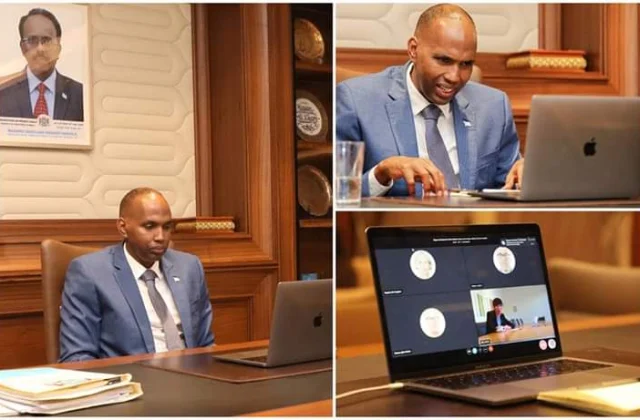
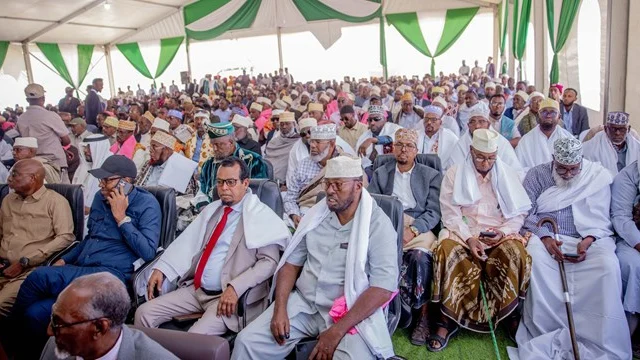
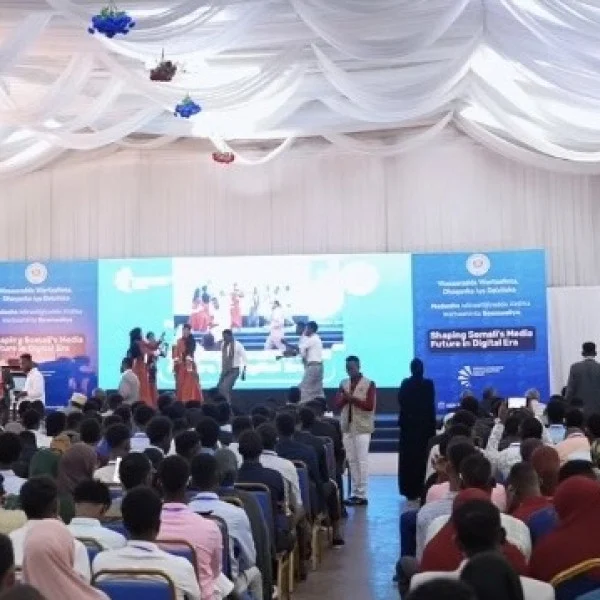
MOGADISHU, Somalia — Somalia’s term-expired Federal Government has opened a two-day media conference in Mogadishu as journalists’ organisations warn of growing pressure on independent reporting and online expression.
- Advertisement -
The National Strategic Communication Forum 2026, which began Monday and runs from September 7–8, is organised by the Ministry of Information under the theme “Shaping Somalia’s Media Future in the Digital Era.” Its agenda includes the future of Somalia’s media, relations between the government and news organisations, social media, artificial intelligence, journalistic ethics, and what authorities call misinformation and disinformation.
Officials say the forum aims to improve government-media relations, coordinate public communication and strengthen trust between institutions and the public.
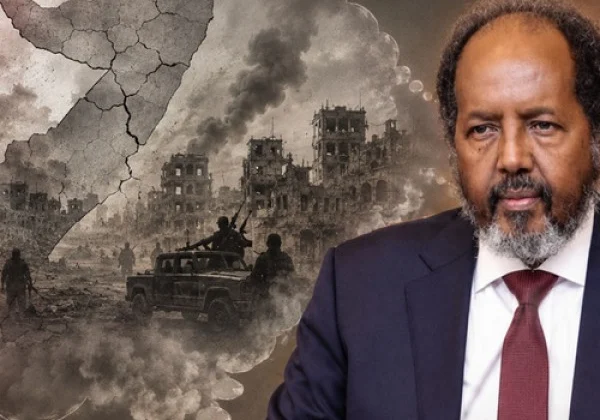
The gathering is taking place during a period of heightened political strain. The mandates of Somalia’s federal institutions have expired, with political actors divided over whether those institutions retain legitimacy. Tensions between Mogadishu and several Federal Member States have also worsened, while armed and political confrontations continue in parts of the country. Some regional administrations now maintain little or no political engagement with the federal capital.
The conference has also drawn attention because it comes amid mounting concern from press freedom and journalists’ rights groups about the conditions facing Somalia’s independent media.
On August 30, the Somali Journalists Syndicate (SJS) released an investigation alleging that fraudulent copyright claims had been used to remove independent media content from social-media platforms and restrict journalists’ accounts.
The SJS further reported allegations that journalists’ names and critical material were shared with the Ministry of Information and the National Communications Authority (NCA). It said Facebook had also been contacted in attempts to secure the removal of particular content.
In April, the syndicate separately expressed concern over reports that government officials had considered action against critical journalists and media organisations. Several of the outlets named in those reports later told the journalists’ group that senior officials had threatened them.
The National Union of Somali Journalists (NUSOJ) voiced additional concerns in June about sections of Somalia’s draft Penal Code addressing “false or misleading information,” defamation of public institutions and online expression. The union cautioned that the provisions could undermine press freedom and the broader right to express views.
Those concerns are likely to shape scrutiny of the Mogadishu forum, particularly its sessions on misinformation, social media and government-media relations. A central question will be whether any communication framework that emerges can separate the government’s strategic messaging priorities from the editorial independence of the media.
The recommendations and conclusions issued after the two-day meeting are expected to offer further insight into how the term-expired Federal Government plans to manage its future relationship with Somalia’s media sector.
This report can also be adapted into a tighter Axadle English version with a sharper headline and opening paragraph.
AXADLETM