
Turkey’s deepening role in Somalia pulls it into the country’s political violence
MOGADISHU, Somalia – Turkey’s expanding footprint in Somalia is colliding with the country’s bitter political rivalries, threatening to erode the goodwill built through years of investment and aid.
- Advertisement -
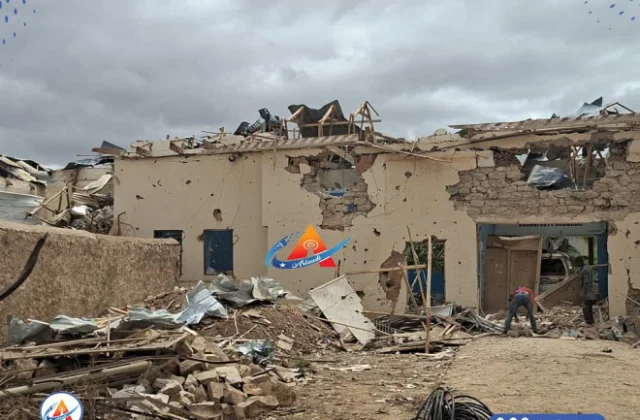
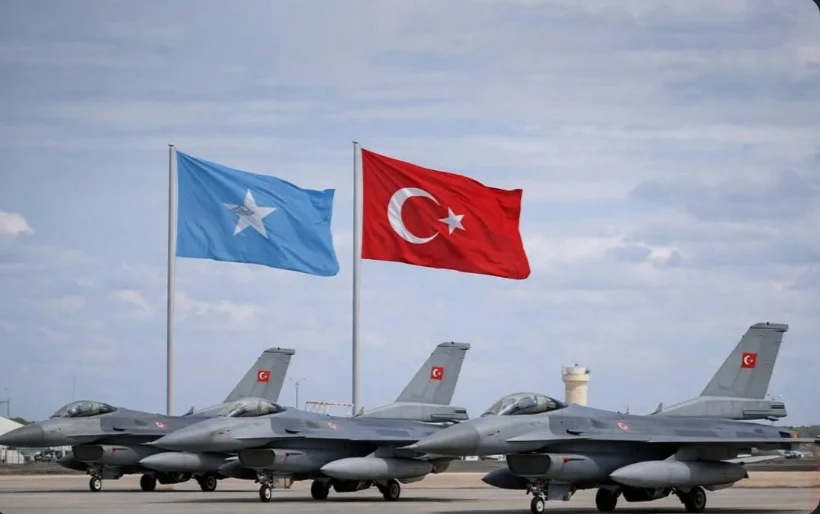
Turkish F-16s launched missiles near Baidoa, a city in southern Somalia, on Monday while supporting federal forces battling fighters loyal to a governor who had been removed from office.
Turkey has also faced accusations over a September 3 airstrike in the southern town of Doolow that wounded opposition leader General Mahad Abdirahman. The government rejected the claim, saying he was injured by explosives “being prepared inside the house”.
The episode triggered unusually strong anti-Turkey protests in the region. Demonstrators burned the Turkish flag and defaced images of Turkish President Recep Tayyip Erdogan.
“Turkey is a new colonial power that is occupying Somalia and is killing Somali people,” district commissioner Omar Abdullahi told protesters in nearby Afmadow.
“From today onwards, are we not at war with Turkey?”
Huge investment
As some Western countries have become increasingly reluctant to finance a nation trapped in decades of conflict, Turkey has established its largest overseas military base in Somalia.
Ankara is also developing a spaceport on Somalia’s coast for launches and satellite technology, while pursuing oil exploration.
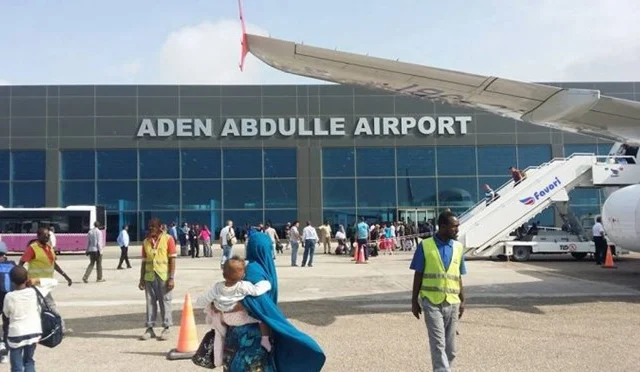
Turkish personnel have trained Somali troops and delivered assistance during droughts, floods and famines. Turkish companies operate Mogadishu’s airport and seaport, while Turkish-backed projects have brought new roads and solar-powered streetlights to the capital.
Diplomats in Mogadishu sometimes joke that the roar of the three Turkish F-16s wakes them up.
Many Somalis remain appreciative of Turkey’s support, particularly after Washington reduced crucial aid for the campaign against Al-Shabaab, the Al Qaeda-linked insurgent group that controls large parts of the country.
Yet opposition parties contend that Turkish-trained soldiers, military vehicles and drones — equipment initially intended for the fight against Al-Shabaab — are now being deployed against rival politicians and their militias, including during clashes in Mogadishu in June.
Somalia is facing a severe political crisis after President Hassan Sheikh Mohamud secured unpopular reforms, including a one-year extension of his mandate. Opposition figures subsequently met Turkish diplomats and urged Ankara not to take sides.
‘Perfect cooperation’
Despite the political turmoil, Turkish construction projects continue.
The first stage of a spaceport at Warsheikh, about 70 kilometres (40 miles) north of Mogadishu, is expected to be completed soon, according to a local official who spoke on condition of anonymity.
Turkey’s ambitions in Somalia extend beyond the current administration, officials say.
“A succession of presidents and politicians has held office, and we have worked in perfect cooperation with these successive leaders,” said a senior Turkish official working on the Somalia file.
“All political actors in Somalia know that Turkey’s support is intended for the Somali people and for Somalia, not for any specific political line,” he added.
A Western diplomat based in Mogadishu offered a similar assessment.
“Turkey is a highly sophisticated actor and will support whoever best secures those interests,” he told AFP.
‘Disinformation’
The Somali government has accused the opposition of spreading “disinformation” to damage the country’s relationship with Turkey.
“It was shameful to see the Turkish flag being burned on Somali soil,” parliament speaker Abdulkadir Mohamed Nur said at a September 9 event marking the partnership.
Somali MP Amina Mohamed Mursal told AFP that the Turks “are our brothers and sisters… They came to our aid during difficult times.”
Some ordinary Somalis are still wary.
“Turkey can no longer be seen as a neutral partner… Its backing of the federal government’s leadership is deepening political divisions and fuelling our resentment,” Mogadishu resident Dahir Ahmed told AFP.
“Many people now openly criticise Turkey — a marked change from the widespread support it enjoyed when it first became involved in Somalia,” added Shueyb Yare, a businessman from the diaspora.