Iran and the United States traded fresh threats as US President Donald Trump warned that Tehran would either face economic collapse or see its leadership “wiped out” if it refused to reach a deal. Iran’s military, meanwhile, said any new attack would draw a severe response.
The confrontation has appeared deadlocked for months, with neither side showing a willingness to compromise. As the standoff has continued, it has intensified a worldwide energy crisis, inflicted heavy damage on Iran’s economy and fueled further instability across the region.
- Advertisement -
Speaking by phone with a Fox News reporter, Mr Trump said Iran’s leaders should reach an agreement, allow their economy to deteriorate or risk being wiped out, according to the reporter.
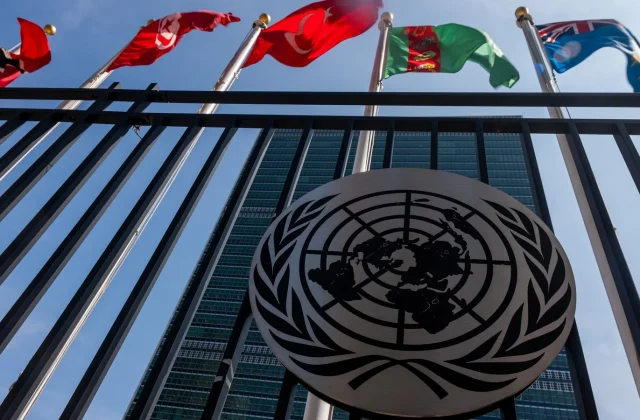
Mr Trump would also be willing to meet Iran’s President Masoud Pezeshkian, the Fox reporter said, as the Iranian leader is expected to travel to New York this week for the United Nations General Assembly.
Iran’s military conducts parades and provides training to supporters in preparation for potential conflict
Earlier, Iran’s military central command warned that any fresh attack would bring prolonged retaliation against US bases and interests. Washington’s regional allies, it said, would be treated as participants in the conflict.
The military also said it had received information suggesting an attack was being prepared, but offered no details about the source or nature of that intelligence.
Houthis target Riyadh
US allies in the Gulf have already suffered severe consequences from a war launched without warning by the United States and Israel, which has exposed their cities to Iranian fire and battered their economies after the vital Strait of Hormuz was blockaded.
Yemen’s Houthi group, which made significant gains along the country’s Red Sea coast after its civil war flared again this month, said yesterday that it had launched attacks on Saudi Arabia’s capital, Riyadh, and a major oil facility in the kingdom’s Red Sea port of Yanbu.
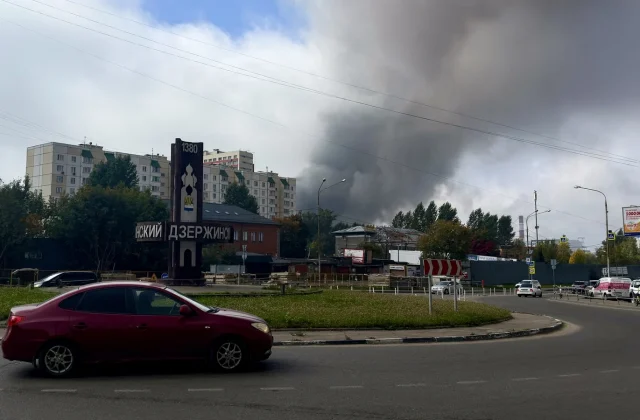
Video obtained by Reuters showed a huge column of black smoke rising near Riyadh’s main international airport after explosions were heard overnight.
The US State Department issued a security alert in response to the Houthi attacks.
It warned of the possibility of an unexpected escalation across the Middle East and urged Americans to remain especially vigilant, noting that flights could be cancelled and airspace could be closed.
Saudi Arabia did not comment on the reported incident. A Saudi-led coalition fighting the Houthis said, however, that it had thwarted other attacks against the kingdom.
The Houthis’ latest escalation has left Riyadh facing a difficult choice: continue airstrikes aimed at preventing the group from capturing more Yemeni territory, or reduce its campaign in the hope of avoiding further drone attacks on vital infrastructure.
Energy exports blockaded
The Houthi advances along the coast have placed the group near the Bab Al-Mandab Strait, giving its forces greater influence over shipping between the Red Sea and Asia and the ability to shut down the strategically important passage.
Iran has already blocked most shipping through the Strait of Hormuz, leaving energy exports from the oil-rich Gulf almost entirely cut off from international markets and adding fresh upward pressure on oil prices.
At the same time, a US blockade of Iranian ports has prevented Tehran from selling its own oil, deepening the economic crisis inside the Islamic Republic.
Despite the mounting economic toll, there is little indication that the temporary ceasefire reached in June will be restored. The agreement collapsed in July after the two sides disputed its terms.
Iran has repeated that it will not reopen the Strait of Hormuz until the conditions of the June agreement, as Tehran understands them, have been fulfilled.
Iranian Parliament Speaker Mohammad Bagher Ghalibaf said the country would need to continue both fighting and negotiating—pushing back its adversaries while using diplomacy to secure and strengthen any gains.