
Monday July 20, 2026
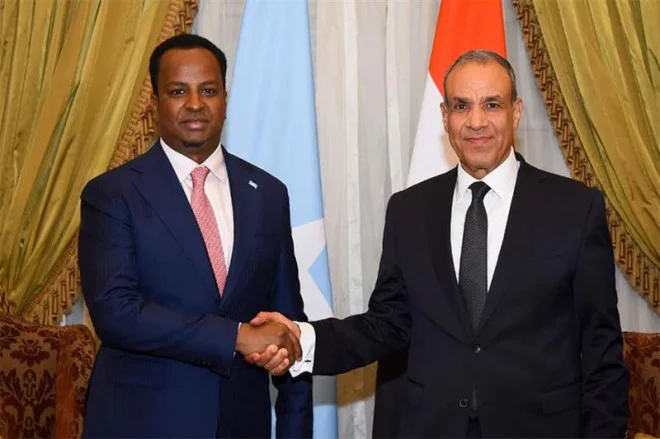
Photo courtesy of Egypt’s Ministry of foreign affairs
Egypt has sharply denounced the self-declared North Western State of Somalia region’s move to open what it called a purported embassy in occupied Jerusalem, describing it as a breach of international law, as Cairo pressed Somalia to step up efforts to free eight abducted Egyptian sailors.
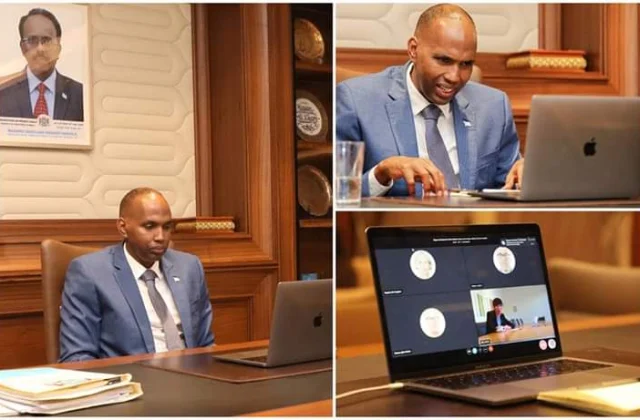
The issues were raised in Cairo on Sunday during a meeting between Egyptian Foreign Minister Badr Abdelatty and Somalia’s Foreign Minister Abdisalam Abdi Ali.
Abdelatty renewed Egypt’s “full support” for Somalia’s unity, sovereignty and territorial integrity, along with the protection of its national institutions, Foreign Ministry spokesman Tamim Khalaf said.
He also restated Cairo’s “categorical rejection of any unilateral measures” that could erode Somalia’s sovereignty or national unity.
Addressing North Western State of Somalia’s purported diplomatic presence in occupied Jerusalem, Abdelatty called the step “illegal and unacceptable,” saying it openly contravenes international law and relevant international resolutions while challenging the city’s legal and historical status.
Egypt’s top diplomat further urged Somali officials to sustain efforts aimed at securing the swift release and safety of the eight Egyptian sailors who were kidnapped, calling for continued active engagement to resolve the case.
The ministers reviewed prospects for wider cooperation as relations between Egypt and Somalia gain momentum, Abdelatty said.
He called for closer work in security, commerce, infrastructure, electricity, renewable energy, pharmaceuticals, agricultural processing and food manufacturing. He also emphasized expanding two-way trade while deepening investment and development partnerships.
Abdelatty reaffirmed Egypt’s support for Somalia’s state-building agenda and for efforts to bolster the capacity of Somali institutions to safeguard security and stability, especially in the fight against terrorism and extremism.
He pointed to training programmes available through Egyptian bodies, including the Egyptian Agency of Partnership for Development and the Cairo International Centre for Conflict Resolution, Peacekeeping and Peacebuilding.
Such programmes, he said, can help train Somali personnel, strengthen national institutions and support security and stability across the country.
The minister also underlined the need for regional and international coordination to combat terrorism and extremism and to sever the sources that support them.
Abdelatty again voiced Cairo’s support for international initiatives promoting security, stability and development in Somalia. He urged international partners to ensure adequate, sustainable financing for the African Union Support and Stabilization Mission in Somalia so it can effectively fulfill its mandate.
Ali, for his part, commended Egypt’s ongoing political, development and security assistance to Somalia, as well as Cairo’s steadfast support for Somali unity, sovereignty and territorial integrity.
He also confirmed Mogadishu’s commitment to maintaining coordination and consultations with Cairo on matters of shared interest.
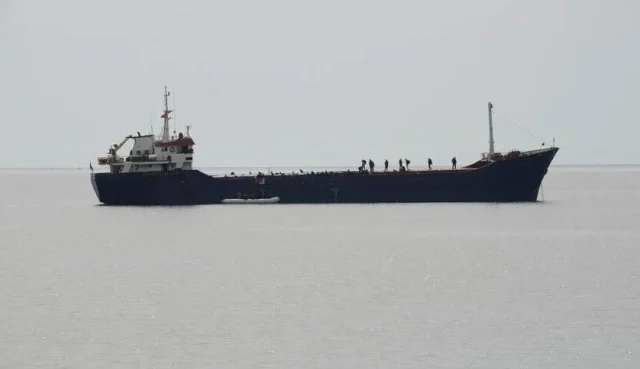
The eight Egyptians were among the 22 crew members aboard the Togo-flagged MT Eureka, which Somali pirates seized on 2 May after it departed Yemeni waters. The vessel, also carrying several Indian sailors, was taken toward Somalia’s Puntland State region and has remained off the Somali coast since the hijacking.
Talks briefly broke down after the pirates reportedly raised their ransom demand. But on 30 June, the Egyptian Marine Officers Union said the vessel owner’s Yemeni partner and the captors had later reached an agreement, putting the case in what it termed a decisive phase dependent on completing the ransom transfer.
The union said the pirates were seeking rapid payment because they feared Somali forces might carry out a limited rescue operation.
It said mediation efforts were continuing through several channels, while pressure was being applied to the shipowner to finalize the necessary procedures without placing the hostages in greater danger.