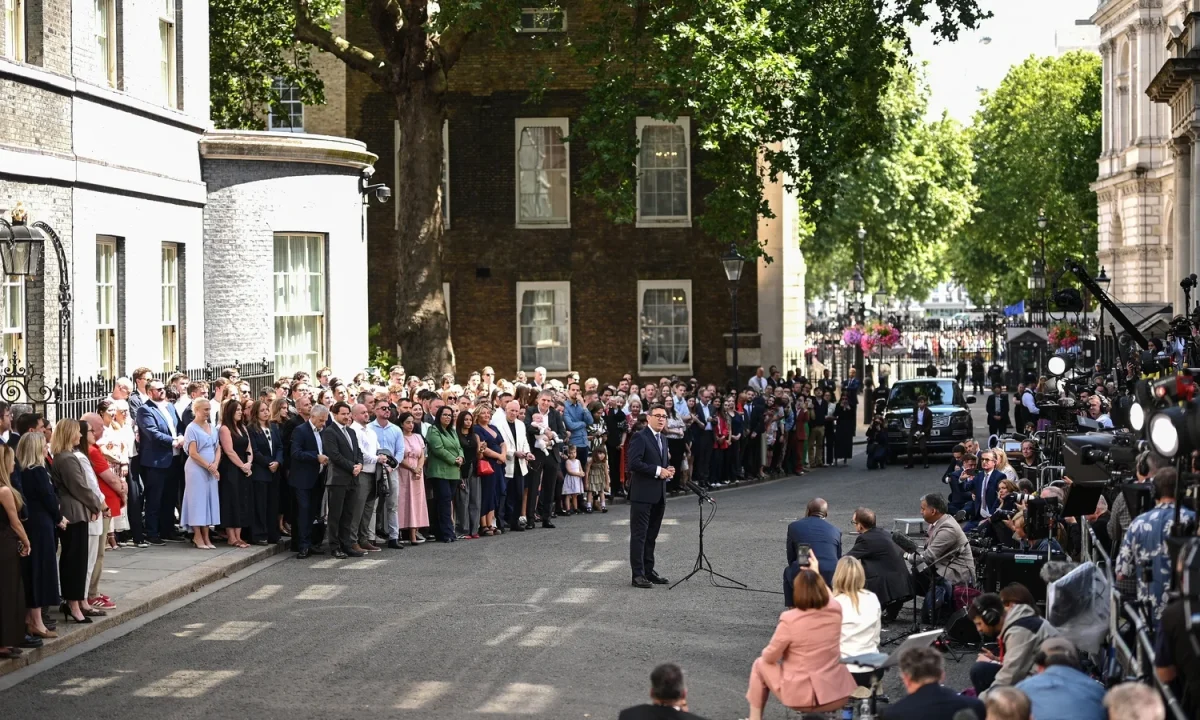
British Prime Minister Andy Burnham will put the cost-of-living crisis at the heart of his new government as he chairs his first cabinet meeting since entering No 10.
Speaking on the steps of Downing Street, he promised swift “breathing space” for households under financial pressure and said further details would be announced later today.
In his first speech as prime minister, Mr Burnham vowed to deliver the most significant transformation of British politics in 40 years, promising “a new political model and a new economic model” for the country.
He began reshaping the government yesterday evening with an extensive cabinet overhaul, appointing John Healey as chancellor in place of Rachel Reeves.
Further changes to senior government posts emerged throughout the evening, with the new ministerial team now preparing to gather around the cabinet table in Downing Street.
John Healey has been appointed chancellor to succeed Rachel Reeves
Louise Haigh, a close Burnham ally who played an instrumental role in his path to No 10, was named First Secretary of State and Chancellor of the Duchy of Lancaster, placing her at the centre of government as a cross-departmental fixer.
Ed Miliband takes over as Foreign Secretary, while Shabana Mahmood remains Home Secretary. Wes Streeting has moved to the Ministry of Defence, and Angela Rayner has returned to government as Housing Secretary.
Chris Bryant, meanwhile, has been appointed as the new Secretary of State for Northern Ireland.
Once the appointments were complete, one notable omission stood out: Mr Burnham had decided against naming a deputy prime minister, a position previously occupied by Ms Rayner and Mr Lammy.
A No 10 source said the cabinet drew together figures from across the Labour Party to carry out Mr Burnham’s programme for the country.
According to the source, ministers with the strongest records of delivery and the greatest experience had been placed in charge of the prime minister’s central domestic priorities.
The source also highlighted the cabinet’s evenly divided make-up – 50% men and 50% women – and said Mr Burnham had increased the number of ethnic minority ministers at the top of government.
As families continue to contend with rising everyday costs, options under consideration include rent controls, help with energy bills and a cap on bus fares.
“We’re looking at measures that could make a difference this year. So we are looking at all of those things, but we’ll make more announcements tomorrow,” Mr Burnham told reporters in Downing Street’s rose garden.
His first day in office was also marked by a rapid series of diplomatic calls as the new prime minister began engaging with international leaders.
Among his earliest conversations were calls with US President Donald Trump and Ukrainian President Volodymyr Zelensky.
Writing on Truth Social, Mr Trump said the pair had held a “very good conversation”, adding: “The Prime Minister has got a big job ahead of him, but he will be able to do it and, of course, the U.S.A. will be there to help! We discussed North Sea Oil, Trade, the Military Alliance, Demining of the Hormuz Strait, and many other topics. The call was interesting, and went very well.”