Israel has refused to pull back from additional parts of southern Lebanon until the Lebanese army demonstrates full control over two initial “pilot zones,” a Lebanese presidential source said after negotiations in Rome.
The seventh round of US-backed talks brought Lebanon and Israel together in an effort to end hostilities between Israel and Hezbollah, which have opened a second front in the wider Middle East war.
The Lebanese source, speaking anonymously, said the discussions had “not yielded definitive results regarding the pilot zones”.
That assessment contrasted with the more positive view from Washington, where a US State Department spokesperson described the talks as “productive”.
The Lebanese army began deploying on 21 July in a southern village whose outskirts remained under Israeli military control and which was designated as one of the first two “pilot zones”. Its forces have also strengthened their presence in the second zone.
“Lebanon is keen to move on to new areas, whereas the Israeli side insists on verifying (the implementation in) the first two zones before proceeding to the next stage,” the Lebanese source said.
The US official said: “The two sides are a lot closer on what needs to be done to advance and expand the pilot zone process.”
The Lebanese source added that the parties had agreed on a “shortlist” of countries that could supervise implementation of the arrangement.
An Israeli official cautioned that extending the plan was “not automatic” and would depend on whether the Israeli government saw tangible results.
“Since the pilot began only about two weeks ago, it is still too early to assess its performance. Therefore, at this stage, there is no immediate expectation that it will be expanded,” the official said.
The pilot zone arrangement represents the first practical test of the framework agreement.
Hezbollah, however, has repeatedly opposed direct negotiations and continues to reject calls to surrender its weapons.
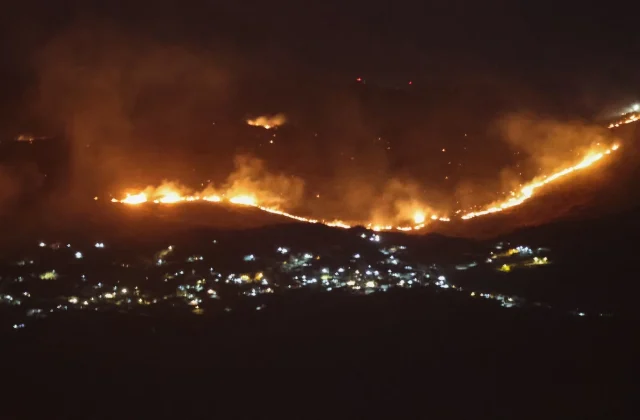
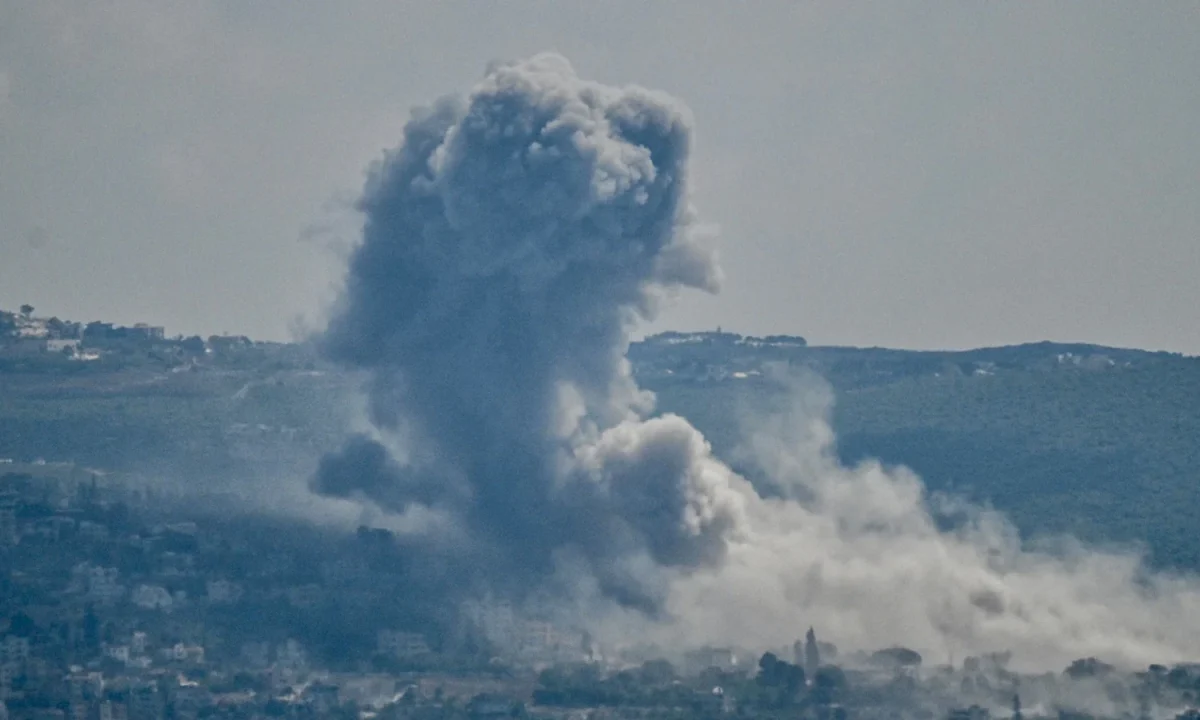
As the talks continued, the Israeli army launched strikes in southern Lebanon, describing them as retaliation for the deaths of two soldiers yesterday in an explosion.
Hezbollah drew Lebanon into the Middle East war in March, firing rockets at Israel in support of its backer, Iran.
Israel answered with intensive air strikes and a ground invasion that Lebanon says have killed more than 4,300 people.
Since the conflict in Lebanon began, Israel’s military has lost 40 soldiers and one civilian contractor.