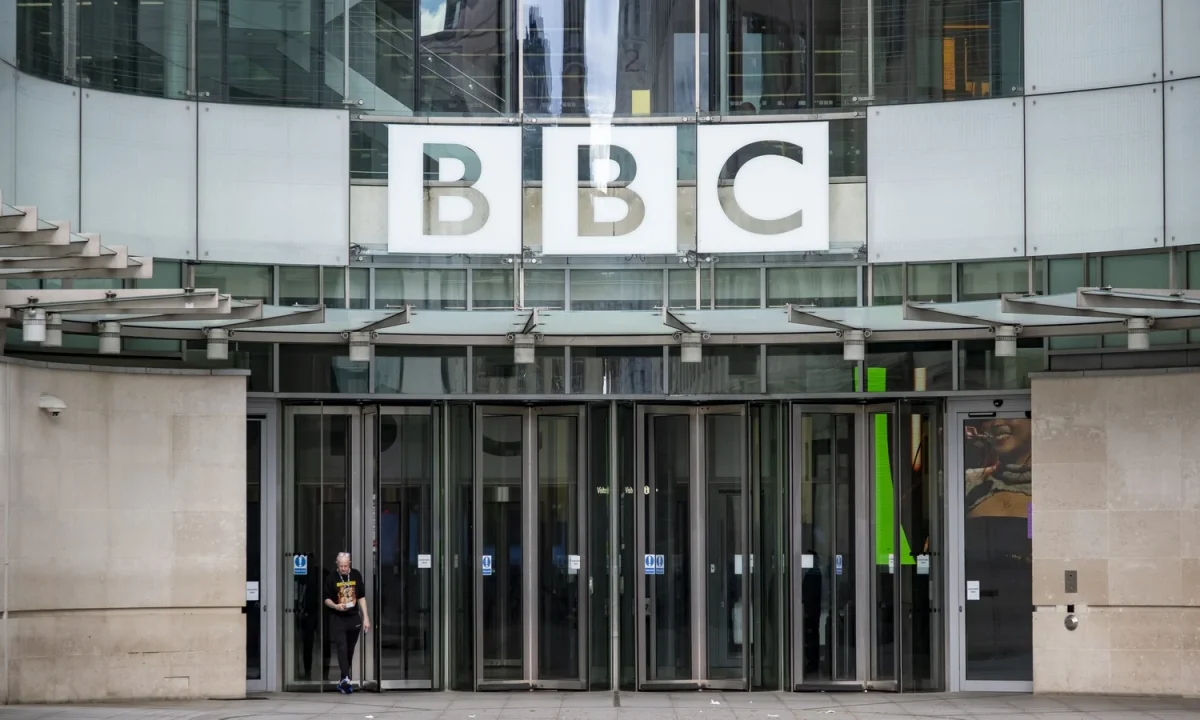
A series of serious BBC “broadcasting errors”, including incidents at Glastonbury and the BAFTA film awards, has damaged confidence in its journalism and public accountability, the corporation’s chair has warned.
During its coverage of the BAFTA film awards in February, the BBC broadcast a racial slur.
The incident occurred as Sinners stars Michael B Jordan and Delroy Lindo presented the special visual effects award, when campaigner John Davidson, who has Tourette’s, could be heard shouting.
Although the ceremony aired on a two-hour delay, the involuntary verbal tic was not removed before broadcast.
Sinners stars Michael B Jordan and Delroy Lindo took the stage to present the BAFTA award for special visual effects
The lapse followed an earlier editing controversy at last year’s Glastonbury Festival, where the BBC was criticised for continuing to livestream punk duo Bob Vylan as they led chants of “death, death to the IDF (Israel Defence Forces)”.
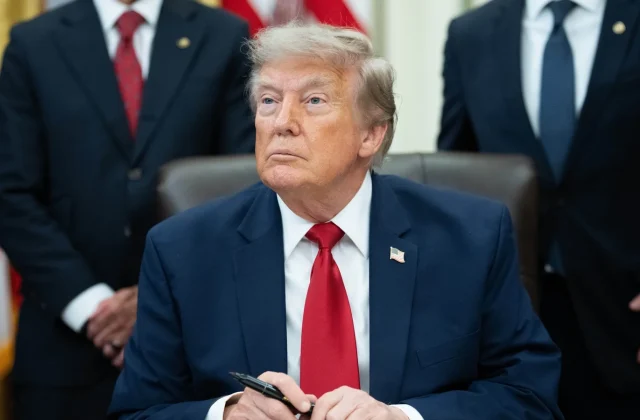
The broadcaster is also facing a lawsuit from US President Donald Trump over a 2024 episode of its documentary series Panorama.
Mr Trump filed a $10 billion lawsuit, alleging the programme created the impression that he had encouraged supporters to storm the Capitol building in 2021 after losing the election to Joe Biden.
Addressing the controversies in the BBC’s annual report, chairman Samir Shah said: “The challenges faced by the BBC over the past year have been significant – from the Panorama edit of President Trump’s speech on 6 January 2021 and the breach of our Editorial Guidelines by Gaza: How To Survive A Warzone, to the serious broadcasting errors at Glastonbury and the BAFTA film awards.
“We know that people care deeply about these mistakes. They affect confidence in our journalism, trust in the BBC as a public institution, and perceptions about how effectively we are held to account.
The board is acutely aware of the standards the BBC must set.
“I am confident that the changes we have now introduced will ensure that swift, appropriate and transparent action is taken to address editorial issues as effectively as possible, whenever they occur.”
A BBC internal review into Gaza: How To Survive A Warzone found that the documentary breached accuracy guidelines because it did not disclose the child narrator’s father’s position within the Hamas-run government.
Current funding model not sustainable
Beyond its editorial difficulties, the BBC used its annual report to warn that the existing funding model cannot sustainably support its public broadcasting mission, pointing to a widening divide between those who use its services and those who pay for them.
The organisation, plunged into crisis last year by allegations of bias that prompted Mr Trump’s legal action, must agree a new funding settlement with the government before the current arrangement ends in 2027.
Possible alternatives include preserving the licence fee paid by television-watching households or shifting towards subscriptions or advertising-funded services.
The report showed that 94% of UK adults use the BBC each month, while only 80% of UK households pay the licence fee.
Director General Matt Brittin, the former Google executive who took up the role in May, described the funding crisis as “a moment of real jeopardy” for both the BBC and the UK, while saying efforts to reinvent the broadcaster were already in progress.
Mr Brittin said the government was right to examine the licence fee’s level and scope, along with how it should be collected in the future.
He added that the government supports BBC discussions with other British broadcasters, including Channel 4, about combining content through a “sovereign media platform”.
Following several high-profile scandals, the BBC said it had made “a significant commitment to improve its culture, processes and standards in recent years”.
Its highest-paid stars included radio presenters Scott Mills, whose annual salary was between £745,000 and £749,999, and Greg James, who received between £440,000 and £449,999 a year.
Political presenter Laura Kuenssberg earned between £405,000 and £409,999.
Mr Mills was dismissed in March following allegations concerning his personal conduct.
Additional reporting: Reuters