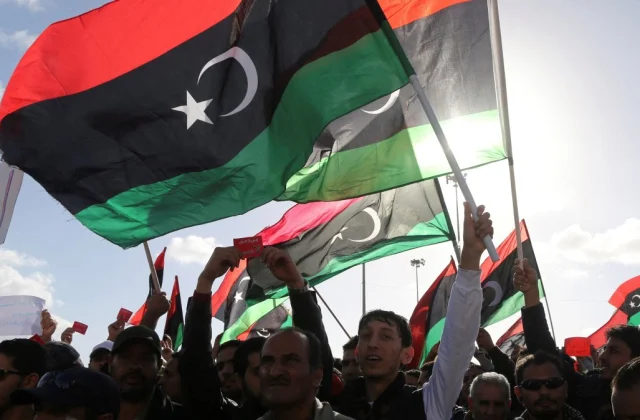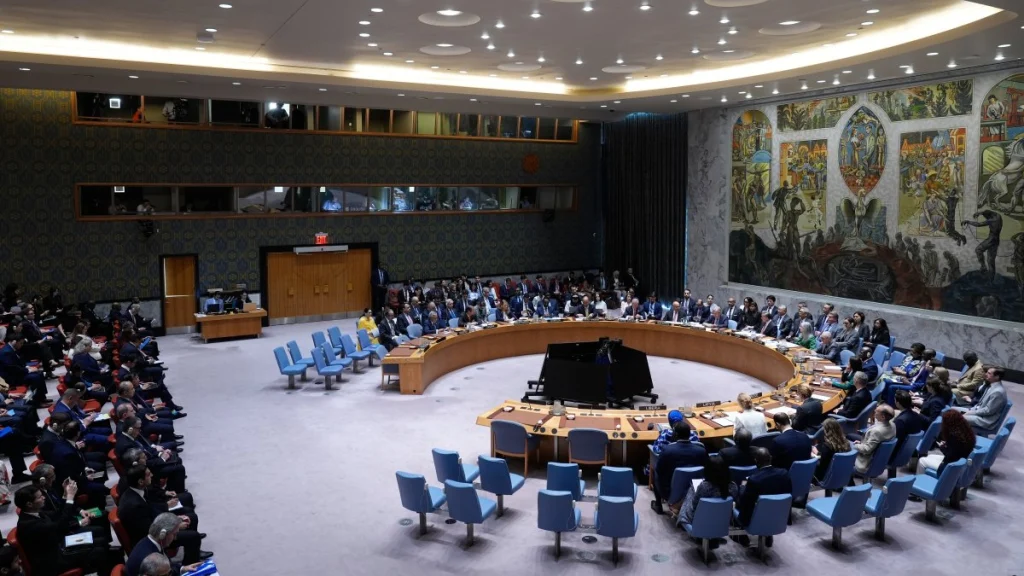
Libya’s rival political camps have secured a U.N.-backed agreement that could open the way to long-delayed national elections within two years, drawing a welcome from the U.N. Security Council on Tuesday.
Signed in Tripoli on Aug. 30, the accord represents a potential breakthrough for the deeply divided, oil-rich North African nation, where competing authorities have struggled to establish a unified political system.
- Advertisement -
Jerome Bonnafont, France’s permanent representative to the United Nations and president of the Security Council this month, described the agreement as “an important step towards delivering free, fair, transparent” national elections. He also said it could help advance “the unification of Libya’s institutions to fulfill the aspirations of the Libyan people.”
Bonnafont emphasized that the deal must receive backing from all Libyan stakeholders. He urged them to cooperate on putting its provisions into effect.
The council also expressed its “full support” for Hanna Tetteh, the special representative of the secretary for Libya, Bonnafont said.
Libya has struggled to rebuild since the chaos that followed the 2011 NATO-backed uprising that ousted longtime leader Moammar Gadhafi. The country remains split between two rival governments.
The U.N.-recognized administration in Tripoli is led by Prime Minister Abdul Hamid Mohammed Dbeibah, while a competing authority in the east is supported by military commander Gen. Khalifa Haftar.
The United Nations unveiled the road map in August 2025. It calls for changes to Libya’s electoral framework, the reunification of its divided executive institutions and a broader political dialogue aimed at resolving the country’s prolonged crisis.