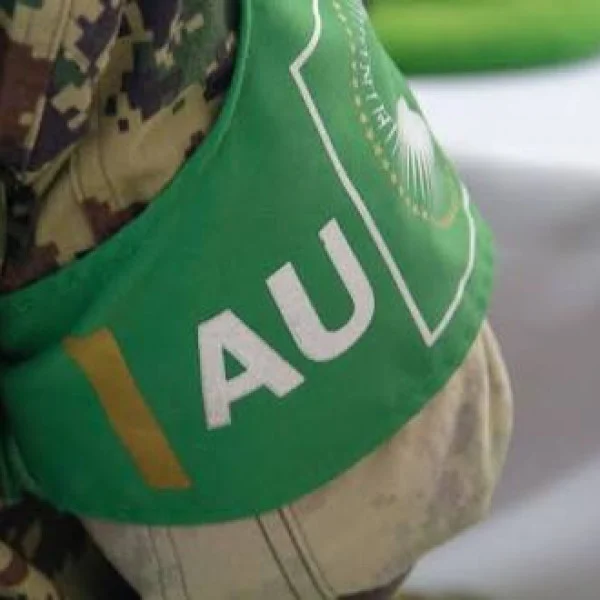
Somalia: Baidoa Crisis Puts AUSSOM’s Political Neutrality Under Pressure
AXADLE, Somalia — A political showdown in Somalia’s South West State is increasingly taking on a military character, forcing the African Union and other international partners to navigate a growing risk: being pulled into a domestic power struggle.
- Advertisement -
A Federal Government-backed administration has taken control in Baidoa after former South West President Abdiaziz Hassan Mohamed Laftagareen was removed from office. His supporters, however, have rejected the new political order.
The confrontation escalated into violence on August 17, when forces loyal to Laftagareen clashed with federal and regional troops in and around Baidoa. The fighting has raised concerns that the political dispute could develop into a broader armed conflict across South West State.
An African Union memorandum dated August 21 and seen by Axadle indicates that the Federal Government requested assistance from the African Union Support and Stabilisation Mission in Somalia, AUSSOM, as the security situation deteriorated.
Addressed to the head of AUSSOM, the memorandum says the African Union Commission is concerned about an alleged expanding relationship between local armed militias and Al-Shabaab. It refers to coordinated attacks on Somali military positions in and around Baidoa.
The document authorises AUSSOM to conduct military operations alongside Federal Government forces against Al-Shabaab and groups it describes as affiliated militias or armed organisations in South West State.
At the same time, the directive draws a firm boundary around the mission’s role.
AUSSOM is told to preserve its political neutrality and impartiality and to “steer clear of any political fighting.”
That warning carries particular significance because the Federal Government and its allies have accused opponents of the new Baidoa administration of working with Al-Shabaab.
Laftagareen has rejected the accusation.
In an interview with the BBC, the former South West president, who was removed from power, dismissed as false claims that forces loyal to him have links to Al-Shabaab.
How those allegations are assessed could shape the extent of AUSSOM’s involvement in the Baidoa crisis.
Although the African Union memorandum permits military action against Al-Shabaab and affiliated armed groups, it does not authorise AUSSOM to confront political opponents of the Federal Government. The explicit order to avoid political fighting reinforces that distinction.
Türkiye also facing pressure
The pressure extends beyond the African Union.
People familiar with the issue told Axadle that Somalia’s Federal Government, whose institutions are operating beyond their previous terms, has been urging Türkiye to help safeguard the administration currently in control of Baidoa.
The sources said Villa Somalia has informed Turkish officials that forces backing Laftagareen have developed ties with Al-Shabaab.
Axadle has not independently verified the allegation. Laftagareen has publicly denied any cooperation with the militant group.
Türkiye has not publicly confirmed that it plans to intervene in the political dispute in South West State.
Ankara is among Somalia’s key security partners, training Somali forces and supplying substantial military support to the Federal Government.
Any Turkish role in Baidoa would raise questions over whether that partnership is being applied exclusively to the fight against Al-Shabaab or might also be used in an internal political confrontation.
A difficult line for foreign partners
The crisis puts Somalia’s international partners in a difficult position.
Al-Shabaab continues to pose an active military threat in and around Baidoa and in other parts of the country. Separately, South West State is facing a political dispute over the authority and legitimacy of its regional leadership.
The central concern is that the two conflicts could become indistinguishable.
If forces on one side of a Somali political dispute are labelled Al-Shabaab affiliates, foreign troops deployed for counterterrorism operations could end up fighting Somali actors aligned with a domestic political cause.
The African Union’s directive suggests that it recognises the danger.
Its August 21 memorandum backs military operations against Al-Shabaab while specifically requiring AUSSOM to remain neutral in political fighting.
Türkiye and other countries providing security assistance to Somalia now face the same challenge.
For these foreign partners, the issue is no longer only whether they will continue helping Somalia combat Al-Shabaab. It is whether they can provide that support without becoming parties to the country’s internal political disputes.
The confrontation in Baidoa could become the first major test of how that boundary is enforced.
AXADLETM