
Somali Deputy Prime Minister Gives Up Kenyan Passport Amid Border Security Dispute
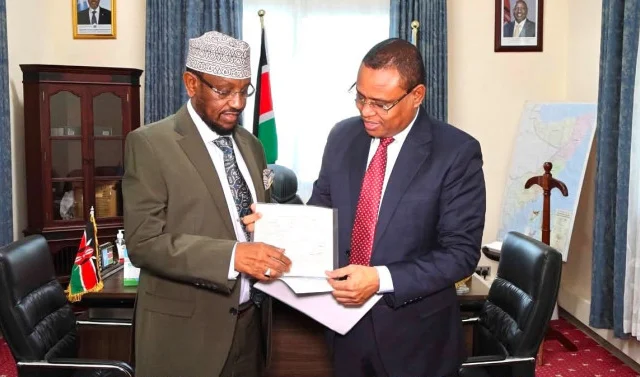
MOGADISHU, Aug. 3 — Somalia’s Deputy Prime Minister Jibril Abdirashid Haji said Monday that he had voluntarily returned his Kenyan passport, presenting the decision as a measure to reinforce transparency and accountability in public office.
Jibril said in a statement that Kenyan authorities had issued the passport legally and that he had used it in accordance with the law while it was in his possession.
He said the decision was neither the result of a dispute nor a request from the Kenyan government. Instead, he described it as a personal step reflecting his responsibilities as a senior official in Somalia’s federal government.
“This step reflects my commitment to protecting the integrity of the office I hold and my loyalty to the Federal Republic of Somalia,” he said.
The deputy prime minister expressed gratitude to Kenya’s government and people for their longstanding hospitality and support for Somalis. He said he valued the ties between the neighbouring countries and would continue working to deepen bilateral cooperation.
His announcement follows an incident in June, when he was stopped and refused entry at Nairobi’s Jomo Kenyatta International Airport after Kenyan authorities reportedly accused him of obtaining the passport improperly.
Jibril rejected the allegation at the time, maintaining that the document had been issued under Kenyan law.
The airport incident came amid claims that the deputy prime minister had helped transfer weapons into Kenya, allegedly fueling insecurity and tensions in border areas. Kenyan authorities’ decision to send him back was linked to those claims, which Jibril has denied.
The passport’s return also follows reports that Somali President Hassan Sheikh Mohamud recently directed cabinet members who hold Kenyan passports to surrender them within a specified period and decide whether to retain the foreign nationality document or remain in government.
Kenya and Somalia have a longstanding but complicated relationship. The neighbours cooperate on security, trade and regional stability, while periodically facing tensions over border security and political matters.
AXADLETM